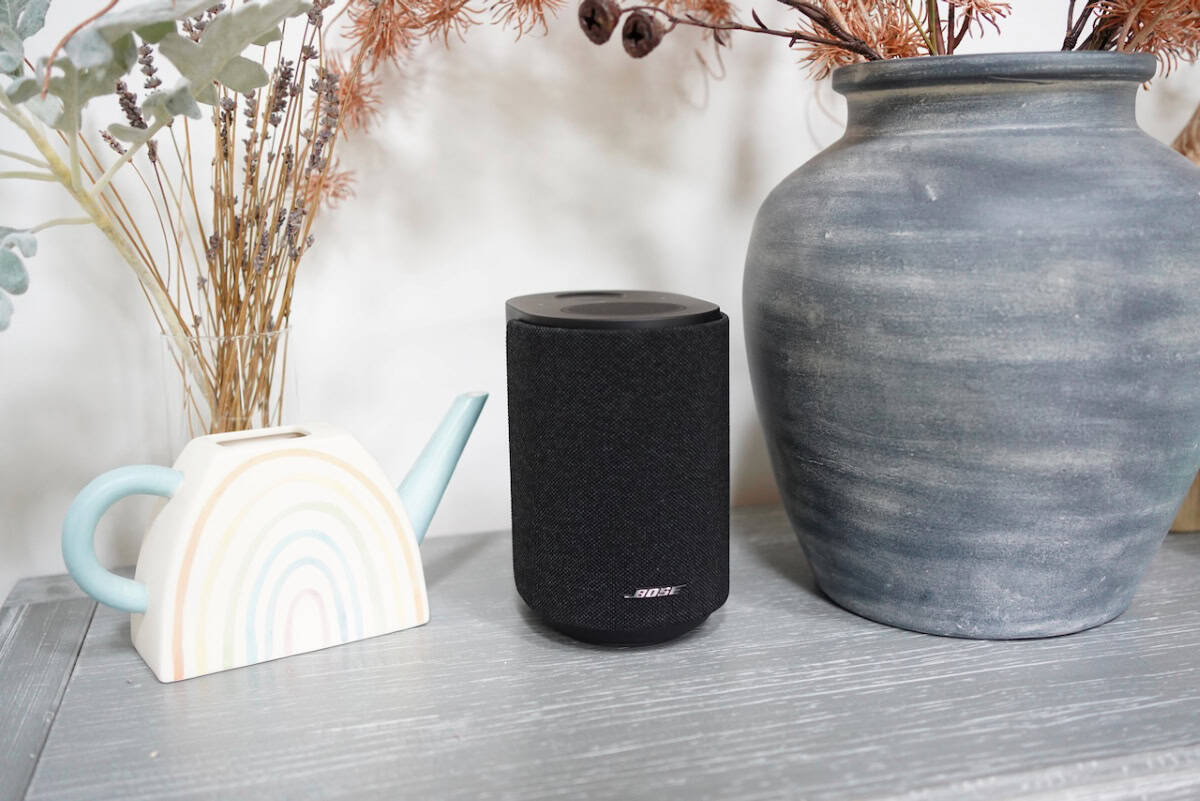
Bose has been around forever, and between its headphones, Bluetooth speakers, soundbars, and home theater systems, it has made an iconic for itself in consumer audio. But with the new Lifestyle lineup, Bose seems to be going after something more Sonos-like: a flexible home audio ecosystem you can build over time.
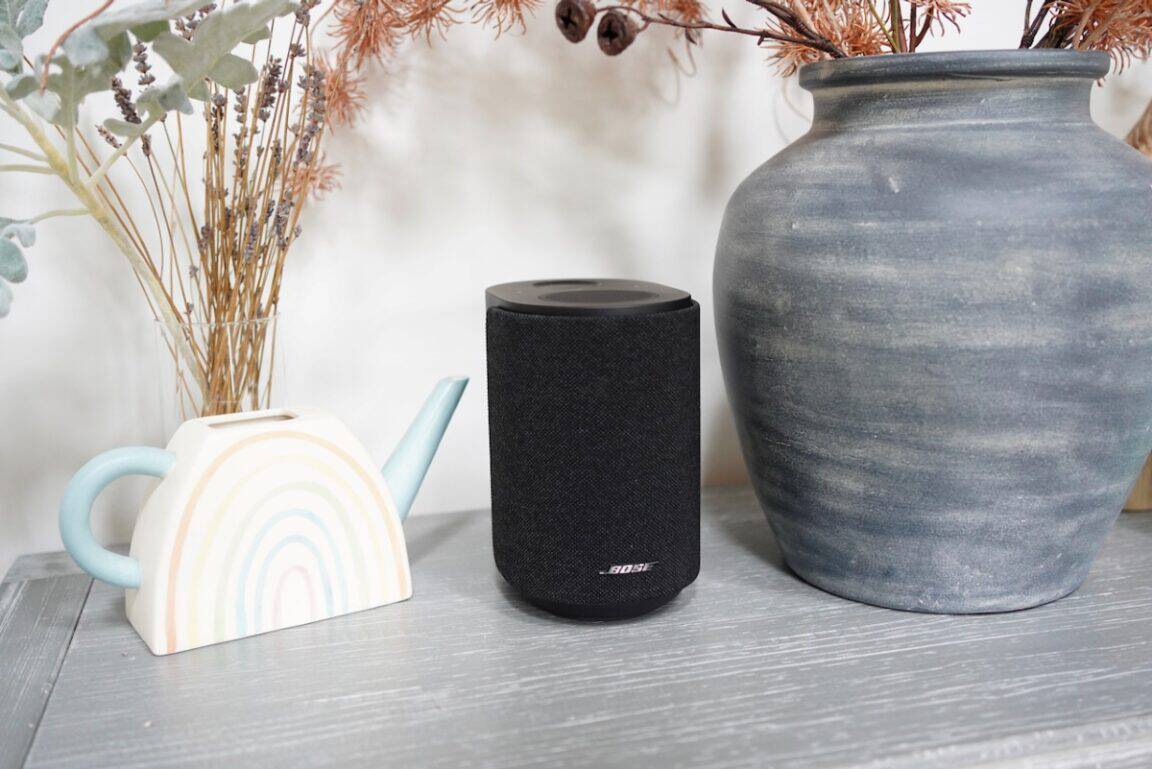
We reviewed the Bose Lifestyle Ultra Speaker, a compact Wi-Fi speaker that works with AirPlay, Spotify Connect, Google Cast, Alexa, and Bose’s broader Lifestyle system. It looks portable, but it is not. It is tethered to the wall, and the upside is that it sounds more powerful, fuller, and more substantial than a typical battery-powered speaker this size.
Bose Lifestyle and the Ultra Speaker
Bose has used the Lifestyle name before, mostly for premium home theater systems that were designed to be simple, clean, and living-room friendly. The new Lifestyle lineup brings that idea into a more modern connected-audio system. Right now, it includes the Lifestyle Ultra Speaker, Ultra Soundbar, and Ultra Subwoofer.
The Ultra Speaker works as either a standalone Wi-Fi speaker, part of a stereo pair, a multi-room speaker, or as wireless read surround sound speakers for the Lifestyle Ultra Soundbar.
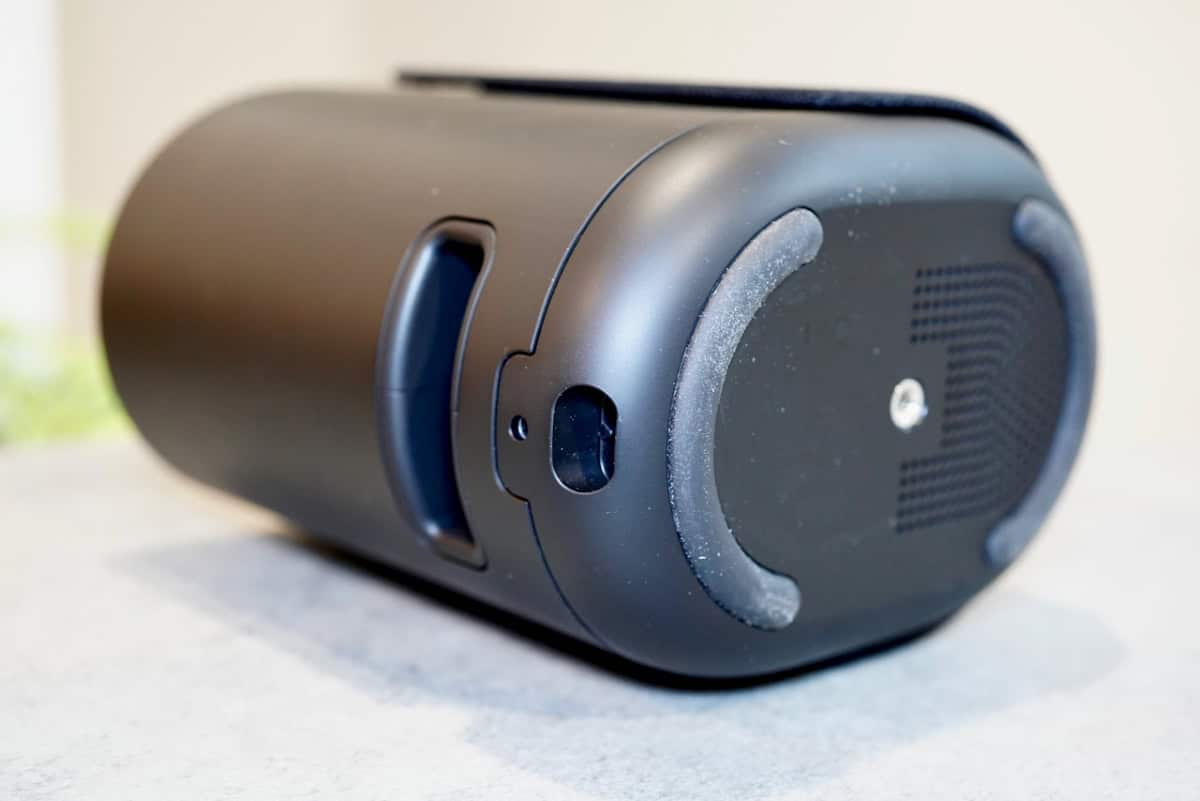
The Ultra Speaker itself is a compact powered home speaker, not a portable one. It weighs 3.66 pounds, stands about 7 inches tall, and uses a three-driver design: two front-facing drivers and one up-firing driver.
Bose says the speaker uses a modern version of its Direct/Reflecting speaker approach to project sound toward the ceiling and walls, helping create a broader soundstage from a single speaker. It also uses TrueSpatial Technology for added height and dimensional depth, plus CleanBass Technology for more controlled low-end output from a compact design.
Connectivity is one of the strongest parts of the speaker. It supports AirPlay, Spotify Connect, Google Cast, Bluetooth 5.3, Wi-Fi, aux, and Alexa. That makes it easy to integrate into a home, especially compared with a normal Bluetooth speaker.
Bluetooth is there when you need it, but Wi-Fi is the better experience. Once the speaker is on your network, it shows up natively from an iPhone, in Spotify, and from Google Cast-compatible apps.
Alexa was the bigger surprise. The Ultra Speaker can be configured as a fully functional Alexa speaker, with a built-in microphone and a physical mic mute button. There is no Siri, Google Assistant, or Gemini built in, but those ecosystems can still see and stream to the speaker through AirPlay or Google Cast.
So while this is not exactly a Sonos clone, it is clearly Bose’s attempt at a more flexible, modular, whole-home speaker system.
Ultra performance and impressions
The first thing I noticed about the Lifestyle Ultra Speaker is how much it looks like it could be a portable battery-powered speaker, but instead requires a power cable. This is not necessarily a problem for a home speaker, but the form factor suggests it should be easy to move casually around the house. A USB-C power option would have made that feel a little more natural.
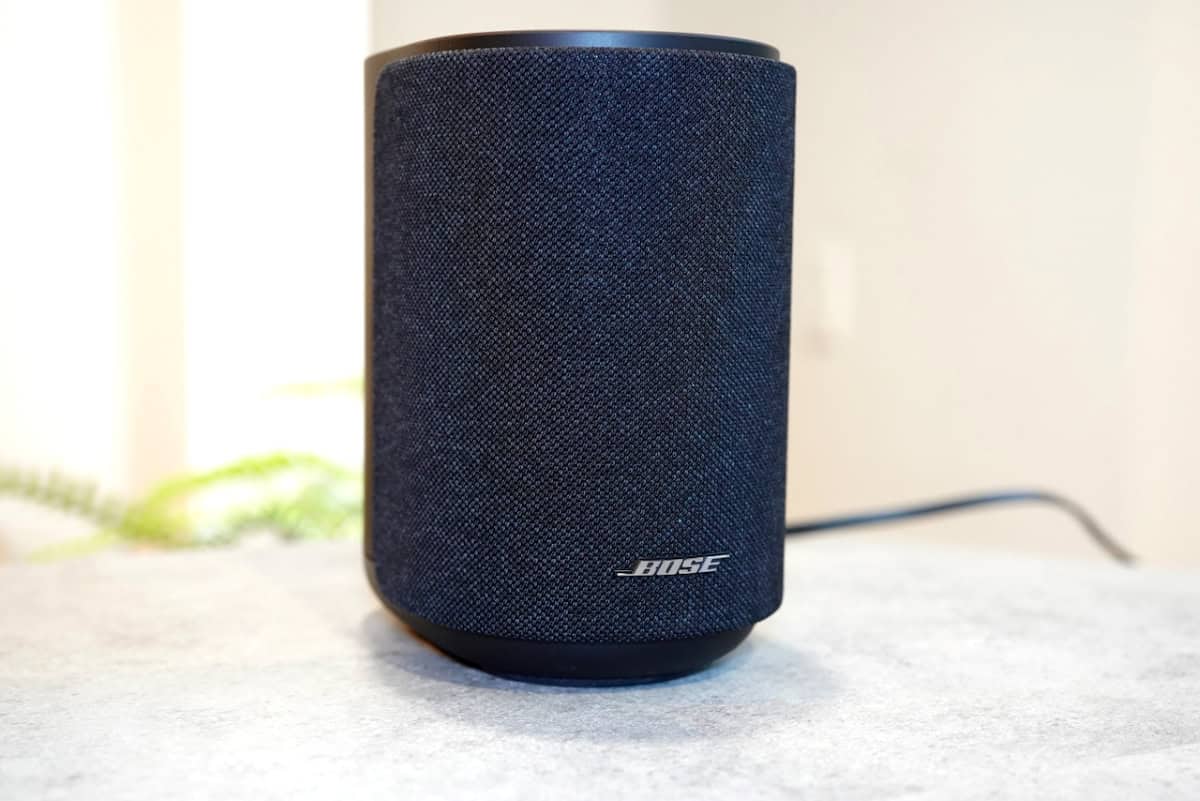
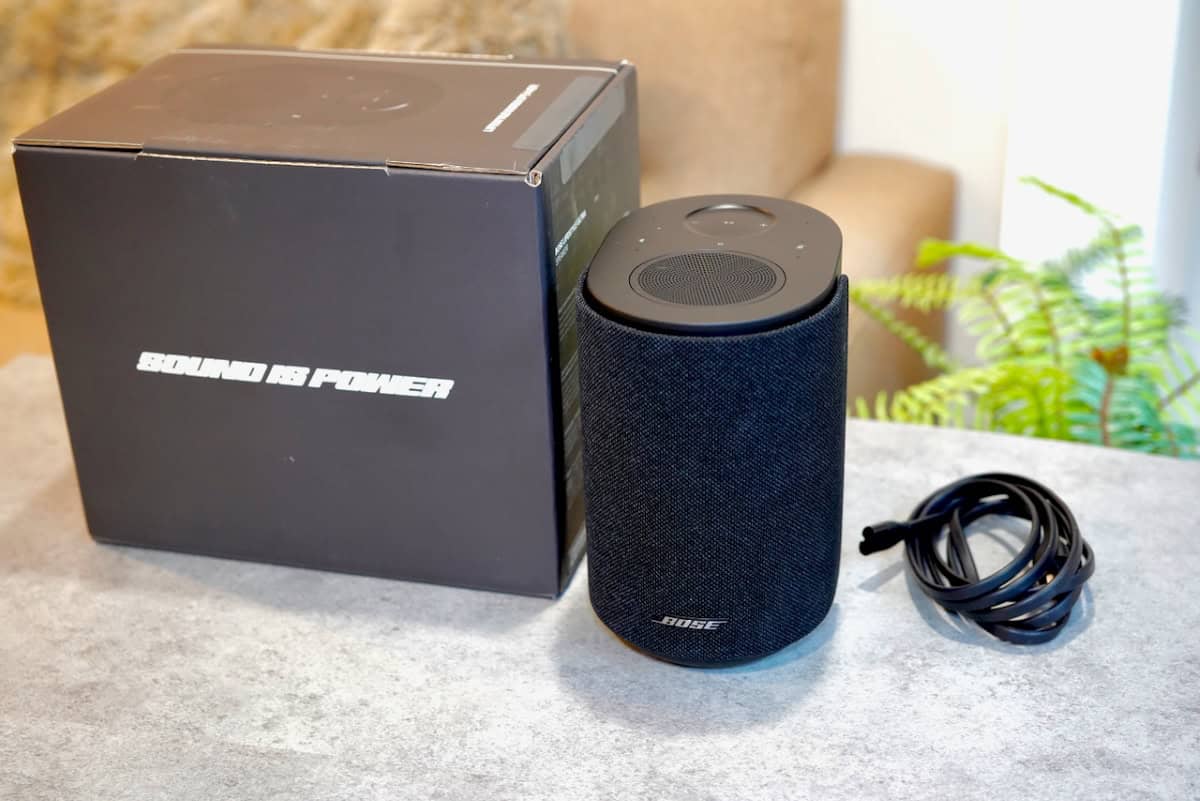
The speaker itself looks and feels premium, and also very Bose-like, with a more traditional and timeless speaker appearance. It is heavier and more substantial than it looks, and the finish is clean in the way you would expect from Bose.
The soft matte texture can pick up fingerprints, but the overall design is simple and easy to fit into a room. I also like how the front grille sort of floats around the speaker instead of looking like a flat panel stuck on the front.
Setup was mostly easy. The Bose app found the speaker and got it onto Wi-Fi without much trouble. The only issue I had was that the speaker became unresponsive at one point, and I had to reset it, or at least reset the Wi-Fi, before it started working correctly again. That is where the experience started to feel less polished.
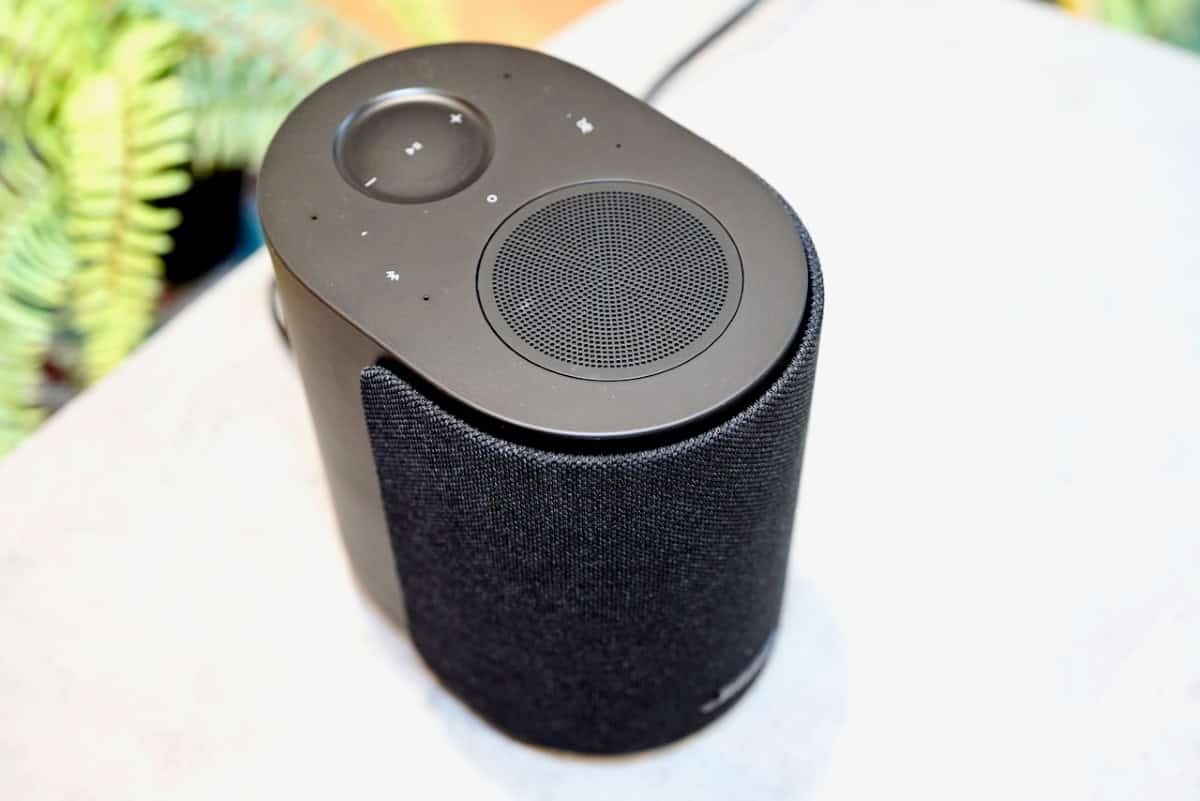
My biggest complaint is the touch controls. They look clean, but they are not satisfying to use. There is no real tactile feedback, no vibration, and not enough obvious confirmation that your input registered. The small LED on the front helps a little, but it also means you are touching controls on the top while looking at the front to figure out what is happening.
The volume control is especially unintuitive because you swipe around the top circle instead of pressing normal volume buttons. I thought the volume buttons were broken at first. Track skipping is handled through double and triple taps on the play button, and switching to aux requires pressing and holding play.
It works, but it does not feel obvious or premium. Thankfully, you may not need the buttons much in everyday use, since most functionality can be controlled from Alexa, Spotify, AirPlay, Google Cast, or the Bose app.
The Bose app is also more functional than impressive. You can change sources, configure Alexa, enable Google Cast, set the standby timer, pair another speaker, and adjust basic EQ settings for bass, mids, treble, and height. That is about it. There is not much personalization, and I would have liked the ability to do more troubleshooting from the app, including resetting the speaker.
Most importantly, the actual audio quality is very strong. The Lifestyle Ultra Speaker sounds much bigger and more substantial than its size suggests. There is real low-end weight here. Not just “good bass for a small speaker,” but actual punch and body that you can feel in the room. Vocals are clear, the speaker has a nice sense of fullness, and it sounds way more like a compact home speaker than a portable Bluetooth speaker.
While one speaker fills the room, it also made me want a second speaker almost immediately. Not because one sounds bad, but because the sound quality feels like it deserves proper stereo separation.
With one speaker, the sound is big and full, but you can still tell where it is coming from. A second speaker would give the room a wider stereo image, better left-right separation, and a more balanced music-listening experience.
If you are starting with this as a single speaker, the strongest use case may be using it as a premium Alexa speaker. It was surprisingly quick to respond to the Alexa wake word, and it sounds far better than what I usually expect from a small smart speaker. My kids loved using it too. I do not know if this is officially the best-sounding Alexa speaker out there, but it has to be up there.
Our favorite thing about this speaker is how versatile and compatible it is. It is effortless to stream music to it regardless of the device or app you are using. Once it is on your network, it is available to everyone in the house through the services they already use.
The only catch is that it is really designed as a wireless home speaker, not a do-everything wired speaker. It has aux, but it is not meant to be a simple TV speaker replacement unless you are using it as part of Bose’s larger Lifestyle soundbar setup.
Final thoughts
Bose pricing the Lifestyle Ultra Speaker at $299 is far from a surprise given the brand, category, sound quality, and broad compatibility. The Sonos Era 100 is the obvious comparison and is cheaper, so Bose’s advantage is not basic Wi-Fi streaming or AirPlay support.
It is the combination of Google Cast, built-in aux, Alexa+ readiness, the up-firing driver, and a more platform-flexible approach that does not feel quite as tied to one ecosystem. As a single speaker, the Lifestyle Ultra makes the most sense as a premium Alexa and Wi-Fi speaker with broad compatibility, fantastic sound, and enough output to fill a room.
This could be an approachable way to build whole-home audio over time, especially compared with a wired speaker setup. From experience, you may quickly want to upgrade from one of these Ultra speakers to two for true stereo separation.
The audio quality is so rich and full that a pair of these small speakers could be preferred to much larger ones, but the catch is that you can’t natively use these with your TV unless you want to listen to just one, or have them set up as rear satellite speakers with the Bose soundbar.
There’s currently a two-speaker set available on Amazon, which would save you $50. You can also buy them individually in black or white for $299 each, or there’s a Driftwood Sand version available at Bose for a $50 premium, which looks nice but feels unnecessary.
The Lifestyle Ultra Speaker is not cheap and not perfect, but it is a strong start and one of the more interesting Bose products in a while.