
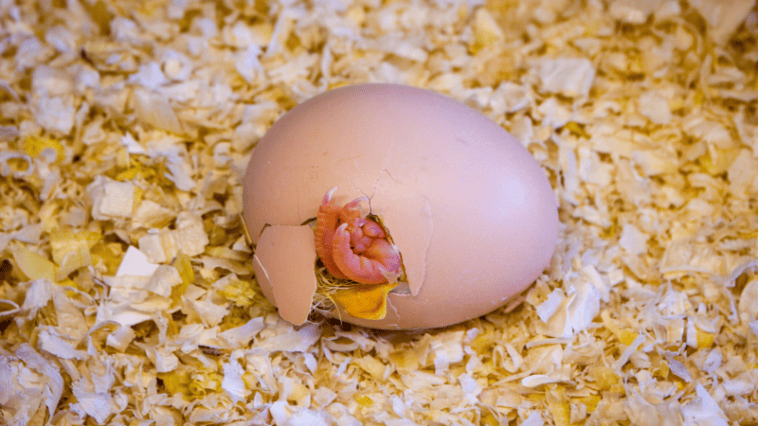
A Texas company has hatched live baby chickens from 3D-printed artificial eggs with titanium lattice shells and bio-engineered silicone membranes. It’s never been done like this before, and it could be a big deal for bringing extinct birds back from the dead.
The breakthrough comes from Colossal Biosciences, the Texas-based company that’s also been working to revive the woolly mammoth and the dire wolf. CEO Ben Lamm told the New York Post that 26 healthy chicks hatched from the artificial eggs, and that they’ll spend the rest of their lives at the company’s avian facility.
How Colossal engineered a better artificial egg
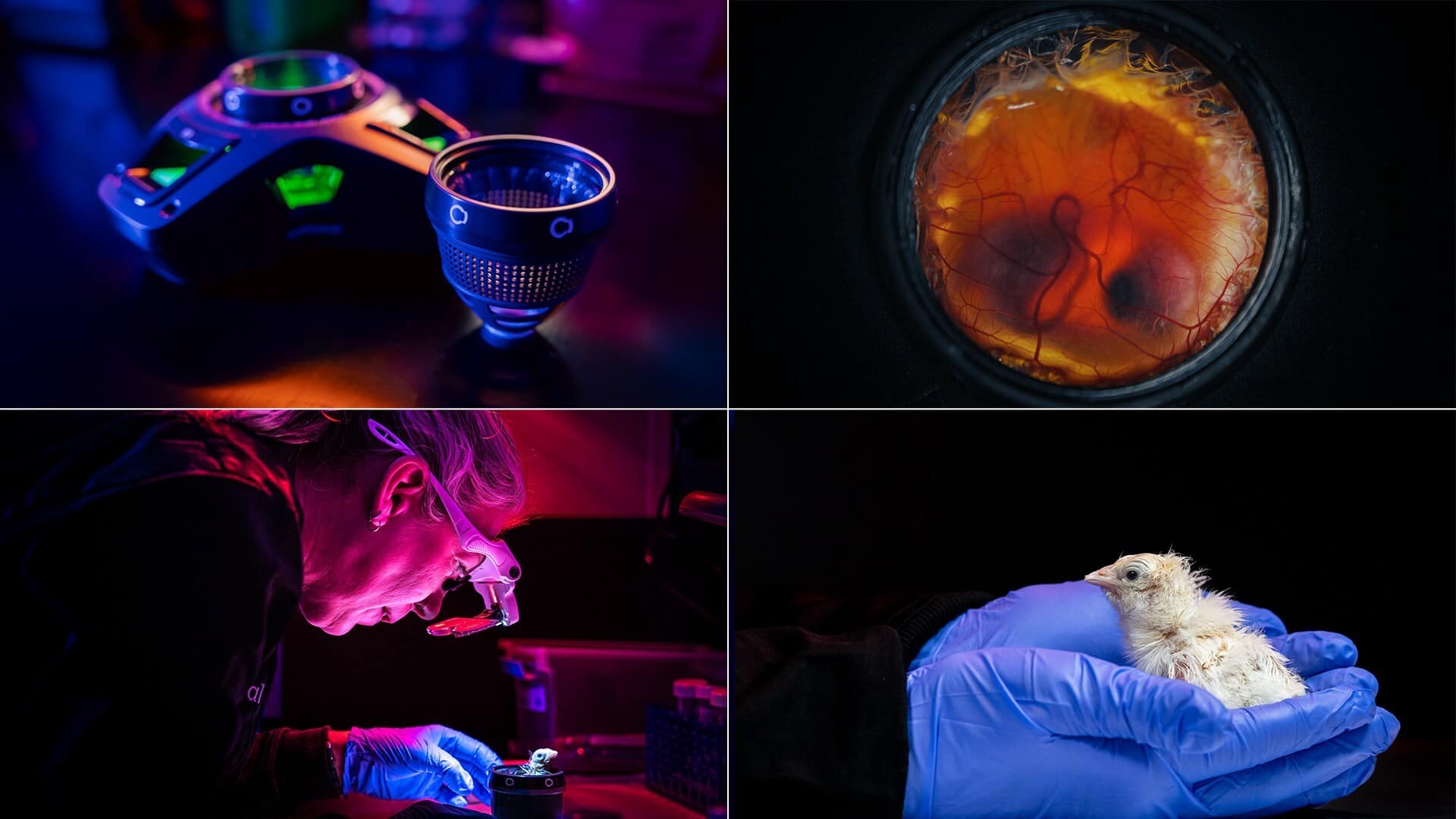
Birds lack the surrogate options available to mammals. Mammoths, for instance, can be carried by elephants and dire wolves by dogs, but no living bird could incubate the enormous egg of a moa, a species that once stood 13 feet tall, weighed about 500 pounds, and produced eggs about eight times larger than an emu’s.
So the company built a workaround by developing a fully artificial egg with a 3D printed titanium outer shell in a lattice pattern lined with a bio-engineered silicone membrane inside. This membrane moves oxygen the way a real eggshell does, but Colossal says it does so faster than a chicken egg would.
What makes this breakthrough notable is the failed history behind it. Back in the 80s, the same idea didn’t pan out for one reason. Keeping embryos alive without a real shell meant force-feeding them oxygen, and the embryos came out with damaged DNA. Health problems followed the animals around for life. With the new membrane, nobody has to force the oxygen in.
From failed past to de-extinction future
The team put the artificial eggs to the test by loading them with chicken embryos while monitoring their growth through a portal at the top of the shells. When the chicks were ready to hatch, they pecked and tapped against the artificial surface, just as they would a real eggshell.
The eggs, being reusable, fit into commercial incubators without modification. They can also be sized up or down depending on the species, including the large dimensions of extinct birds like the moa.
“The avian reproductive toolkit has lagged behind mammalian systems for decades because birds present unique developmental challenges. The artificial egg changes that,” said Dr. Beth Shapiro, Colossal’s chief science officer, in a statement.
The moa project is a collaboration between Colossal and the Ngāi Tahu Research Centre, a Māori cultural and academic group in New Zealand. Lord of the Rings director Peter Jackson, an investor in Colossal, has thrown his support behind the project, calling its goal the protection of “some of the most critically endangered species in Aotearoa/New Zealand” for future generations.
If the team pulls it off, the moa won’t be living in a zoo or some kind of theme park. The plan is to release it back into the wild in New Zealand.
Future plans
Lamm projects that the moa could be revived by the early or mid 2030s, while the dodo may return even sooner. In 2025, Colossal made key progress by successfully growing pigeon primordial germ cells, the precursors to sperm and eggs. According to Lamm, this puts the dodo’s return within four or five years.
The team plans to run more tests on emu or ostrich eggs before attempting moa. Once that’s complete, Lamm said, the workflow itself becomes the real asset. Each species the team revives will build on the last, as the team won’t have to start from scratch every time.
The moa disappeared from New Zealand about 600 years ago, hunted to extinction by Māori settlers. Lamm hopes the new technology will reframe perceptions of biotechnology, showing how it can be used to reverse past extinctions and support conservation efforts.
Sources: PR Newswire, NYP, Colossal