
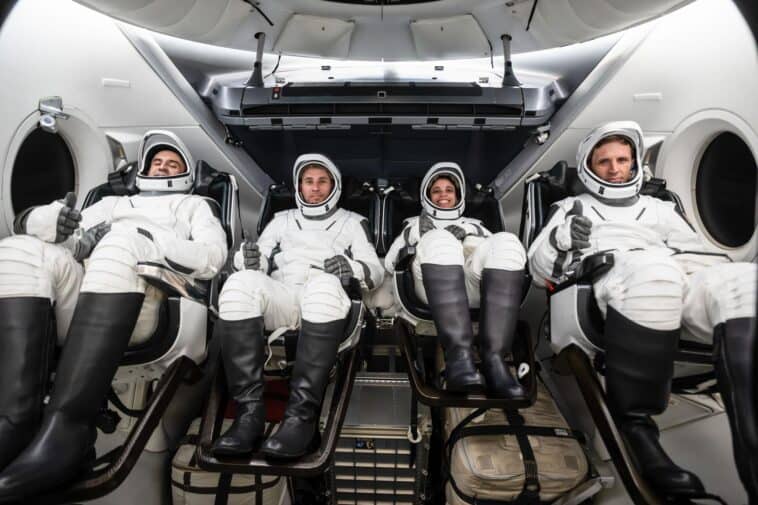
Traveling to the International Space Station (ISS) used to mean spending days strapped inside a tiny capsule, waiting through orbit after orbit to finally align with the floating laboratory. But thanks to a bit of luck, careful planning and razor-sharp timing, four NASA astronauts just made the journey in record time. The journey set a brand-new speed record for an American crewed spaceflight.
The ultimate orbital express ride
The record-breaking journey kicked off when SpaceX’s Crew-13 mission launched from Cape Canaveral Space Force Station aboard a Falcon 9 rocket. Riding inside the SpaceX Dragon capsule (named Grace), the four-person international crew reached their destination in a blistering 7 hours and 55 minutes.
The less than 8-hour journey made this the fastest launch-to-docking transit for any American spacecraft in the history of the International Space Station.
The crew made contact and soft capture at the station’s Harmony module forward port at 7:05 p.m. EDT, followed by hard capture to firmly secure the capsule to the orbiting outpost. After completing routine leak and pressurization checks, the crew opened the hatch at 9:19 p.m. EDT and floated aboard to a warm welcome.
Meet the record-breaking crew
The four spacefarers who just completed the ultimate express flight include a diverse mix of international talent embarking on a six-month scientific expedition:
- Jessica Watkins (Commander): Watkins is a NASA astronaut who not only led the record-breaking mission, but also made history as the first Black woman to command a space station crew.
- Luke Delaney (Pilot): NASA astronaut helping guide the Dragon capsule into orbit.
Joshua Kutryk (Mission Specialist): Canadian Space Agency (CSA) astronaut bringing the Canadian flag back to the station. - Sergey Teteryatnikov (Mission Specialist): Roscosmos cosmonaut joining the international crew.
Upon arrival, the team was welcomed by the seven members of Expedition 75 already living on the station. The arrival briefly boosted the orbital facility’s total population to 11. Crew-13 is stepping in to relieve the Crew-12 team, who are wrapping up an extended eight-month stay and preparing to head home.
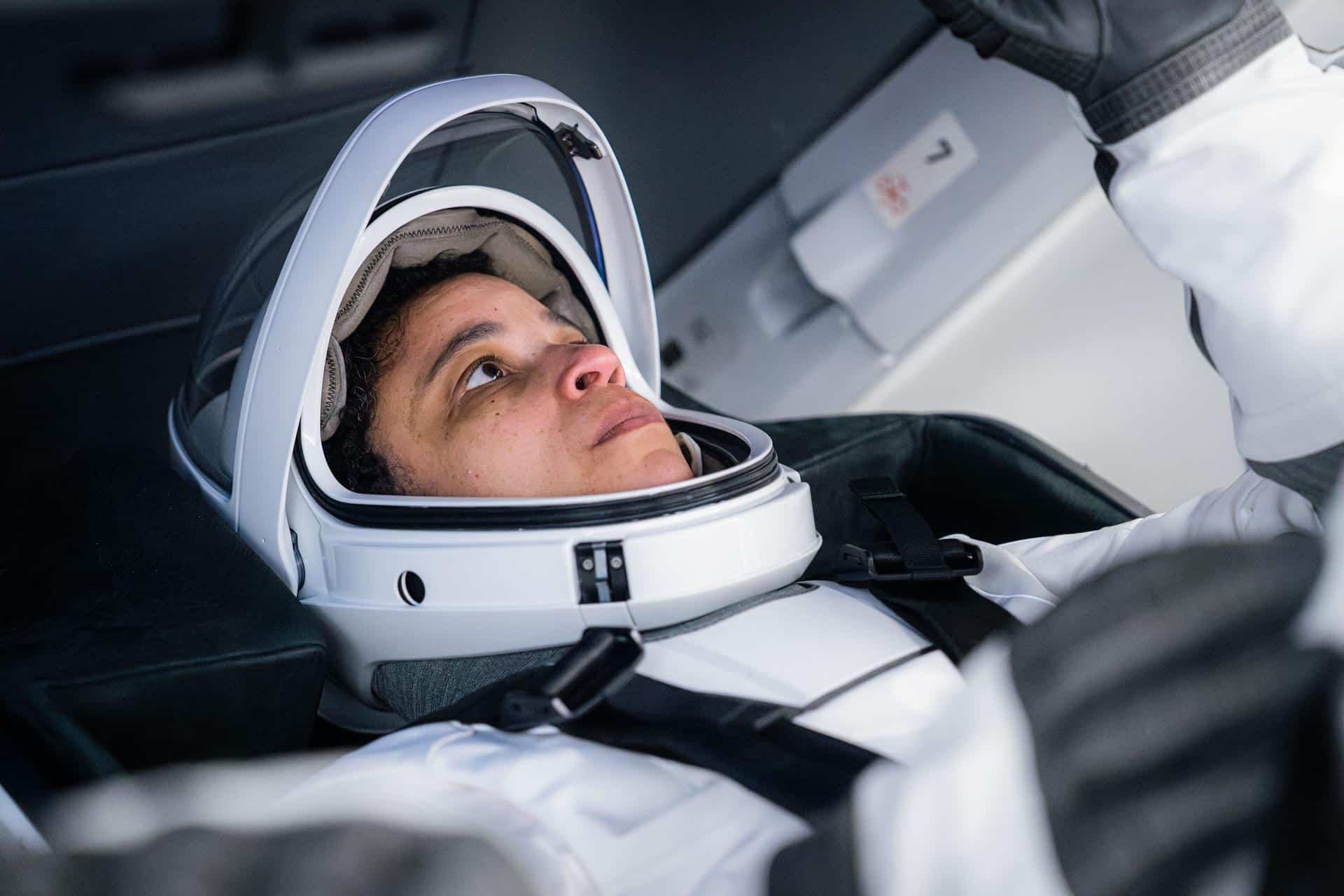
How did they pull off an 8-hour sprint?
While modern spacecraft are capable of fast rendezvous, pulling off a 7-hour and 55-minute arrival requires careful planning and a bit of luck that created the near-perfect alignment.
Mission planners attributed the record-setting run to the space station’s optimal orbital position right at the moment of liftoff. When the Falcon 9 launched, the ISS was traveling at roughly 17,500 miles per hour about 263 miles above Earth, positioned just northwest of Havana, Cuba. That ideal geometry allowed Grace to execute a direct, ultra-efficient orbital trajectory without having to spend extra laps chasing down the station.
“We got lucky this time,” said Julianna Scheiman, director of NASA science and Dragon programs at SpaceX. “The space station was in an opportune spot in space, and the orbital mechanics, the physics of it all, worked out for it to be the shortest launch-to-docking time we’ve had to date. This is close to the fastest it could be.”
One can say the mission deserved the luck and perfect timing following an unfortunate incident that initially caused a three-week delay. The incident, a minor fuel system leak on the Dragon capsule, threw a spanner in the works for NASA and SpaceX.
The Russians still hold the overall record
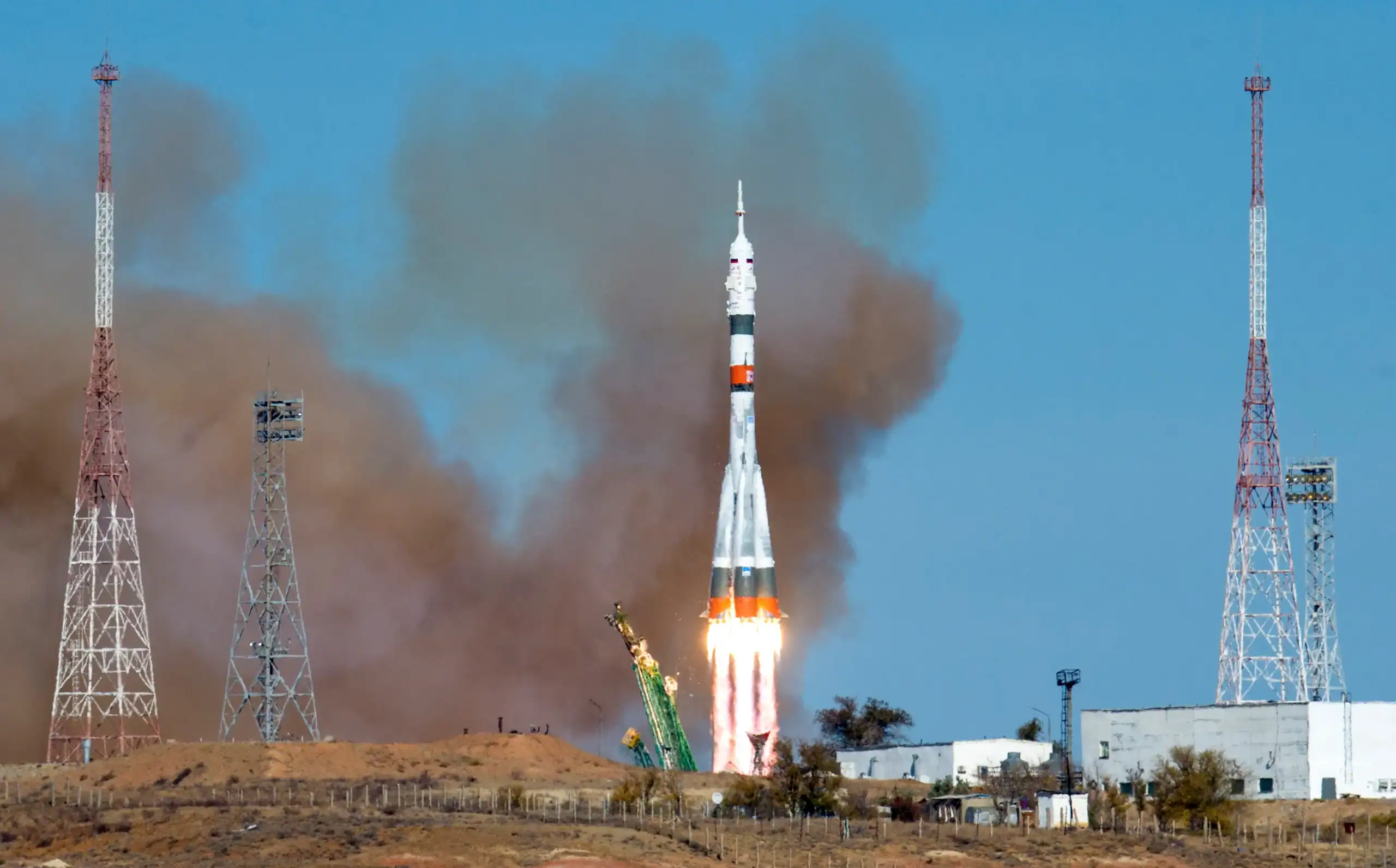
Despite the slice of luck, the Crew-13 mission did not break the record for the quickest craft to space. That record belongs to a Russian Soyuz spacecraft carrying three astronauts to the ISS. The Russian space craft reached the orbiting lab in just three hours and three minutes after lifting off from Baikonur Cosmodrome in Kazakhstan. The Soyuz caught up to the ISS after circling the Earth twice.
Science and teamwork in low Earth orbit
Now that they’ve safely arrived, the Crew-13 team is diving straight into a busy six-month stay packed with technology demonstrations and scientific experiments. From biology to materials science, the crew will spend their time on the ISS conducting experiments. These experiments are designed to prepare humanity for longer journeys deeper into the solar system.
As Canadian astronaut Joshua Kutryk summed it up during the welcome ceremony: “It feels really good to have CSA back. The Canada flag back.”
Sources: New York Post, Space.com, Space Q