
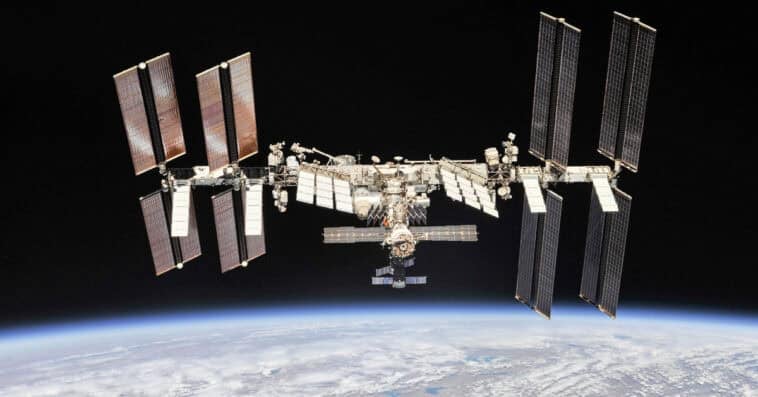
NASA thought the problem was finally under control — but the International Space Station (ISS) is once again losing air, raising fresh concerns about the aging orbiting laboratory. After earlier repair efforts appeared to stop the mysterious leak, new signs of pressure loss have left engineers scrambling for answers as astronauts continue living hundreds of miles above Earth. With questions mounting over what caused the leak to return and how serious the situation could become, the latest setback is shining a spotlight on the hidden risks of keeping a decades-old space station operational.
The battle to seal the PrK module
For more than five years, engineers from NASA and Roscosmos have been playing a high-stakes game of hide-and-seek with a persistent air leak on the ISS. The culprit? Microscopic cracks hidden inside a small Russian transfer tunnel called the PrK module, which connects to a docking port on the Zvezda service module. Because these fractures are so tiny, finding and fixing them has proven to be an ongoing nightmare for ground teams.
Back in January, it looked like the space agencies had finally won the battle. NASA announced that after numerous inspections and fresh coats of sealant, the air pressure inside the module had reached a “stable configuration.” The space community collectively breathed a sigh of relief — after all, losing breathable air into the vacuum of space is a problem you want solved as quickly as possible.
But that relief was short-lived. NASA confirmed on Thursday, May 21, that the fix didn’t hold, and the aging Russian segment is once again leaking atmosphere into space.
Three weeks ago, the pressure dropped again
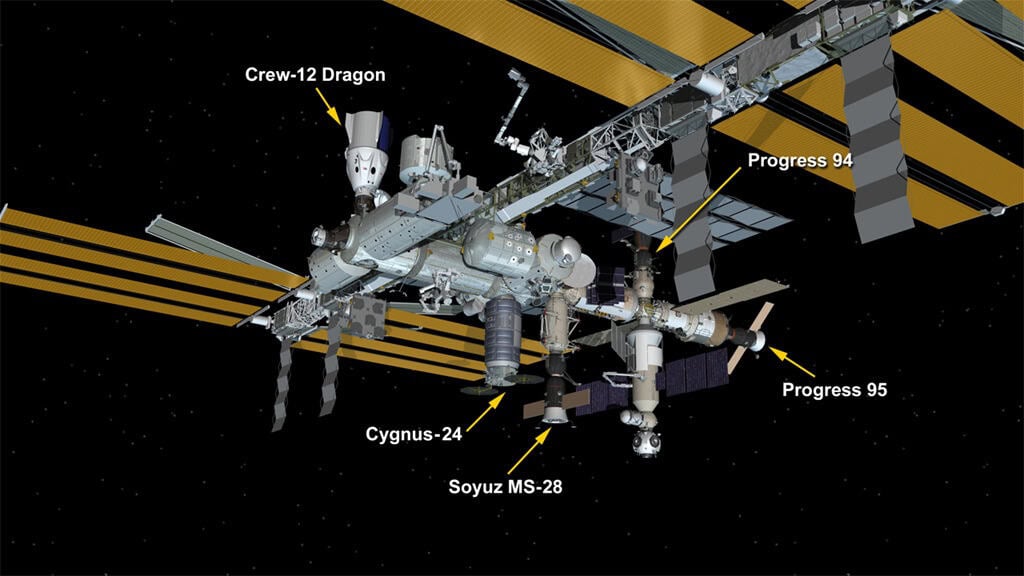
Alarmingly, the problematic leak flared up again roughly three weeks ago. After outside sources tipped off the media, NASA officially confirmed the setback on Thursday. The issue resurfaced on May 1, right after Russian cosmonauts finished unloading supplies from the Progress 95 cargo ship and noticed a “slow pressure drop” inside the PrK transfer tunnel.
“Teams performed data analysis, which indicated a loss of about one pound per day,” NASA spokesperson Josh Finch said. “Roscosmos allowed the pressure in the transfer tunnel to gradually decrease while monitoring the rate. The area now is being maintained at a lower pressure, with small repressurizations as needed. There are no impacts to station operations, and NASA and Roscosmos are coordinating on next steps.”
Why extending the ISS is a dangerous gamble
Publicly, NASA has played down how dangerous the space station leaks really are. Behind closed doors, however, it’s a completely different story. Internally, NASA uses a 5×5 grid called a “risk matrix” to rank spaceflight dangers. On this scale, the Russian leaks have been slapped with a “5” for both high likelihood and high consequence — the absolute maximum threat level.
Up until now, cash-strapped Roscosmos has managed to contain the problem simply by keeping the hatch to the leaking PrK module closed off from the rest of the station. The plan was to limp along like this until 2030, which is when the ISS is scheduled to retire.
However, NASA and the US Congress are currently debating whether to keep the space station flying until 2032 or even longer. With some of the station’s modules operating in space for nearly thirty years, these recurring cracks raise serious doubts about whether extending its lifespan is a safe, realistic strategy.
To keep the station running past 2030, NASA needs the green light from its international allies, including Russia. Compounding the issue, NASA doesn’t want to abandon the ISS until private, commercial space stations are ready to take its place so astronauts have somewhere to go.
Unfortunately, building that commercial handoff has been a bumpy road. NASA’s strategy is to help fund private space stations and then pay to use them as a customer. But when NASA proposed a new plan at its Ignition event, suggesting private companies attach their new modules directly to the old ISS first, the industry response was lukewarm at best. Private space companies are pushing back against keeping the old station alive longer, insisting they will be ready to launch their own independent platforms by 2030.
Source: ARS Technica