
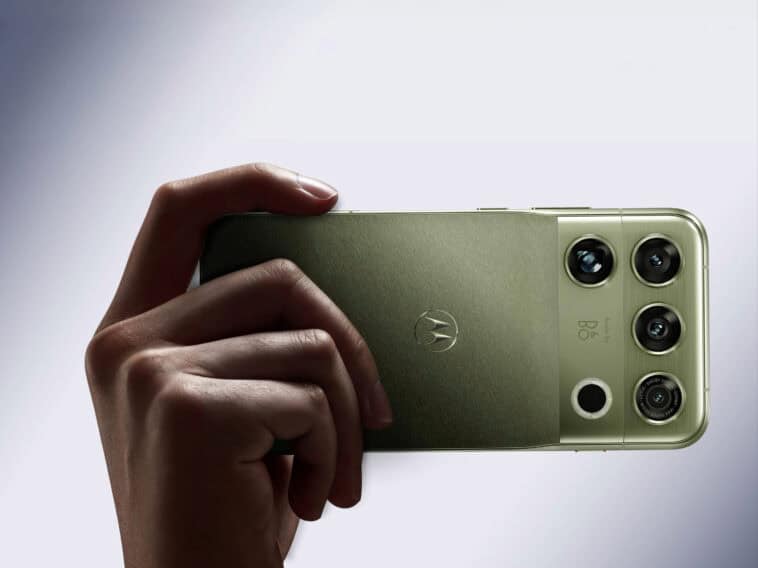
Motorola has unveiled a first look at the motorola signature 27, its newest ultra-premium flagship. The company is going all-in on keeping the new device cool while it throws increasingly demanding AI, gaming, and video workloads at it.
The phone was previewed at Snapdragon Summit alongside Qualcomm’s new Snapdragon 8 Elite Extreme Gen 6 Mobile Platform, which powers the device. Here is all the gist about it.
Liquid metal is doing some of the heavy lifting
The signature 27 uses Motorola’s new ArcticMesh cooling system, which combines a diamond-infused thermal gel, liquid metal, copper mesh and a redesigned 3D vapor chamber. The vapor chamber is also 40% larger than the previous generation, giving the phone more room to move heat away from its components during sustained workloads.
Motorola expects the signature 27 to handle on-device AI, intensive gaming, video recording and other demanding tasks without performance falling off as the phone heats up. The company is also promising seven years of OS upgrades, including up to seven years of security updates from global launch, although availability can vary by market and carrier.
The AI ambitions are getting bigger, too
The signature 27 is not just about raw speed. Motorola is leaning heavily into Google Gemini, which can move beyond answering questions and help users actually get things done across supported apps and services. That includes things like planning an outing, booking dinner, or finding event tickets.
There are also some particularly geeky creative tricks. Gemini Omni can turn a prompt, photo, or existing footage into a polished video, while Google’s Lyria can generate original music and custom soundtracks.
The camera setup is serious
On the photography side, Motorola is packing a 50MP Sony LYTIA 910 main sensor alongside a 200MP periscope telephoto camera. The latter is designed for getting closer to distant subjects without physically moving closer, making it useful for things like architecture, landscapes, and other shots where you want to pull distant details into frame.
Motorola is also bringing AI into video with its Video Enhancement Engine, which analyzes a scene before and during recording to adjust color tones in real time. According to the company, the system is designed to keep footage sharp in low light while maintaining natural-looking colors.
There is also Qualcomm’s image stabilization working alongside the phone’s 3.5-degree optical image stabilization hardware, helping smooth out footage while walking, panning, or shooting handheld.
Motorola wants it to look expensive
The signature 27 gets an aluminum body with contoured edges and a slim profile, plus a camera housing combining ceramic and brushed aluminum. It will come in two finishes: the PANTONE Coal Smoke in Tactical Weave and the PANTONE Capulet Green in a brushed, textile-inspired finish. The Coal Smoke version is designed around a more technical, performance-oriented aesthetic, while Capulet Green leans softer and more fashion-forward.
Motorola is also making a notable move on its audio. The signature 27 is its first smartphone with Audio by B&O, following the company’s recently announced multi-year partnership with Bang & Olufsen.
This is still just the preview
Motorola has not revealed every detail yet. The signature 27 is expected to launch in markets worldwide in 2026, with pricing information coming closer to availability.