
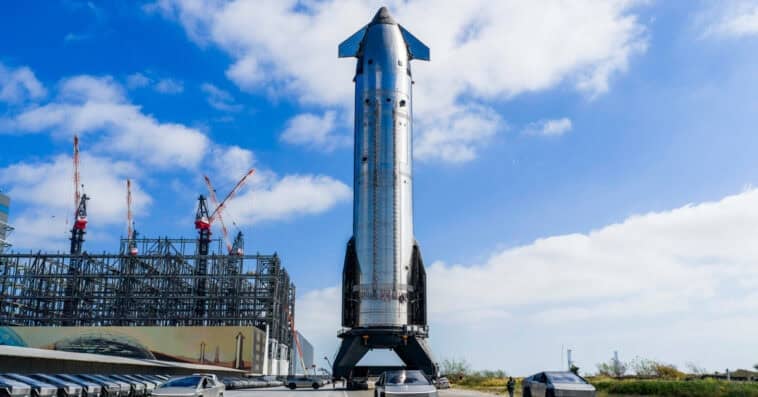
Next Tuesday could mark one of the most important moments yet in the future of space travel as SpaceX prepares to launch the newest version of Starship, the giant spacecraft designed to carry humans back to the Moon and eventually all the way to Mars. But this won’t just be another routine test flight. From a brand-new launch pad to major upgrades hidden inside the massive rocket, Starship Version 3 is expected to push SpaceX’s ambitions further than ever before — and what happens during this launch could reveal whether Elon Musk’s vision for deep-space travel is finally starting to become reality.
Starship Version 3 targets first flight as early as May 19 from Starbase
After a string of delays, the wait for the debut of SpaceX’s next-generation powerhouse is nearly over. On May 12, the company officially circled May 19 on the calendar for the maiden voyage of the Starship Version 3, a vehicle that serves as the linchpin for both Musk’s deep-space ambitions and NASA’s mission to put boots back on the Moon.
Scheduled to lift off from the Starbase facility in South Texas at 6:30 p.m. ET, this mission marks a pivotal step for the world’s most powerful rocket. The green light follows a successful wet dress rehearsal on the pad, where teams successfully loaded the Super Heavy booster and the Starship upper stage with propellant. While a previous fueling attempt just days prior was cut short, the most recent full-scale rehearsal confirms that the V3 hardware is finally primed for its high-stakes journey into the atmosphere.
Why history is about to be made
This upcoming launch represents the first flight of Starship Version 3, a major upgrade to both stages of the vehicle aimed at improving overall performance, including the introduction of upgraded Raptor engines. It will also be the first time SpaceX uses a newly built launch pad at Starbase for a Starship mission.
According to SpaceX, “The flight test’s primary goal will be to demonstrate each of these new pieces in the flight environment for the first time, with each element of the Starship architecture featuring significant redesigns to enable full and rapid reuse that incorporate learnings from years of development and test.”
What to expect from the first test flight
This suborbital journey, officially dubbed Flight 12, follows a familiar path but with several critical twists:
- A soft splashdown: Unlike the dramatic mid-air “chopstick” catches of the past, the Super Heavy booster will aim for a gentle touchdown in the waters of the Gulf of Mexico.
- The “next-gen” cargo: Once in orbit, the Starship upper stage will release 22 mass simulators designed to mimic the weight and size of future Starlink satellites.
- Heat shield surveillance: Two of these mock-satellites are equipped with special cameras to scan Starship’s belly. This high-tech selfie will help SpaceX confirm if the heat shield can survive the return trip on future missions.
Pushing the limits
SpaceX isn’t playing it safe. To prepare for future landings back on Earth, the team will relight a Raptor engine in space and put the vehicle through a series of stress maneuvers during reentry.
Engineers will also intentionally remove a single heat shield tile. This will allow them to see exactly how the surrounding tiles hold up under extreme heat and aerodynamic pressure. This will provide the raw data needed to make the world’s first fully reusable spaceship a reality.
What caused the delays
Getting the world’s most ambitious rocket off the ground is rarely a smooth ride. While SpaceX initially hoped to launch Flight 12 as early as January — following the final flight of the Version 2 hardware in October — a series of setbacks kept the massive vehicle grounded. The primary culprit? A stroke of bad luck in November, when the Super Heavy booster intended for this mission suffered significant damage during a testing session.
Since then, the timeline has been a moving target. In late January, Musk suggested a launch was only six weeks away; by March, that window shifted another four weeks; and by April, the estimate moved again.
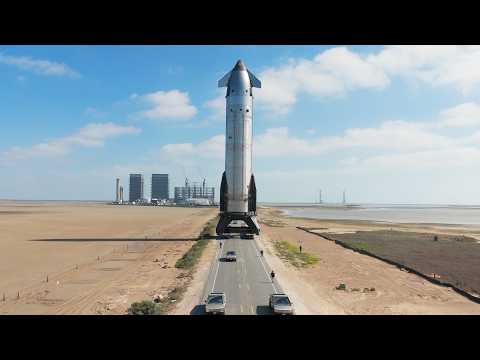
SpaceX has remained relatively tight-lipped about the specific technical hurdles causing these shifts. However, a recent mini-documentary released by the company offered a rare behind-the-scenes look at the grueling work being done at Starbase. The footage highlighted the intense challenges engineers faced during vehicle testing and the complex construction of the new launch pad. You can watch the documentary below.
Source: Space News