
Ever find a forgotten beverage in the back of your fridge and wonder if it’s still good to drink? Researchers in China just took that to a whole new level!
According to a recent report, archaeologists have uncovered a massive stash of an ancient alcoholic drink. The drink is a staggering 2,200 years old.
Discovery of a troubled time
While digging at the Shanjiabao cemetery in China’s Ningxia Hui Autonomous Region, researchers were exploring 183 tombs from the Warring States Period (475-221 B.C.). This era was a tumultuous time when rival kingdoms fought for control before the country was unified.
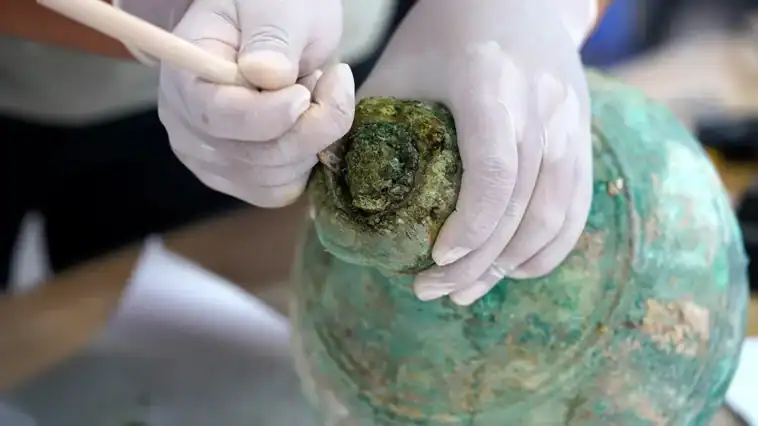
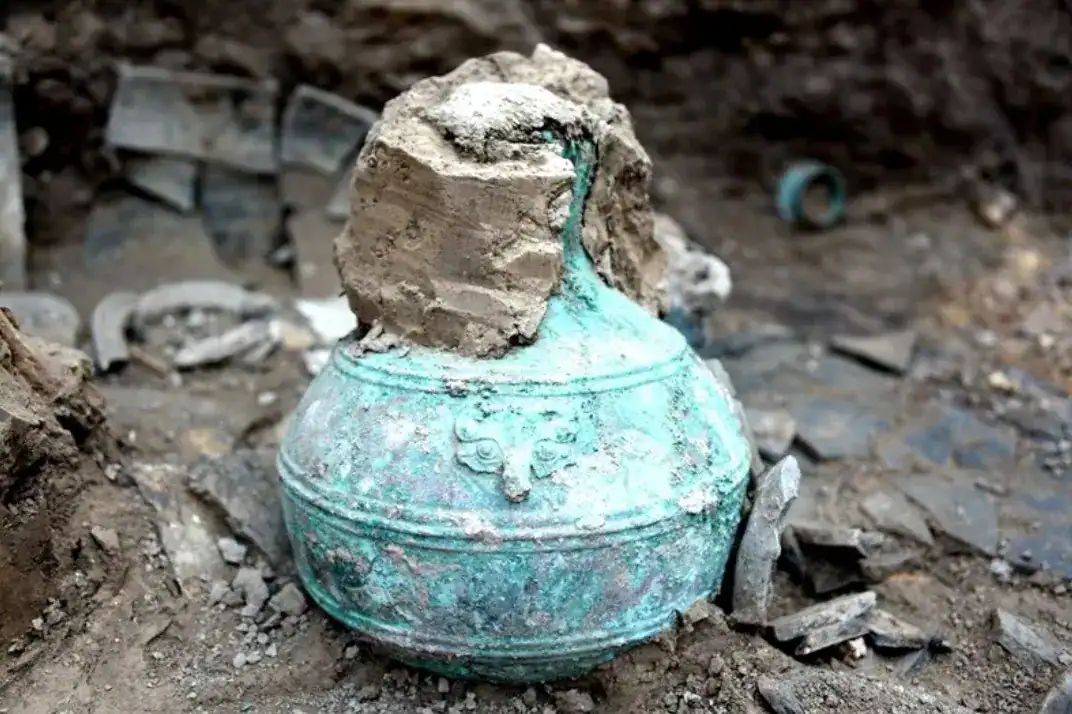
During their exploration, researchers discovered and opened a Qin tomb. Inside, they found a garlic-mouth-shaped bronze vessel, a classic design used by the Qin people for storing their alcoholic drinks. But the real shocker wasn’t the bottle itself. It was what was inside.
A massive stash of ancient brew
Unlike most ancient drink discoveries where scientists only scrape up dried residue, this tomb yielded a whopping 3.74 liters (nearly a full gallon) of alcohol. To put it more simply, you could gather 14 of your friends and all of you would get a cup of beer each from this ancient stash.
As Ruru Chen, a researcher at Northwest University’s School of Cultural Heritage in Xi’an, put it, the discovery is potentially one of the largest volumes of alcoholic beverage ever recovered from that era.
“What surprised us even more was the very large volume and the exceptional state of preservation,” Chen told Fox News. “Considering that this sample dates to the Warring States period, such a good level of preservation is extremely rare.”
Strange look, surprising smell, and ancient mix
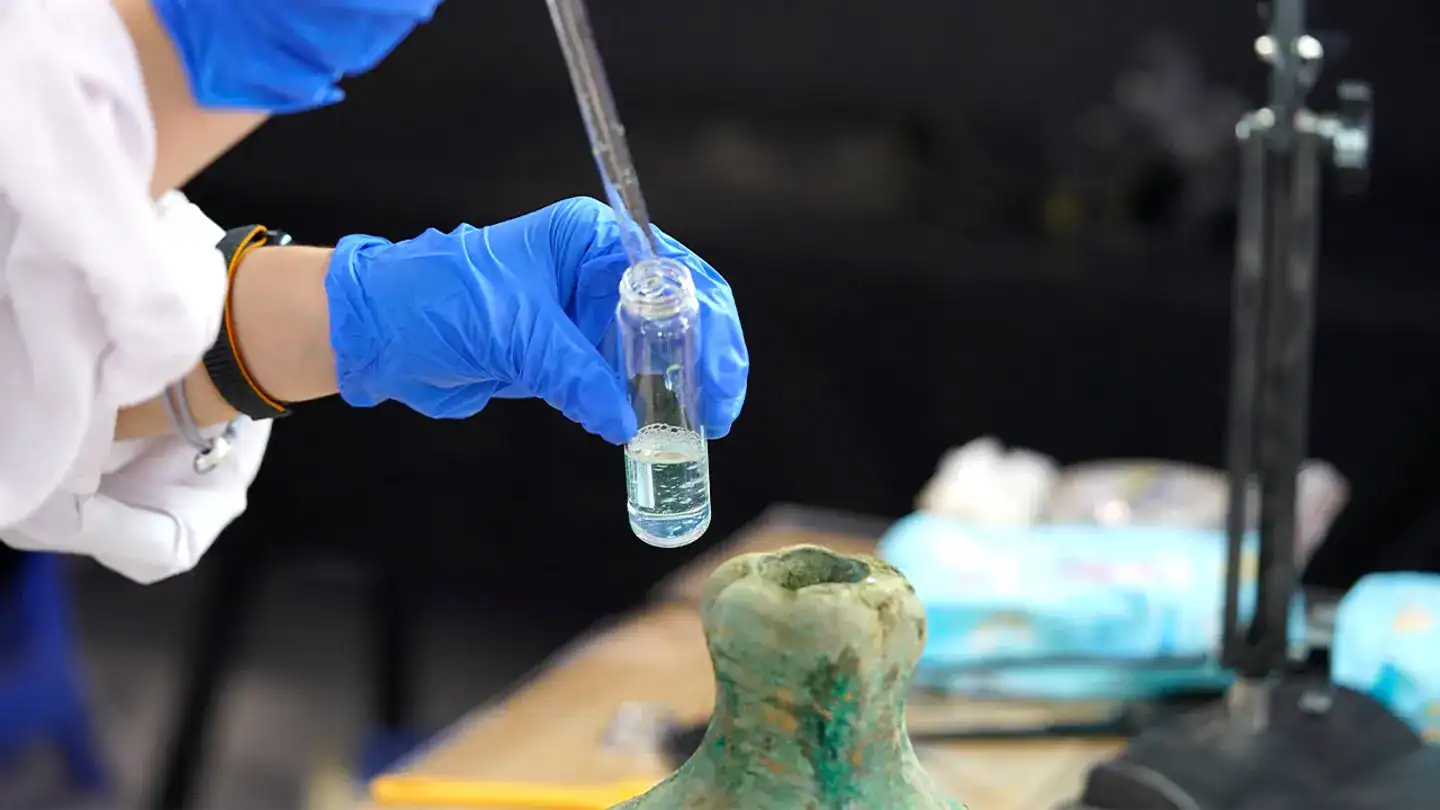
If you’re picturing a frothy, golden ale, think again. According to the findings published in the Journal of Archaeological Science: Reports, this ancient brew is a clear, light blue-green liquid with just a little bit of sediment at the bottom. And as for the smell? Strangely enough, researchers reported it had no noticeable odor.
To figure out exactly what the ancients were knocking back, scientists used some pretty high-tech microscopic analysis, checking out starch grains, yeast remains, and organic chemistry. They found high concentrations of lactic and oxalic acids, plus dozens of other organic compounds. They concluded the drink is a non-distilled, cereal-based fermented beverage—loosely described as an ancient “beer.” The starch analysis revealed it was brewed mainly from broomcorn millet, mixed with a little wheat and/or barley.
“It would not have resembled a distilled spirit,” Chen explained.
How did it survive?
How does a gallon of millet beer stay liquid for over two millennia without evaporating? Chen and her team are still working out the exact science, but they suspect a combination of factors helped save it.
They think the dry local environment, the specific sealing method of the bronze vessel itself, and the unique burial conditions of the tomb may have kept the beverage preserved.
The afterlife’s after party
At this point you must be wondering what the ancient beer is doing in a dead man’s tomb. Well, you are not alone! Scientists wondered the same thing and they came up with a fascinating answer. They believe the beer was placed in the burial tomb as a gift so the deceased could enjoy a drink in the afterlife.
Ancient Chinese citizens believe the alcohol provides the deceased with sustenance and luxury in the afterlife, making it an important part of the funeral ritual.
“This discovery further enriches our understanding of alcohol’s central role in ritual and mortuary contexts during early imperial state formation,” noted archaeologist Li Liu of Stanford University.
China’s deep history with beer
Coincidentally, this find follows a 2024 discovery where archaeologists uncovered beer inside a 2,300-year-old Qin state tomb in China’s Shaanxi province. That particular ancient lager was brewed using wheat or barley, millet, pulses, and grass seeds. However, having nearly a full gallon of intact liquid on hand makes this Warring States discovery a true rarity.
And believe it or not, these 2,000-year-old brews are practically modern compared to other historical finds in China. Researchers previously found evidence of 9,000-year-old rice booze made with honey and fruit in clay jars in China’s Henan province.
As Liu noted, those fermentation fossils account for the oldest record of man-made alcohol in the world.
While we definitely wouldn’t recommend taking a sip of this 2,200-year-old blue-green brew, it’s an amazing window into the past!
Sources: New York Post, Fox News, History