

If you were hoping we’d find alien life hanging out on a cozy, pint-sized planet anytime soon, then you should know that planetary scientists just dropped a major buzzkill on our hunt for extraterrestrial neighbors. As it turns out, size matters when it comes to keeping a planet alive and kicking.
According to a new study published in The Planetary Science Journal by planetary scientist Michelle Hill and her team at the University of California, tiny exoplanets just can’t hold onto the atmospheres required for life to thrive.
Why small planets are losing the fight
We all know the habitable zones, the areas where astrobiologists have their focus when they hunt for alien life. That sweet spot around a star where temperatures are perfect for liquid water.
But staying in the neighborhood is tough work when your host star is constantly blasting you with solar winds and harsh radiation, actively trying to strip away your atmosphere.
To see which worlds could stand up to the heat, the research team ran computer simulations testing planets of various sizes similar to Earth. They wanted to know how small a planet can be and still hang onto its breathable, life-sustaining atmosphere for billions of years.
Size does matter
Hill and her team’s findings revealed that a planet needs to be at least 80% as wide as Earth to maintain an atmosphere long enough for life to thrive. For clarity, “long enough” here translates to not very long—only a few billion years at minimum.
Now, if a planet gets any smaller, it runs into two massive problems:
- Weak gravity and magnetic fields: Smaller worlds don’t have enough gravitational pull or strong enough magnetic shields to keep gases from drifting into space.
- Volcano shortages: Earth relies on volcanoes to spew out gases (like carbon dioxide) to continuously replenish our atmosphere. Tiny planets cool down way faster, freezing up their interiors and shutting down volcanic eruptions much earlier in their lifespan.
Simply put, smaller planets lose their air much faster than their dying volcanoes can replace it. In fact, Mars serves as proof of the study’s threshold. Because Mars (at around 53% of Earth’s width ) is well below 80% of Earth’s size, its interior cooled, its volcanic activity ceased, and its atmosphere was stripped away by solar winds.

How scientists tested alien air
To figure out if smaller worlds can actually hold onto their air, researchers created the “Smaller Than Earth Habitability Model,” a clever simulation that acts like a stress test for digital planets over billions of years.
They built various mini-Earths, tweaking everything from planet size and core makeup to carbon levels and starting temperatures. The model then tracks an epic cosmic battle between two opposing forces.
On one side, brutal solar winds and radiation constantly try to strip the planet’s atmosphere away. On the other side, churning underground volcanoes work overtime, spewing out fresh carbon dioxide to replenish the lost gas.
By balancing stellar destruction against volcanic refills, this model gave astronomers a quick and reliable way to spot which mini-worlds can keep their atmospheres long enough for alien life to take root.
Is there any hope for mini-worlds?
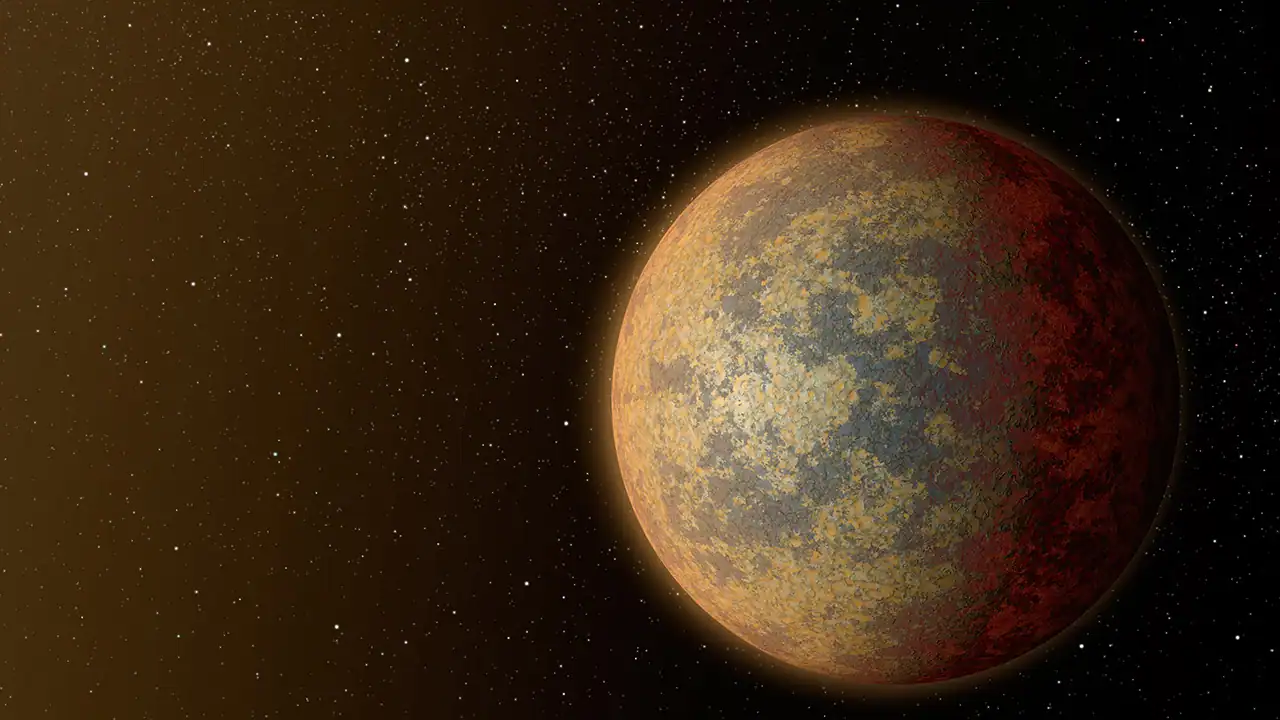
It’s not entirely game over for tiny worlds, but they definitely have to play on hard mode.
The researchers found that if a planet is packed with extra carbon in its mantle—leading to heavy carbon dioxide eruptions—it could technically hold onto an atmosphere at around 60% of Earth’s size.
Late-stage comet and asteroid impacts could also deliver fresh batches of gas to help a planet rebuild its lost atmosphere. Still, for complex life as we know it, those conditions are a long shot.
The silver lining for astrobiologists
While this feels like a total bummer, it actually gives scientists a huge advantage.
With thousands of exoplanets already discovered and limited time on powerful hardware like the James Webb Space Telescope (JWST), astronomers need to be picky.
By ruling out mini-planets that are likely dead, airless rocks, researchers can narrow their focus to larger targets that actually have a fighting chance of harboring alien life.
So while the universe might have a few fewer habitable worlds than we hoped, at least we know exactly where to point our telescopes next.
Source: Space.com, The Planetary Science Journal