
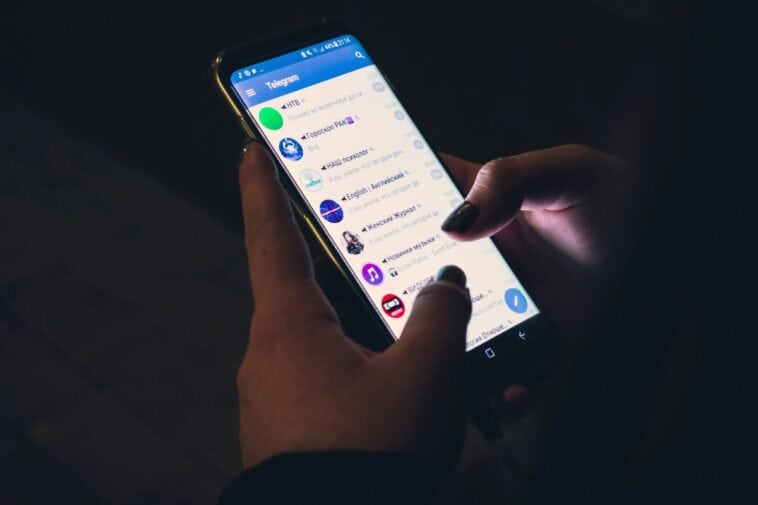
Emergency alert apps in Ukraine and Russia were hacked overnight recently, sending residents of both countries fake warnings about nuclear strikes, chemical attacks, and radiation.
In Ukraine, the false alerts went out through the Air Alert app at 10:47 p.m. local time on Nov. 1, warning of a nuclear attack, a chemical threat, radiation, and street fighting in Kyiv. Millions of Ukrainians rely on the app to decide when to take shelter from Russian missiles and drones.
The Ukrainian Air Force moved quickly to address the situation, however, and confirmed at 11:02 p.m. local time, just 15 minutes after the alerts were sent out, that the messages were not real. “The Air Alert app appears to have been subjected to hostile interference. There is no radiation threat!” the Air Force stated on Telegram.
On the streets of Kyiv, residents were largely unfazed by the warnings. Artem Pyndyk, a 37-year-old businessman, told Reuters that he and his family never panicked and quickly saw through the hoax, saying the breach “did not trigger the kind of reaction in society that they expected.”
The developers of Air Alert said the app had suffered “unauthorized interference” and temporarily disabled it. Air Force spokesman Yurii Ihnat later confirmed on Ukrainian national television that the cyberattack did not affect the country’s security operations because the app is not connected to the military’s command systems.
Russia experienced a similar breach a few hours later when its Emergencies Ministry app was hacked at 2:45 a.m. Moscow time, with Russian state media saying users in 33 regions were told that “nuclear warheads” had been launched. The false alerts also urged people to stock up on food for three weeks and shelter in basements.
According to the Ministry (EMERCOM), attackers used a weakness in the app’s administrative panel. Officials subsequently took the affected services offline.
The dual breaches occurred as a temporary ceasefire ended in and around Oleshky, a southern Ukrainian city occupied by Russia since 2022. The truce, which began on Oct. 27 and was credited by both sides to U.S. First Lady Melania Trump and Pope Leo XIV, had allowed humanitarian aid into the city and had given some civilians a chance to leave.
Sources: Kyiv Independent, Ukrainian Air Force (Telegram), The New Voice of Ukraine, Reuters, CBS