
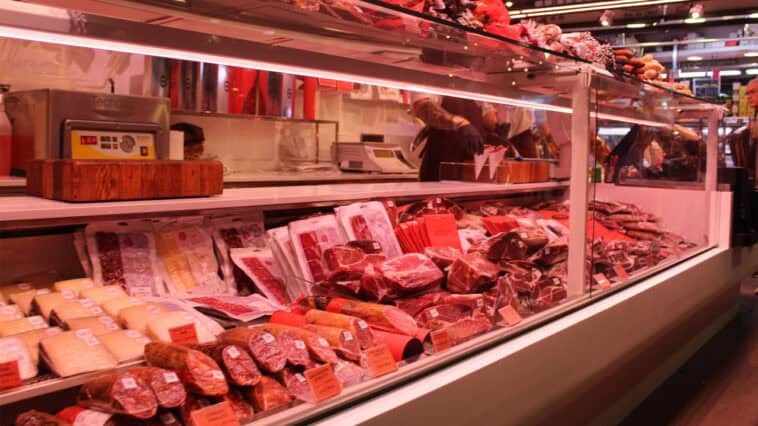
Supermarket freezers are supposed to keep food fresh, but hackers have found a way to turn these everyday appliances into tools for disruption. A series of cyberattacks targeting grocery stores across Europe has reportedly allowed attackers to interfere with refrigeration systems, causing temperatures to rise and putting valuable food supplies at risk. The incidents have affected supermarkets in seven European nations, turning ordinary refrigeration equipment into an unexpected target for cybercriminals. But how can someone sitting behind a computer screen cause so much damage to a grocery store? Keep reading to learn how the attacks unfolded and why this unusual threat has retailers on alert.
Supermarkets across Europe report freezer disruptions
The digital threat to Europe’s infrastructure has taken an unexpected and deeply unsettling turn, moving from corporate networks and government servers straight to the local grocery aisle.
Supermarkets spanning Belgium, Estonia, Ireland, Luxembourg, and Sweden reported sudden anomalies in their refrigeration systems, marking a disturbing continuation of an earlier incident in France just weeks prior. In these coordinated disruptions, unidentified actors allegedly hijacked commercial freezer units, remotely manipulating settings to trigger defrost cycles and rendering fresh and frozen foods unsafe for consumption.
How the chaos unfolded on the ground
Retailers across the continent scrambled to assess the damage as monitoring systems flashed warnings.
In Sweden, major supermarket chains ICA and Coop confirmed that a limited number of their stores had fallen victim. ICA spokeswoman Helena Johansson noted that the company was actively “looking into what has happened and the scale of it.”
Meanwhile, Coop spokesman Carlos Cancino told the French AFP news agency that out of roughly 800 Coop stores in Sweden, six were impacted, adding cautiously, “I haven’t received any information that this is a cyberattack.”
However, other retail giants were far more direct about the nature of the breach. Dutch supermarket group Ahold Delhaize reported an overnight “IT incident” affecting freezers across several of its stores in Belgium and Luxembourg. In Ireland, public broadcaster RTÉ confirmed that 13 supermarkets had been hit.
Prominent chains including Carrefour, Intermarche, and Spar were also targeted. Carrefour’s Belgium spokesman Mich Vergauwen minced no words regarding the cause: “It’s a cyberattack… There’s no other reason.”
The severity of the disruption prompted swift legal action, with Belgium’s prosecutor’s office opening an official criminal investigation into the breach.
European officials warn of threats to food supplies
The targeted attacks drew immediate alarm from top European Union officials. Christophe Hansen, the European Commissioner for Agriculture and Food, condemned the incidents as “a deliberate attempt to disrupt Europe’s food supplies.”
While reassuring the public that broader food security was not in immediate danger, Hansen emphasized the tangible fallout: “The food waste and impact on businesses are real.”
A European Commission spokesperson echoed those sentiments, pointing to the expanding real-world consequences of digital threats: “These incidents show that cyberattacks can disrupt services, affect businesses and directly affect citizens’ daily lives.”
How are hackers targeting supermarket freezers?
The mechanics behind the attacks highlight a terrifyingly modern security blind spot. Just as they did in the mid-October French incident, Monday’s disruptions forced grocers to discard massive amounts of spoiled inventory, reigniting anxieties over the safety of everyday logistics.
In one striking example, the ICA Kvantum branch in Sjöbo, southern Sweden, reported that hackers remotely cranked internal freezer temperatures up to a scorching 50 degrees Celsius (122 degrees Fahrenheit) — turning preservation units into ovens.
John Billow, head of Sweden’s National Cybersecurity Center, confirmed that his department has launched an active investigation. He pointed to a broader systemic weakness plaguing modern commercial infrastructure: “We have in recent weeks… identified that we have quite a lot of exposed operational technology devices in Sweden that we have been clear about the necessity to update or patch.”
Updating or patching these systems can help fix security weaknesses and prevent attackers from exploiting known vulnerabilities. However, recent incidents show how poorly protected connected equipment can create problems that extend far beyond the digital world.
For supermarkets, a compromised freezer is not simply an IT problem. It can mean spoiled food, financial losses, and disruptions that directly affect customers and everyday shopping.
Source:
DW