
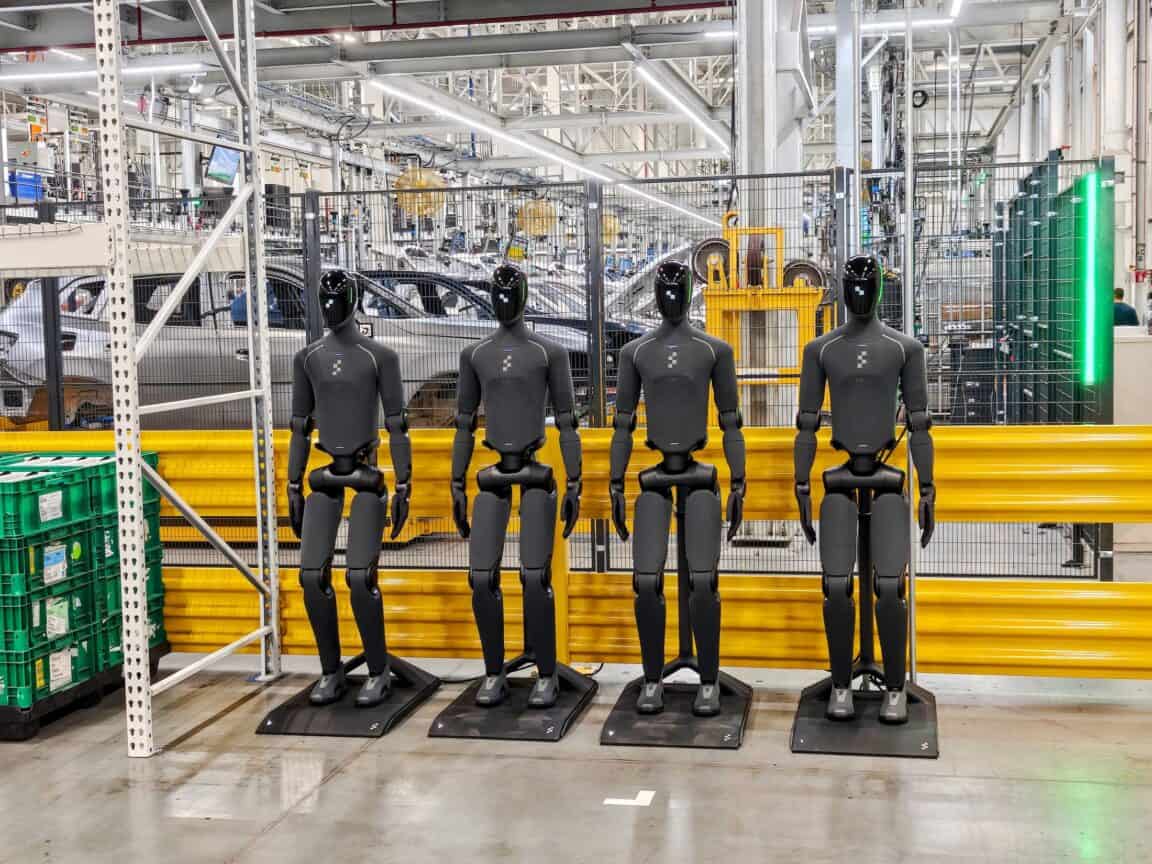
BMW is expanding the use of humanoid robots at its South Carolina plant after an earlier model helped build more than 30,000 vehicles over the past year. The next-generation robot is now taking on a new role, marking another step toward bringing AI-powered robots into actual manufacturing.
We got a first-hand look at these machines in action this past week during BMW’s “Home of X” event, which celebrated both the launch of the 2027 X5 series and the company’s future of automotive manufacturing.
From the lab to the factory floors
Last year, BMW partnered with Figure AI to test its humanoid robot, Figure 02, at the company’s Spartanburg manufacturing plant. This wasn’t a controlled demonstration. The robot worked alongside employees in the body shop, inserting sheet-metal parts into the welding process, a repetitive job that requires speed, consistency, and precision.
Over a ten-month deployment, Figure 02 supported production of more than 30,000 BMW X3 SUVs, giving BMW confidence that humanoid robots can operate safely in real manufacturing environments.
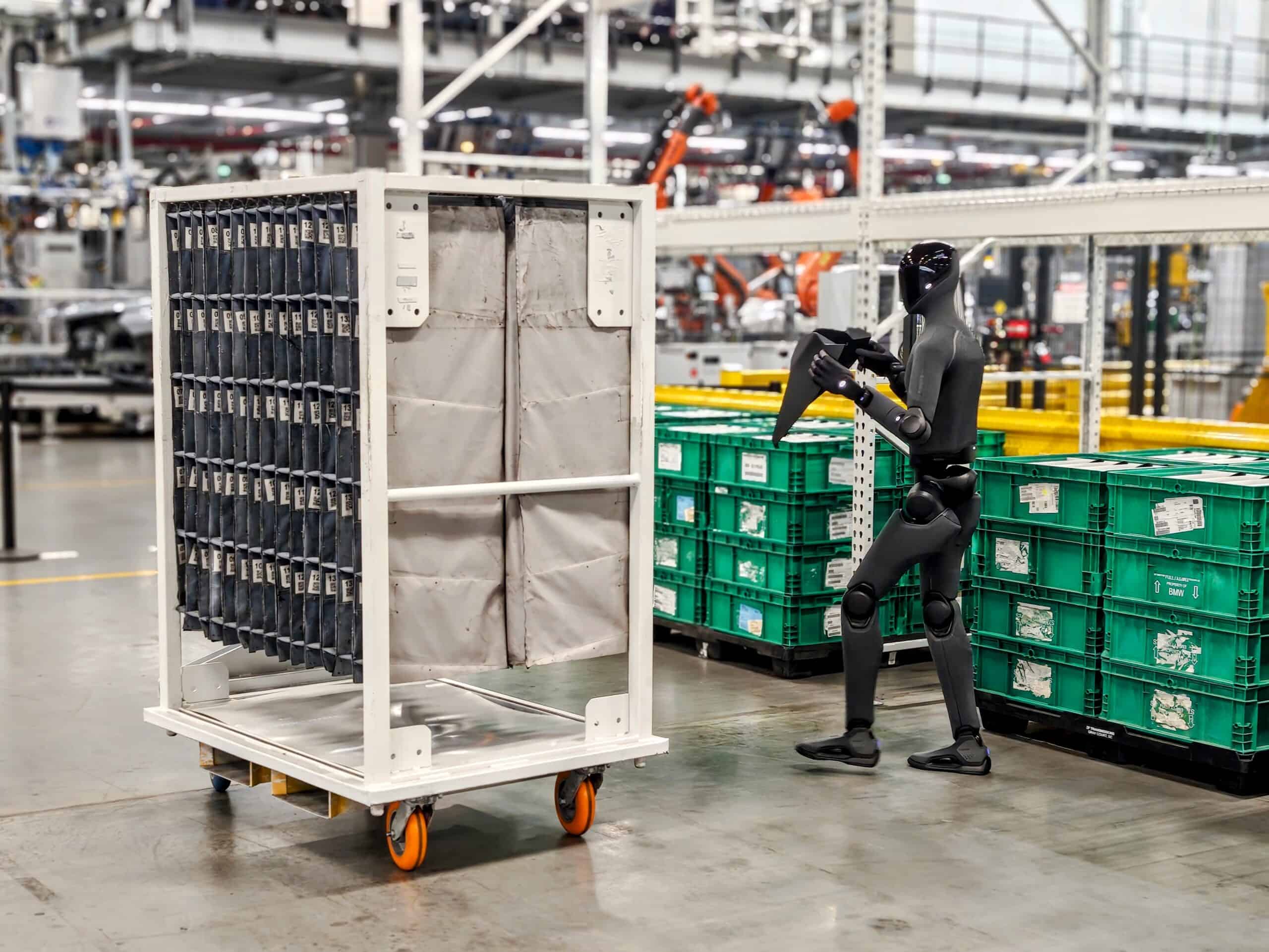
Now, BMW is rolling out Figure 03, Figure 02’s successor. Instead of working in the body shop, the new robot will help manage logistics behind the scenes. Its job is to pick up unsorted vehicle components, organize them into sequencing carts, and prepare parts so they’re delivered to workers in the correct order for assembly.
Figure 03 isn’t just a software update. It includes improved hands with tactile sensors, cameras built into its palms, wireless charging, soft components designed to improve safety, and speech-to-speech communication capabilities. The goal is to make the robot more precise while allowing it to work more naturally alongside people.
While we didn’t get to see it speak during our demo, it was uncanny to see just how humanlike its movement and mannerisms are while working.
Speaking of people, BMW says the purpose of these robots is not to outright replace employees. Instead, they’re intended to handle monotonous, physically demanding, and safety-critical work while allowing people to focus on tasks that require judgment and flexibility.
The AI strategy in play
BMW isn’t adding humanoid robots just because they look futuristic. Per the company, they are part of a push into what is known as Physical AI, the use of artificial intelligence to control machines operating in the real world.
At the Spartanburg plant, AI is already being used well beyond robotics. BMW uses virtual 3D factory simulations to plan production lines, AI-powered quality inspections using cameras and sensors, as well as digital tools that help improve workplace ergonomics before production even begins. The idea is to make factories smarter before a single car rolls off the line.