
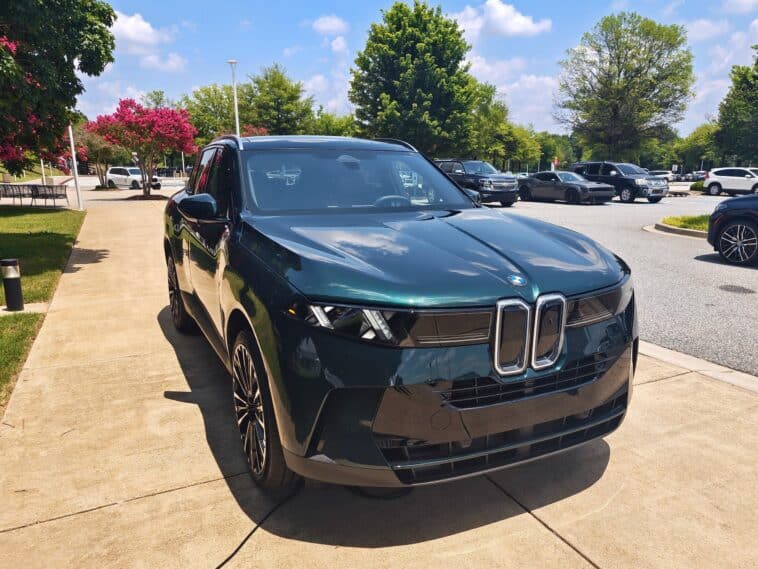
BMW is making a massive, multi-billion dollar bet on the future of manufacturing, and the epicenter isn’t Munich – it’s South Carolina.
At a dedicated “Home of X” event that we attended this week at its Plant Spartanburg, the automotive giant officially closed the loop on a massive $1.7 billion U.S. investment first announced back in 2022. The cash infusion successfully wrapped up an expansion of the iconic Spartanburg facility alongside the completed construction of the nearby Plant Woodruff, effectively cementing South Carolina as the brand’s powerhouse for its next generation of electrified luxury.
The crown jewel of the announcement was the global debut of the all-new, fifth-generation BMW X5. But the real story isn’t just the updated looks – it’s what is happening underneath the sheet metal. For years now, buying a new car has meant choosing between gas, hybrid, or electric. BMW wants to expand that conversation entirely.
A bet on every type of powertrain
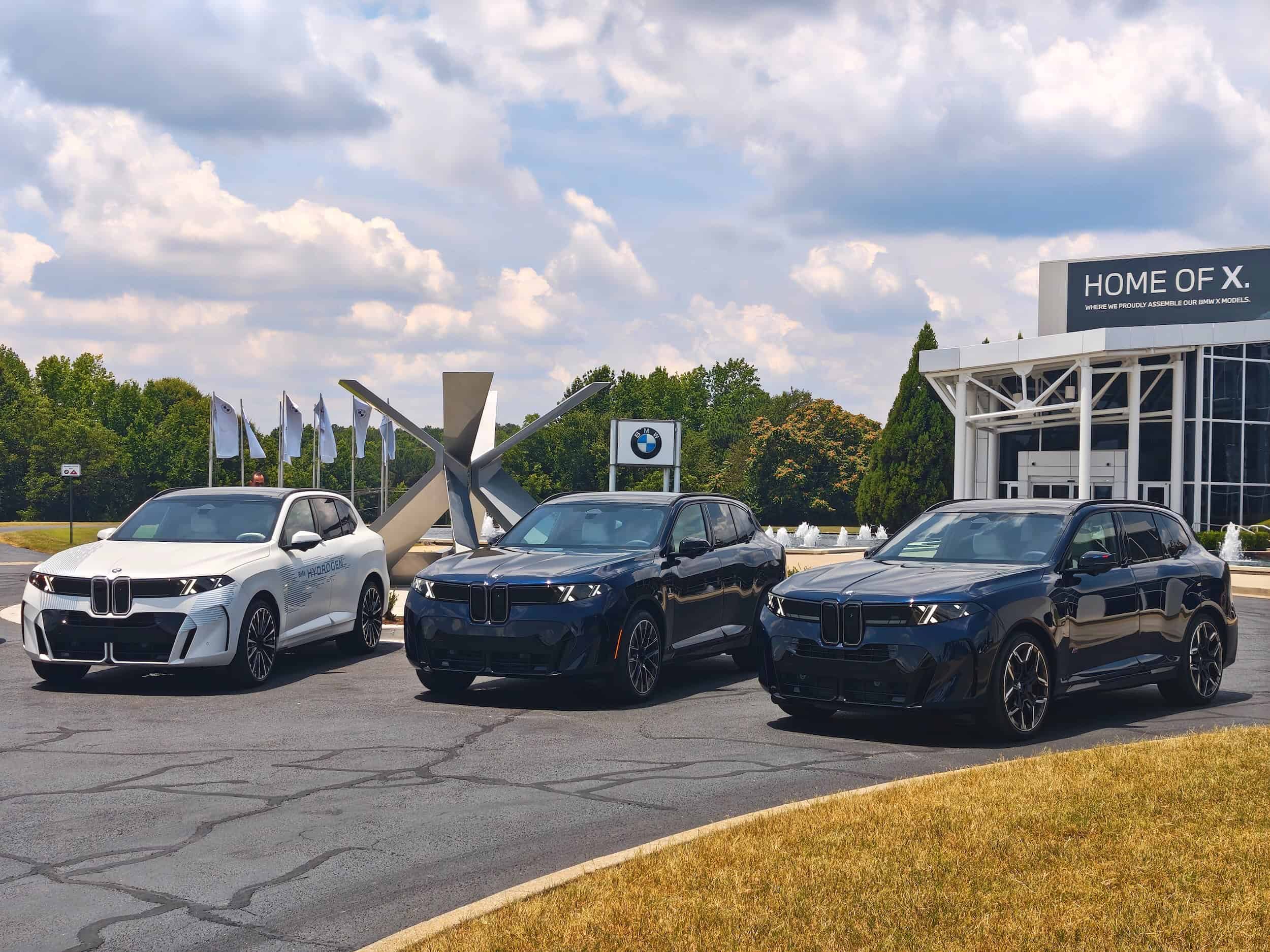
For the first time in the company’s global production network, Plant Spartanburg will build a single vehicle with five completely different drivetrain technologies running down the exact same assembly line. The fifth-generation X5 will launch with more drivetrain options than any BMW before it, spanning traditional petrol and diesel engines, a plug-in hybrid, a fully electric setup, and a hydrogen fuel cell variant.
BMW’s technology-open approach means they aren’t forcing consumers into a one-size-fits-all box. Instead, they are keeping production remarkably resilient and efficient while giving drivers the exact powertrain that fits their lifestyle.
While the internal combustion and plug-in variants offer familiar flexibility, the real engineering headlines belong to the alternative fuel options:
- The Hydrogen Frontier: The hydrogen-powered BMW iX5 Hydrogen will arrive after the initial launch, marking the brand’s first production hydrogen vehicle. Rather than relying on a massive, heavy battery pack alone, it combines a hydrogen fuel cell, onboard hydrogen storage tanks, and a high-voltage battery to generate its own electricity on the fly. BMW expects it to deliver a driving range of up to 525 miles.
- The Electric Evolution: The fully electric variant is getting a massive structural upgrade. The new BMW iX5 utilizes the company’s sixth-generation eDrive technology, bringing up to 466 miles of range and a high-efficiency 800V fast-charging architecture. It also introduces bidirectional charging capabilities and shifts to brand-new cylindrical battery cells, making it the first X5 to adopt this next-gen battery format.
Redesigning beyond the hood
BMW also gave the X5 a completely refreshed aesthetic that hints heavily at its future design direction. On the outside, the SUV features a more upright front fascia, illuminated kidney grilles, sharp “double-X” lighting signatures, and sleek, flush-style door handles dubbed “BMW Winglets.”
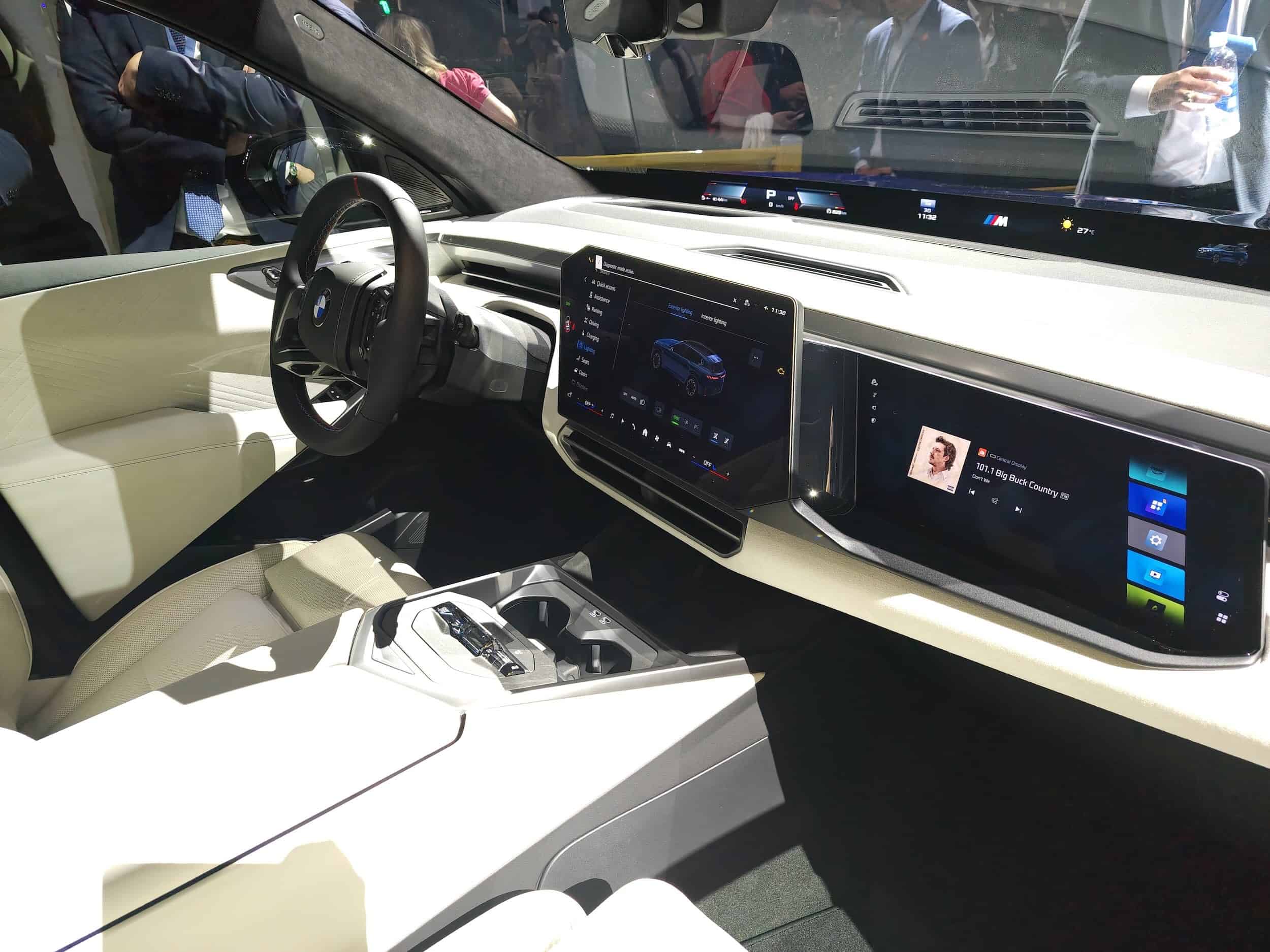
Inside, the cabin leans aggressively into the brand’s upcoming Neue Klasse design language which was first introduced with their 7 series a few months back. The physical dashboard is dominated by a seriously sweeping panoramic display that stretches across the base of the windshield, driven by a new software-first interface that altogether strips away traditional physical buttons.
The material choices are equally experimental. BMW is introducing genuine slate as an optional interior trim material, making it the first automaker first automaker to offer genuine slate as an interior trim option.
AI in the factory
To pull off building five distinct powertrains on a single line, BMW has injected its heavily digitized “iFACTORY” principles directly into the South Carolina operations. Before a single piece of steel is stamped, engineers map out the entire workflow virtually using complete 3D digital twins to predict bottlenecks and perfect ergonomics for the human staff.
Once things move to physical production, AI quietly runs the show behind the scenes. BMW is deploying an in-house proprietary platform called AIQX (Artificial Intelligence Quality Next), which uses an intricate web of sensors and cameras along the active line. The system automatically scans components in real-time, instantly feeding quality control feedback directly to line workers. Spartanburg is even dabbling in physical AI, integrating advanced humanoid robots developed by Figure AI to shoulder the highly repetitive and physically draining tasks that usually wear human workers down.
The numbers backing this operation are very impressive. Plant Spartanburg is already the single largest BMW production facility on the planet. In 2025 alone, the team rolled out 412,799 X-model SUVs, making it the seventh time the facility crossed the 400,000-unit mark. Roughly half of that volume gets shipped to nearly 120 countries worldwide, cementing BMW as the leading automotive exporter in the United States by dollar value.
Production of the new X5 officially kicks off in Spartanburg in August 2026. The rollout will be staggered: standard gas and diesel models are slated to hit the market in late 2026, followed by the all-electric and plug-in hybrid variants in early 2027. The hydrogen-powered iX5 will anchor the end of the timeline, arriving later.
Whether global drivers will actively embrace all five distinct flavors of the X5 remains to be seen. But by modernizing its foundational American plants with dual-threat AI and a hyper-flexible line, BMW is ensuring that whatever the market demands, they can build it on a single line.