
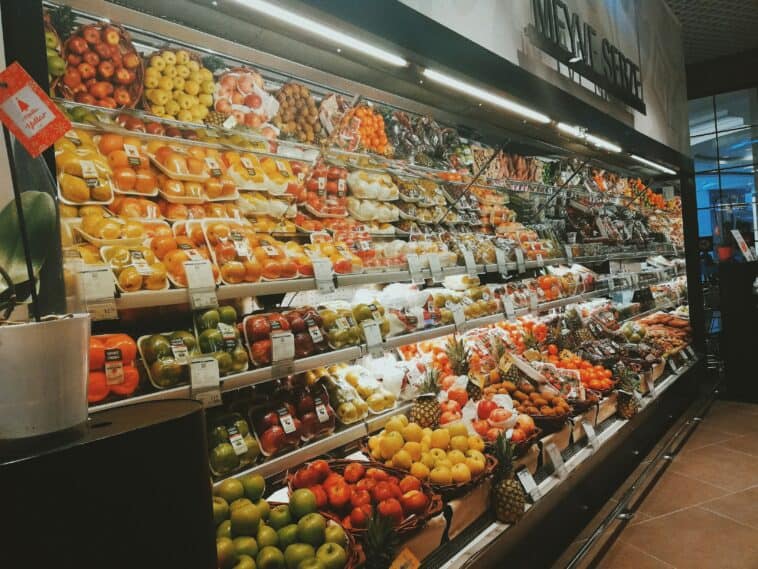
When you think about cyberattacks, your mind probably jumps straight to stolen passwords, drained corporate bank accounts or maybe even locked computer screens. One thing that rarely, if ever, comes to mind is the idea that hackers would target refrigerators in grocery stores.
Federal law enforcement agencies are sounding the alarm over a surprisingly physical and unsettling new digital threat where malicious hackers are actively targeting grocery store refrigerators and cold-chain systems.
The chilling reality of refrigerator hacks
Following a wave of suspicious incidents hitting supermarket refrigeration networks and cold-storage facilities, the FBI, the Cybersecurity and Infrastructure Security Agency (CISA), the Department of Health and Human Services, the U.S. Department of Agriculture (USDA) and the Department of Transportation have issued an urgent cybersecurity advisory. Authorities report that malicious actors are exploiting unpatched software, weak configurations and internet-accessible controllers to remotely manipulate temperature settings.
Instead of just demanding a standard ransom for locked computer files as you would expect with these types of situations, these clever cyber attackers have been forcing commercial cooling units into continuous heating and defrost cycles. Recent global attacks have successfully spiked internal temperatures in supermarket freezers overnight, resulting in massive food spoilage, wasted inventory, equipment damage and even serious fire hazards.
Why your local supermarket is vulnerable
The root of the problem often lies in the pursuit of modern technology and operational convenience. With the advent of AI and huge strides in technological advancement, grocery stores, food supply chains and large cold-storage facilities increasingly rely on internet-connected industrial refrigeration and monitoring systems to streamline daily tasks. Unfortunately, technology has its downside as leaving these critical industrial controllers exposed directly to the open internet creates an easy entryway for bad actors looking to cause mischief.
Beyond just ruining everyday groceries, these digital disruptions carry heavy consequences for public health and essential infrastructure.
Cold-chain networks are also responsible for preserving temperature-sensitive products like fresh produce, dairy goods, meat, vaccines, medications and other vital healthcare supplies.
Securing the food supply chain
To combat this rising trend, government agencies are strongly urging food and agriculture operators to take immediate actions and find adequate means to protect themselves.
Organizations are heavily advised to:
- Take vulnerable refrigeration controllers completely off the public internet.
- Isolate their operational technology networks.
- Update outdated firmware.
- Enforce strict multi-factor authentication.
Other security measures to consider
As federal investigations continue into these targeted intrusions, food retailers are being encouraged to review their entire digital defenses before the next cooling system goes haywire. Independent temperature monitoring and backup alert systems can also help staff catch dangerous temperature shifts early. It turns out the next big cyber battleground might just be hiding right inside the local supermarket’s frozen food aisle.
Sources: NewsNation, Newsweek