
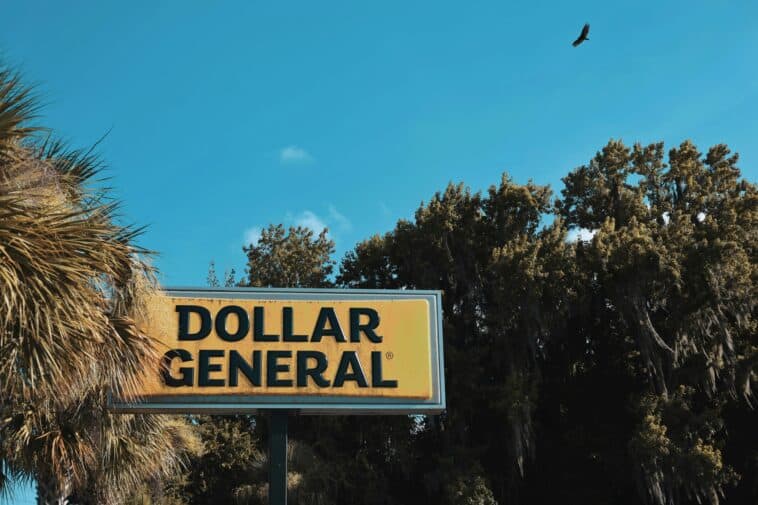
You know that quick trip to pick up everyday essentials at Dollar General—the one where you pay, grab your bag, and think nothing more of it? It turns out those store runs may have been noticeably more expensive than you realized. Following an investigation by state authorities, the retail giant has agreed to a hefty $1.875 million settlement over systematic pricing discrepancies.
Investigation into sleight of hand
An investigation by the New York Attorney General’s Office found that Dollar General routinely billed higher prices at the register than what was initially advertised on shelf labels, weekly circulars or even what is on the retailers promotional signs. That is not even the most shocking part.
In some particularly shocking spot-checks, overcharges on individual items climbed as high as 26%, 38% and even a staggering 39%. What this means is that an item that reads $10 on the shelf could rise to $13.90 by the time you get to the counter. And there is still worse to come.
“When New Yorkers see a sale price advertised on the shelf, they should be able to trust that they’ll be charged that same price at the register,” the New York attorney general, Letitia James, said in a statement.
Decoding confusing receipts
To make matters worse, figuring out what you actually paid was not easy. Hence, the reason you did not think anything of your trip to the retailer. State investigators discovered that Dollar General’s register receipts used confusing formats—sometimes displaying only original prices, other times showing only final discounts or omitting clear details entirely.
Under the settlement terms, Dollar General is required to overhaul its checkout practices:
- Honor the lowest listed price instantly whenever shelf-to-register mismatches occur.
- Redesign receipts so that savings, discounts, and final unit prices are crystal clear.
- Bring in independent auditors to conduct routine secret-shopper compliance checks.
Where the penalty goes
Instead of a standard cash fine, the $1.875 million penalty will be paid out as a donation of food and personal care items to Foodlink, a regional nonprofit helping families facing food insecurity. While the corporate giant neither admitted nor denied the findings, shoppers can hopefully look forward to checkout screens matching those shelf tags a lot more closely from now on.
Sources: The Guardian, The Daily Spin