
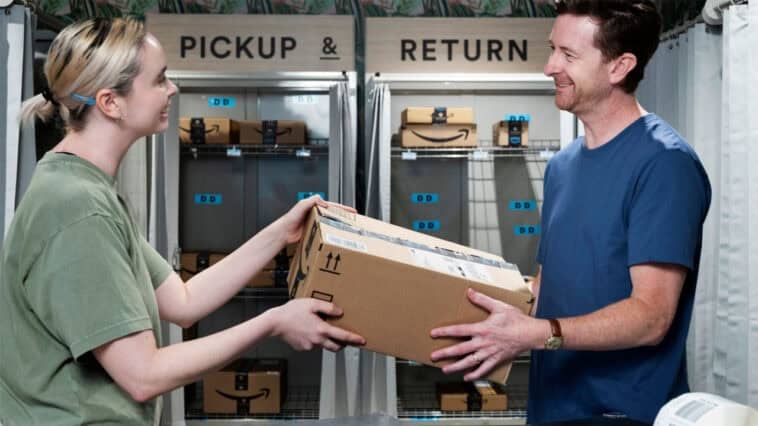
Millions of Amazon shoppers could receive money after a $309.5 million settlement over the company’s returns policy. But who actually qualifies, and could you be among those entitled to a share? Here’s what Amazon customers need to know about the settlement and the potential payout.
Amazon agrees to $309.5 million settlement
Amazon has agreed to pay $309.5 million to settle claims that some customers were not properly refunded after returning products. The proposed class action settlement was granted preliminary approval by a federal judge in Washington on August 18.
The settlement fund is described as non-reversionary, meaning the money set aside for eligible consumers will not simply return to Amazon if some of the funds are not claimed.
The case involves millions of shoppers who say they were shortchanged when they returned items purchased from Amazon. However, the settlement does not mean every eligible customer will receive an equal portion of the $309.5 million.
How much could Amazon shoppers receive?
There is no single payout amount for everyone covered by the settlement.
Instead, the amount a consumer could receive is tied to the refund problem they allegedly experienced. Eligible class members may be entitled to recover the amount of a refund that Amazon allegedly failed to issue or paid incorrectly, along with applicable interest.
That means a shopper who was improperly denied a $75 refund, for example, would not simply receive a small fraction of the overall settlement fund. Their potential recovery could be based on that $75 loss, plus any applicable interest.
The actual amount each consumer receives will depend on their individual circumstances and the claims ultimately recognized under the settlement.
Amazon has already issued hundreds of millions in refunds
The proposed settlement comes after Amazon had already returned about $570 million to consumers, according to the case details.
The company was also expected to pay an additional $34 million to consumers who encountered refund problems when the tentative settlement was announced in January.
As part of the new agreement, Amazon would also make changes to how it handles returns and refunds. The company agreed to regularly monitor returned products to make sure they are processed within its stated timelines and to notify customers when a refund is either approved or denied.
The changes are intended to reduce the chances of customers being left waiting for money they believe they are owed.
Who is covered by the settlement?
The settlement could cover consumers who initiated a return or requested a refund for a physical product they received from Amazon in the United States.
The relevant period begins September 5, 2017, and runs through the date the settlement class data is prepared.
But there is an important distinction: having returned an Amazon purchase during that period does not automatically make someone eligible for a payment.
The proposed class generally covers consumers who did not receive a refund, received a refund that was late or incorrect, or were later charged incorrectly for an item they had already returned.
In other words, the settlement is focused on shoppers who experienced a specific refund-related problem rather than everyone who has ever sent an Amazon purchase back.
What led to the lawsuit?
The case combines multiple proposed class actions that were consolidated in federal court in 2023.
Consumers alleged that Amazon advertised returns as offering a “free, no-hassle” experience but failed to properly issue refunds in some cases. According to the allegations, returned merchandise could sometimes be misidentified or become separated from the information needed to process the customer’s refund.
The plaintiffs claimed that some of these problems went unnoticed by customers, allowing refund errors to remain unresolved.
Amazon has denied wrongdoing and has not admitted that it violated the law as part of the settlement
What happens next?
The court’s preliminary approval of the settlement does not mean the allegations against Amazon have been proven. The judge specifically noted that the order does not determine whether the claims are valid or establish wrongdoing by Amazon or other parties covered by the agreement.
The settlement still must receive final approval before it can take effect.
A final approval hearing is scheduled for March 16, 2027, when the court is expected to consider whether the proposed agreement should move forward.
Source:
Top Class Actions