
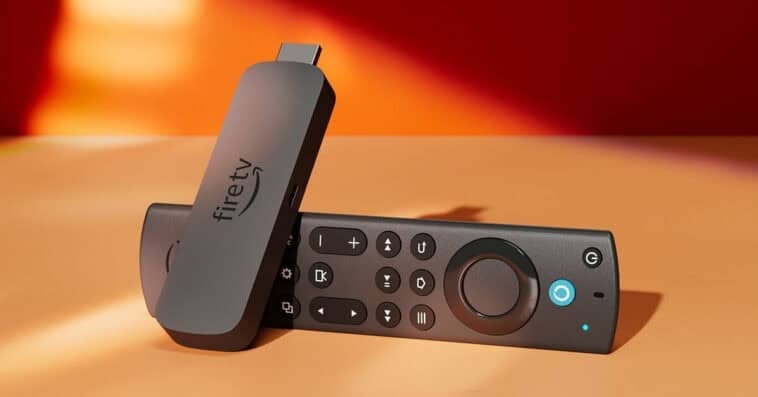
That reliable Fire TV Stick plugged into the back of your television might actually be a ticking time bomb, and a new legal battle suggests Amazon is holding the remote. A bombshell class action lawsuit claims the retail giant didn’t just stop supporting older models; it allegedly used stealthy software updates to intentionally “brick” them, leaving consumers with dead hardware and a forced choice: upgrade or lose access to their entertainment. Before you decide to finally replace your aging device, take a closer look at the mounting allegations against Amazon and decide for yourself whether your streaming stick is being quietly sabotaged from the inside out.
Why Amazon is being sued over older Fire TV Sticks
A new class action lawsuit accuses Amazon of orchestrating the premature death of its older streaming hardware. The suit alleges that the tech company intentionally disabled early-generation Fire TV Sticks by cutting off software support, even while still marketing them as tools for “instant” entertainment.
According to the legal filing, Amazon’s marketing for its first- and second-generation devices leaned heavily on the promise of providing seamless, immediate access to a massive library of streaming content. The plaintiff argues that these specific promises were the primary reason customers chose to buy the devices in the first place.
However, Merewhuader claims Amazon eventually stripped away or restricted vital software features, causing the hardware to lag, glitch, or fail entirely. The complaint refers to this as “bricking” — a process where a device is rendered functionally useless despite the physical components being perfectly fine.
The case highlights Merewhuader’s personal experience: after purchasing two second-generation units in 2018, he watched their performance steadily decline until they became inoperable. By 2024, he felt he had no choice but to buy newer versions.
The lawsuit further alleges a breach of trust regarding support timelines. While Amazon reportedly stopped updating first-generation sticks in late 2022 and second-generation models soon after, the plaintiff contends the company had previously suggested support would remain active through at least 2024.
Amazon accused of ‘software tethering’ to shorten Fire TV Stick lifespan
The lawsuit brought by Merewhuader contends that Amazon kept customers in the dark about a critical flaw: the fact that the “core streaming functionality” of their devices could be throttled or entirely removed long before the hardware itself wore out. Rather than providing refunds or solutions for those left with failing tech, the complaint alleges Amazon simply steered frustrated users toward its newest, more expensive models.
At the heart of the legal argument is the concept of “software tethering.” This describes a scenario where a gadget’s usefulness is tied to a digital umbilical cord controlled by the manufacturer. By cutting that cord, the lawsuit claims Amazon effectively shortened the lifespan of the devices, turning a one-time purchase into a product with a hidden expiration date controlled by the company.
The filing also highlights growing alarm from federal regulators regarding how tech giants use mandatory software updates to gatekeep or restrict products that people supposedly own.
Invoking California’s consumer protection statutes and alleging a breach of contract, Merewhuader is pushing for a nationwide class action. The suit seeks to represent everyone in the U.S. who bought a first- or second-generation Fire TV Stick, demanding that Amazon provide damages and restitution for the lost value of the devices, injunctive relief to stop these practices, and direct compensation for all affected consumers.
Source: Top Class Actions