
While Sony prepares to pull the plug on physical game discs entirely by 2028, sparking fierce backlash from collectors and loyal fans who refuse to see their shelves go bare, its biggest rival is taking a completely different path. Nintendo has firmly committed to keeping cartridges and physical media alive, betting that giving players a real, tangible choice will pay off while the rest of the industry races into a cloud-based, digital-only unknown. If you thought the battle of the consoles was already decided, read on to discover why Nintendo thinks its competitors are making a mistake, and why your game shelf might just survive after all.
Nintendo says physical games are here to stay
Sony’s reported plan to stop releasing new PlayStation games on physical discs starting in January 2028 has sparked debate among gamers who value owning physical copies of their favorite titles. For collectors, boxed games offer more than a way to play. They provide something tangible to keep, display, trade, or share with other players.
Nintendo, however, appears to have little interest in following that path. Bill van Zyll, the company’s vice president and general manager of Nintendo Latin America, says physical games will remain part of its business for the foreseeable future.
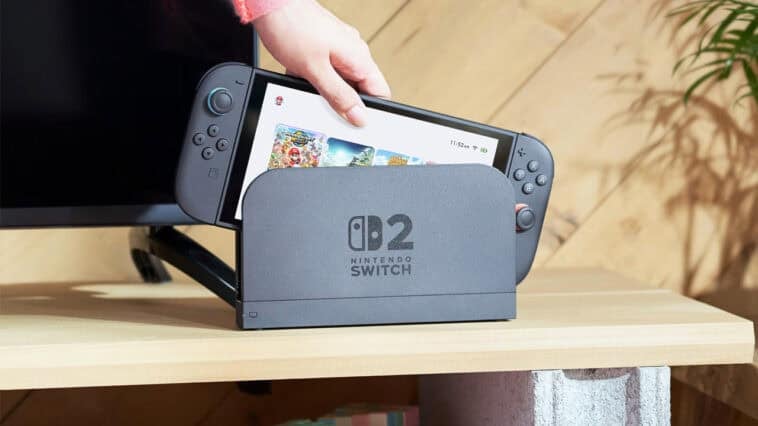
Speaking about the company’s approach, van Zyll explained that Nintendo considers consumer preferences when deciding how to distribute its games. He also pointed to the Nintendo Switch 2, which supports both physical and digital purchases.
“Historically, we’ve been very agnostic, right?,” van Zyll said. “We go off what the consumer prefers, and take that into account very heavily. We also have a platform that was just launched. We’re barely just over a year into NS2. It’s got both digital and physical – that capability. There’s no plans to ditch physical. We know how much the fans like it as well, so our position has been to be agnostic.”
The statement offers reassurance to players who prefer buying cartridges or boxed editions instead of downloading games. Rather than committing exclusively to one format, Nintendo says it intends to let customers decide how they want to build their game libraries.
Sony’s digital-first approach draws criticism
Sony’s reported move toward digital-only releases has put the spotlight on a growing divide in the gaming industry. Digital purchases offer convenience, eliminating the need to store discs or switch between games physically. However, players who favor physical copies worry about losing an important part of the gaming experience.
Shuhei Yoshida, former president of Sony Interactive Entertainment, has expressed a different perspective. He says he personally prefers digital games and does not see the same appeal in maintaining a collection of physical discs.
“But personally, I’m a totally digital consumer,” Yoshida explained. “I don’t want to manage discs or swap discs. I want all my games on my dashboard, and I just select a game and play it. So, I’m completely digital.”
Yoshida also questioned whether physical copies offer a significant advantage when modern games frequently require additional downloads after purchase.
“Even with physical disc games, in most cases, developers are constantly updating and adding game data anyway. Anyone who chooses to purchase a physical version will still need to download new patches, DLC, or updates. So, not having a disc, I don’t understand if it’s such a big issue.”
However, this convenience does not necessarily replace everything physical games offer. Collectors may value original packaging and artwork, while other players prefer having a copy they can lend, resell, or keep on a shelf. The growing debate shows that convenience is not the only factor influencing how people buy games.
Nintendo keeps physical releases in its lineup
Nintendo’s commitment to physical media is particularly relevant as it continues supporting the Switch 2 with new games. Because the console accommodates both formats, players can choose digital downloads or physical releases according to their preferences.
Major upcoming titles are also expected to help maintain interest in physical purchases. The Legend of Zelda: Ocarina of Time, for example, is cited as a November release that will be available physically.
For Nintendo, keeping both options available could help preserve its relationship with longtime fans while still serving players who prefer digital libraries. Its approach also leaves room for customers to change how they buy games without forcing everyone toward a single format.
Whether Sony’s reported strategy proves successful remains to be seen. But Nintendo’s current position sends a clear message: physical games still have a place in an industry increasingly shaped by digital distribution. For players who enjoy owning the games they buy, that choice may be just as important as the games themselves.
Source:
Men’s Journal