
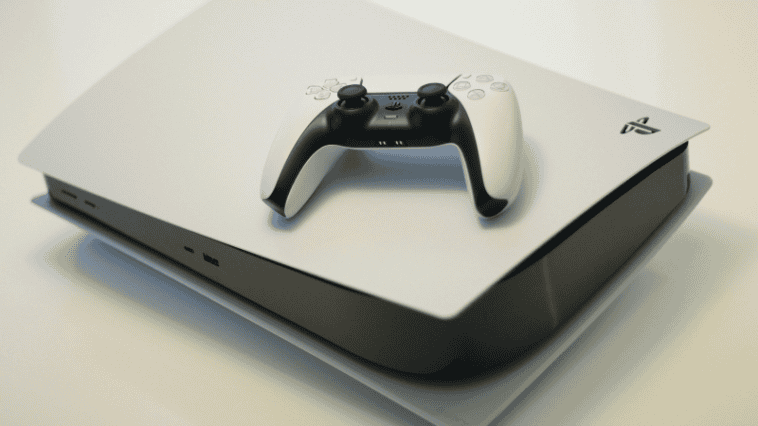
Sony is receiving $508 million back in tariff refunds from the U.S. government, yet PlayStation buyers who paid the inflated prices will get none of it
The refunds are a result of the Supreme Court’s 6-3 ruling on Feb. 20 in Learning Resources, Inc. v. Trump, which states that under the IEEPA (International Emergency Economic Powers Act), the President has no authority to impose tariffs.
The decision opened up somewhere between $133 billion and $175 billion in industry-wide import duties for reimbursement.
Financial windfall meets price hikes
On its July 31 earnings call, Sony CFO Lin Tao told investors that the company expects roughly ¥80 billion in refunds for the fiscal year (April 1 to March 31), with about 70% (near $356 million) already collected in the April-June quarter. Most of the total benefits are set to go into the gaming division.
The timing is telling: Sony hiked the PS5 price over the same stretch. The base console was sold for $500 in early 2025 and was increased to $550 that August. The prices then hit $650 in April 2026, an increase that came two months after the court’s ruling.
Meanwhile, Sony’s operating income for its Game & Network Services (PlayStation) segment rose 37% year-over-year to ¥202 billion for the first quarter (ending June 30, 2026), driven largely by the refund.
Customers ended up filing a class action lawsuit with the complaint calling the refunds a ‘double recovery,’ effectively allowing Sony to raise prices to cover tariffs while also collecting reimbursement amounts on those same tariffs.
Sony moved to dismiss the suit on September 1, arguing that its pricing history contradicts the claim. “If tariffs were the cause of the price increases,” the filing notes, “one would expect [PlayStation] to lower prices once the tariffs were eliminated—not raise them again. Instead, the timeline confirms that the pricing of PlayStation consoles includes a diverse and dynamic set of input costs.”
Nintendo filed something nearly identical on July 20. Microsoft followed suit on August 21. Every version runs the same argument: buyers got the product they paid for, and nothing in the law says tariff refunds have to travel downstream.
Justice Brett Kavanaugh saw this coming. Nevertheless, in his main dissent regarding the ruling, he wrote that the government “may be required to refund billions of dollars to importers who paid the IEEPA tariffs, even though some importers may have already passed on costs to consumers or others.”
Sources: Sony, Cornell Law School, PlayStation, Kotaku, Vox, Gizmodo