
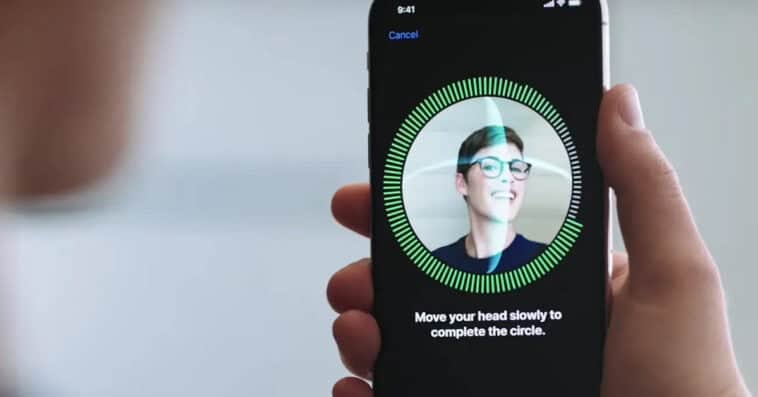
Millions of iPhone users could be in line for cash payouts after Apple was hit with a new lawsuit over its Face ID technology — but the allegations go far beyond facial recognition. The class action claims the tech giant may have been scanning users’ eyes without properly disclosing it or obtaining the consent required under Illinois law, raising fresh questions about how much biometric data your iPhone is really collecting. If the case moves forward, it could become one of Apple’s biggest privacy battles yet, with billions of dollars potentially on the line.
Apple hit with new lawsuit over privacy claims
Apple is once again at the center of a legal battle over biometric privacy, with a newly filed class action lawsuit accusing the company of collecting more sensitive data from iPhone users than it discloses. The complaint, filed on July 4 in the U.S. District Court for the Northern District of Illinois’ Western Division, alleges that Apple’s Face ID system scans users’ irises or retinas during identity verification without obtaining the specific consent required under Illinois law.
The lawsuit was brought by attorney Blake Hunter Yagman of Yagman PLLC on behalf of DeKalb County resident Samantha Mettler. If the case is certified as a class action, it could eventually include millions of Illinois Apple users, potentially exposing the tech giant to billions of dollars in damages.
Face ID concerns fuel Apple’s latest legal fight
Introduced with the iPhone X in 2017, Apple’s Face ID authentication system allows users to unlock their devices by recognizing their faces instead of entering a passcode. The feature has since become a standard security option across many iPhones and other Apple devices.
According to the lawsuit, Apple already requires customers to agree to facial recognition before enabling Face ID. However, the plaintiffs argue that the company’s disclosures do not go far enough under the Illinois Biometric Information Privacy Act (BIPA), which imposes strict requirements on the collection of biometric information.
The complaint argues that facial scans and eye scans are separate forms of biometric data and therefore require separate disclosure and consent: “… One such collection of one form of biometric information does not garner consent for the collection of another – as is the case here.”
The lawsuit further states: “While Apple does inform Plaintiff and Class members of the collection of facial template data for facial recognition purposes through the Face ID feature, it never discloses to users that it is collecting iris and retinal scans while doing so – which is an entirely different and additional form of biometric information collection which was not consented to.”
Why the plaintiffs believe eye scans are involved
A central argument in the complaint is that Face ID’s “attention awareness” feature requires Apple’s software to determine whether a user’s eyes are open and focused on the device before granting access.
To support that claim, the lawsuit cites Apple’s own technical documentation, which explains: “Face ID recognizes if your eyes are open and your attention is directed toward the device. This makes it more difficult for someone to unlock your device without your knowledge (such as when you are sleeping).”
Based on that description, the plaintiffs argue that the technology must necessarily analyze biometric information from the user’s eyes: “… This is not possible without monitoring the location of ones iris or retinal scans, it too is never disclosed to users – and it simply is not lawful under BIPA.”
Potential damages could reach billions
Illinois’ BIPA allows individuals to seek statutory damages of up to $5,000 per intentional or reckless violation. The plaintiffs argue that Apple failed to properly notify users about the alleged collection of iris and retinal data and did not obtain the consent required by the law.
Because Face ID has been available on Apple devices for years and is widely used across Illinois, the total financial exposure could climb into the billions of dollars if the lawsuit succeeds and is certified as a statewide class action.
Apple’s growing BIPA docket
The latest filing adds to Apple’s expanding list of lawsuits under Illinois’ biometric privacy law. The company is already defending multiple class actions alleging that its software improperly collected facial geometry from images stored in the Apple Photos app, as well as another case claiming Siri unlawfully captured and stored users’ voiceprints.
According to court records, those cases each involve as many as six million Apple users. Courts have already allowed those lawsuits to proceed as class actions, and they remain pending in Illinois courts.
Illinois’ biometric law continues to shape tech litigation
Since its enactment, the Illinois Biometric Information Privacy Act has become one of the country’s most influential privacy laws, generating thousands of lawsuits against employers and technology companies alike. Many cases accuse businesses of collecting biometric identifiers — including fingerprints, facial geometry, and voiceprints — without providing legally required notice or obtaining written consent before gathering the data.
The law has also produced some of the largest biometric privacy settlements in U.S. history, with companies including Meta and Google agreeing to pay hundreds of millions of dollars to resolve BIPA claims.
Whether the newest lawsuit against Apple follows the same path remains to be seen. For now, the case marks another closely watched test of how far companies must go to disclose the biometric information they collect — and whether Apple’s Face ID technology complies with one of the nation’s strictest biometric privacy laws.
Source:
The Black Chronicle