
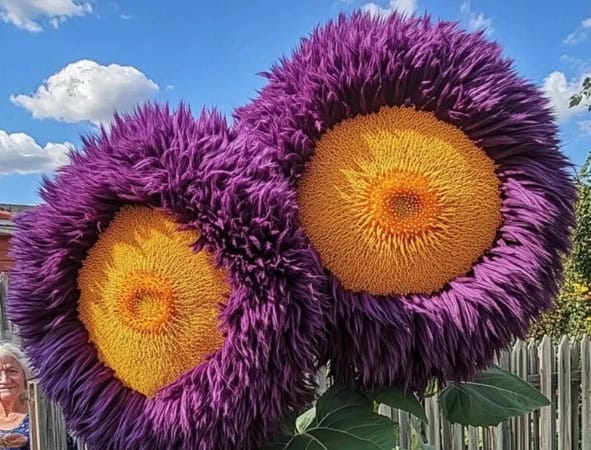
Photo editing has been helping shady sellers for years, but generative AI has taken things to another level. Instead of spending hours creating convincing fake product images, scammers can now generate thousands in minutes.
That is what is fueling a seed scam spreading online. According to experts, AI-generated images are fueling the sale of fake seeds on marketplaces like Amazon, eBay, and Etsy, tricking shoppers into buying plants that simply do not exist.
From Rainbow Roses to “Screaming Demon Shrimp”
Think giant purple teddy bear sunflowers, rainbow roses, blue watermelons, flowers shaped like cat heads, butterflies, and even something described as a “screaming demon shrimp.”
According to Anna Collard, SVP of Content Strategy and CISO Advisor at KnowBe4, generative AI has made these scams dramatically cheaper and easier to scale.
A single scammer can create thousands of convincing product listings without ever photographing a real plant or even possessing any seeds. They can then scatter those listings across multiple marketplaces and simply wait to see which fantasy flower captures the internet’s imagination.
By the time victims realize they’ve been scammed, it’s too late
Unlike buying a fake phone charger or counterfeit sneakers, fake seeds have one huge advantage for scammers: they take time. Sometimes weeks. Victims don’t discover something is wrong until they have planted the seeds, watered them, waited patiently… and absolutely nothing happens.
By then, the return window may have closed and the seller may have disappeared. As Collard puts it, the business model rides on that delay.
A gardening disappointment can turn into an account takeover
Experts warn there is another risk to think about here. When you buy from an untrustworthy seller, you’re also handing over payment details and account information. If you have reused the same password across multiple websites, that could become a much bigger problem than a packet of fake flower seeds.
“Once a scam listing is established and generating sales, it’s a natural next step for the same operator to route buyers through a fake or spoofed checkout page,” Anne Cutler, a cybersecurity expert at Keeper Security, pointed out.
Cutler recommends changing your password if you suspect you have purchased from a suspicious seller and have reused those login credentials elsewhere.
Spotting the red flags
Some of the listings are quite easy to spot once you keep your eyes out and do some research. Always reverse-image search whatever plant photos catch your eye to be sure it is sold by reputable nurseries. You can also protect yourself by using a payment method that offers buyer protection.
The seller’s history also matters. When a storefront sells rainbow roses, mushroom seeds, and novelty merch all at once, that’s probably your cue to keep scrolling.
Source: Cybernews