
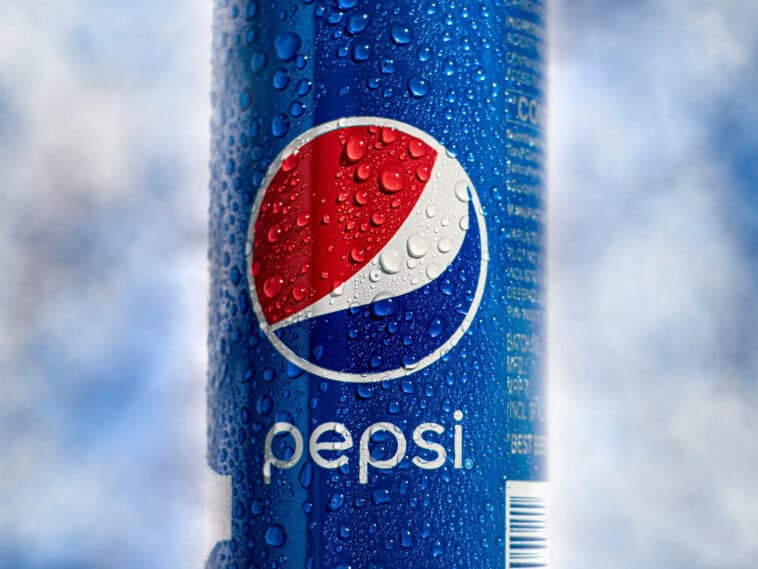
Major beverage companies, including The Coca-Cola Company, PepsiCo, and Keurig Dr Pepper, are adding QR codes to their packaging as part of a new transparency push designed to tell consumers more about what’s actually in their drinks. The initiative is part of the beverage industry’s new Good to Know program, launched by the American Beverage Association.
By scanning a QR code on participating drinks, consumers will be able to access information explaining what specific ingredients do, why they are included in beverages, which products commonly use them, and how regulators around the world evaluate their safety. The database currently includes information on roughly 140 beverage ingredients. PepsiCo has already connected its products to the platform, while others will expand the system across their portfolios by the end of 2027.
It’s about more than just calories
Food labels already tell consumers what ingredients are inside a product. The new system is meant to answer the next question many shoppers have about what they are really consuming. As Kevin Keane, president and CEO of the American Beverage Association, pointed out, consumers increasingly want context, not just long ingredient lists filled with unfamiliar names.
One notable aspect of the Good to Know platform is that it does not rely solely on industry explanations. According to the American Beverage Association, the database links users directly to assessments from organizations such as the U.S. Food and Drug Administration, Health Canada, and the European Food Safety Authority. Industry officials say the goal is to let consumers view safety assessments directly rather than relying solely on company explanations.
The QR code era is spreading across grocery stores
Beverage companies aren’t alone. The Consumer Brands Association is also expanding its SmartLabel program, which already allows shoppers to scan QR codes on thousands of products for detailed ingredient information. That program already covers more than 106,000 products from over 1,000 brands.
Source: FOOD DIVE