
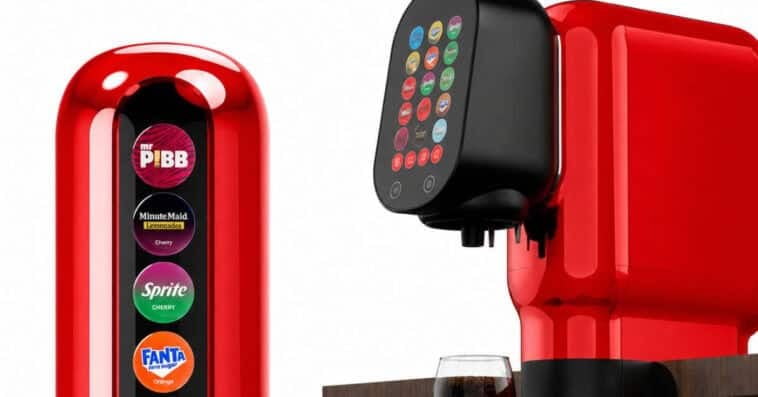
The familiar soda fountain lineup is getting a high-tech companion. As part of a broader effort to modernize its equipment portfolio, the Coca-Cola Company is rolling out a new generation of Freestyle-powered technology designed to deliver more flavors, smarter customization, and faster service across a wider variety of venues.
While traditional dispensers remain essential for many high-volume environments, Coca-Cola is expanding its portfolio for venues where consumers crave more than the old-fashioned ‘one-button-per-drink’ experience. With sleek touchscreen dispensers offering hundreds of combinations, this latest innovation isn’t just about flashy screens – it’s a move that could reshape how restaurants serve drinks in the years ahead.
How Coca-Cola Freestyle revolutionized fountain drinks
When The Coca-Cola Company introduced Coca-Cola Freestyle in 2009, the machine immediately stood out for its ability to serve more than 100 drink combinations from a single dispenser. Unlike traditional soda fountains that rely on bulky syrup bags and fixed flavor selections, Freestyle uses compact cartridges filled with concentrated ingredients alongside precision micro-dosing technology to create beverages instantly with every pour.
The system quickly transformed the beverage experience in restaurants, theaters, and fast-food chains because it allowed businesses to offer a massive range of flavors without installing rows of separate fountain machines. Customers could customize drinks in ways that were previously impossible, mixing flavors and discovering new combinations with just a few taps on a touchscreen.
From data points to real-world products
But over time, Coca-Cola realized Freestyle’s biggest innovation was not simply variety — it was data. Every selection made on the machine provides insight into what consumers are craving in real time, giving the company a direct look at emerging flavor trends across thousands of locations worldwide.
That information has dramatically accelerated the pace of beverage innovation. While developing a new drink traditionally took well over a year, Freestyle data now helps Coca-Cola turn ideas into market-ready products in as little as 90 days. Using this system, the company successfully launched flavors like Fanta Crimson Sour Cherry at White Castle and Sprite Loco Lime at Wingstop in under three months from concept to release.
“With live data from roughly 11 million servings per day, Coca-Cola Freestyle is the largest, live consumer taste test in the world,” said Megan Tallman, Vice President, Foodservice Innovation and Equipment, North America Operating Unit, The Coca‑Cola Company. “No other company has the real-time insight into exactly what consumers are choosing nor the ability to use that same equipment to then craft and launch new drinks based on the trends we see emerging.”
Today, that connected ecosystem is helping shape Coca-Cola’s next generation of beverage dispensers — smarter, more adaptable machines built to respond faster to changing tastes while redefining the future of self-serve drinks.
Coca-Cola unveils next-gen Freestyle machines and new features
At the National Restaurant Association Show in Chicago from May 16–19, attendees will get an early look at The Coca-Cola Company’s newest generation of beverage equipment before it begins rolling out across the United States. The showcase highlights a major leap forward in how drinks are designed, served, and experienced, signaling that the future of fountain dispensing is becoming more flexible, more connected, and far more customizable than ever before.
Freestyle Equinox: A digital face-lift
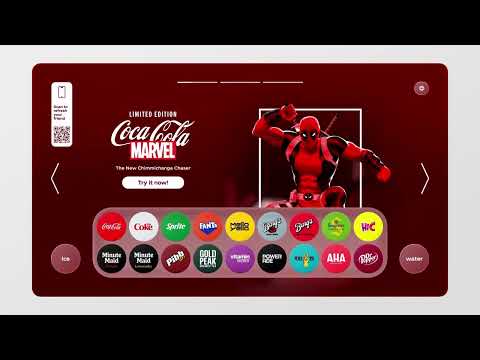
Launching on June 2026, Equinox represents the most ambitious user-interface overhaul in Freestyle history. It’s a complete reimagining of the consumer experience. The new interface uses immersive visuals to spotlight limited-time offers and unique blends, making the journey from craving to pouring faster and more interactive than ever before.
Freestyle Modularity: A system built to adapt anywhere
Coca-Cola is also introducing a modular approach to equipment design, allowing Freestyle components to be configured for different spaces, service models, and beverage needs. This “building block” system enables faster deployment of new machine formats, cutting development timelines from years to months.
New modular features include a remote non-nutritive sweetener system for high-volume operations, a self-cleaning nozzle, integrated cup and lid holders, and a bag-in-box (BIB) Weigh Station that gives operators real-time visibility into inventory levels, helping reduce guesswork and prevent out-of-stocks.
Freestyle Mini: Small footprint, big variety
Proving that size isn’t a barrier to variety, the Freestyle Mini is making its U.S. debut. Designed for the tightest hotel bars and cafes, this compact unit delivers the full Freestyle experience — holding 16 cartridges and two under-counter BIBs — in a space that previously could only accommodate a basic bar gun.
Coca-Cola x Micro Matic: High-end mixology for the masses
In a strategic partnership with Micro Matic, Coca-Cola is introducing a dispenser that blurs the line between a soda fountain and a craft bar. This system goes beyond carbonation, allowing crew members or guests to layer sodas, coffees, and teas with dairy and alternative dairy options. It brings a “craft-quality” drink menu to a self-serve environment, ensuring consistency at scale without needing a professional barista on staff.
‘Hydrous’ design language
To tie this diverse fleet together, Coca-Cola is introducing Hydrous, a unified visual identity. Whether a consumer approaches a full-size Freestyle unit or a modular countertop model, they will encounter the same sleek design language. This consistent branding ensures that the quality of the experience is recognizable before the first drop is even poured.
Source: QSR
Editor’s Note, May 14th, 2026: This article has been updated to clarify that while The Coca-Cola Company is expanding its digital and modular equipment offerings, traditional soda fountains remain a core part of its total beverage dispensing portfolio to meet the diverse needs of different restaurant environments.