
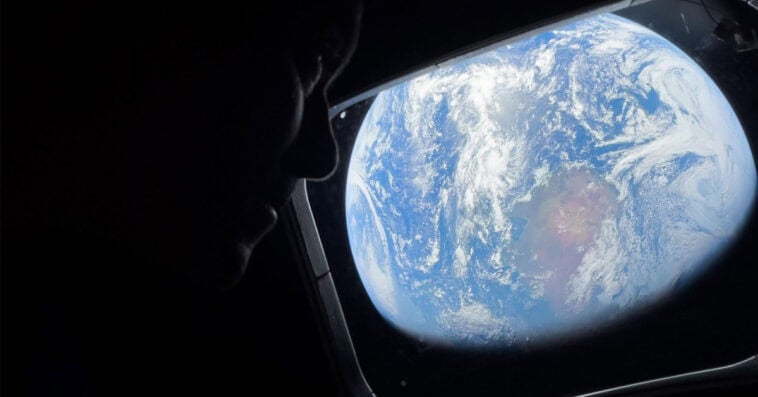
Some of the most jaw-dropping images from NASA’s ongoing moon mission weren’t captured by multi-million-dollar specialized sensors—but by a smartphone. As Artemis II pushes human exploration farther into deep space than it has gone in decades, NASA has started releasing a stunning collection of photos from the mission, including snapshots taken by the crew using the iPhone 17 Pro Max. From sweeping views of Earth to rare, human-perspective glimpses of space, these images blur the line between cutting-edge science and everyday technology, offering a view that feels both extraordinary and surprisingly familiar. But there’s more to these shots than meets the eye—read on to discover exactly what the crew captured and how a consumer device made its way onto one of NASA’s most critical missions.
Artemis II’s ‘shot on iPhone’ campaign
Long before the Artemis II mission cleared the launchpad, NASA made a surprising addition to the crew’s official manifest: a fleet of iPhone 17 Pro Max devices. Now, as the historic journey unfolds, the first wave of imagery from that deep-space hardware has finally made its way back to Earth.
The agency’s recently debuted Journey to the Moon web gallery offers a fascinating look at life inside the Orion capsule. While the astronauts are equipped with “legacy” gear — including 2016-era Nikon DSLRs and decade-old GoPro units — the bulk of the candid, cabin-side imaging duties have fallen to their modern smartphones.
Interestingly, NASA is keeping the specific technical details of these photos close to the chest. While a few images in the gallery retain metadata identifying them as Nikon shots, the vast majority of the files have been stripped of their digital fingerprints. This scrubbing makes it impossible to verify the exact lens or sensor used for each frame. However, given the sheer number of iPhones onboard and the consistency of the resolutions, it is highly likely that the “everyday” device in your pocket is responsible for the lion’s share of the documentation.
The current image collection offers a dual perspective of the mission. There are candid shots of the crew navigating the tight quarters of the Orion cabin as they manage critical mission tasks, and there are also breathtaking photos of Earth hanging in the void, captured through the spacecraft’s high-durability observation windows. You can see some of the photos believed to have been taken on an iPhone below:
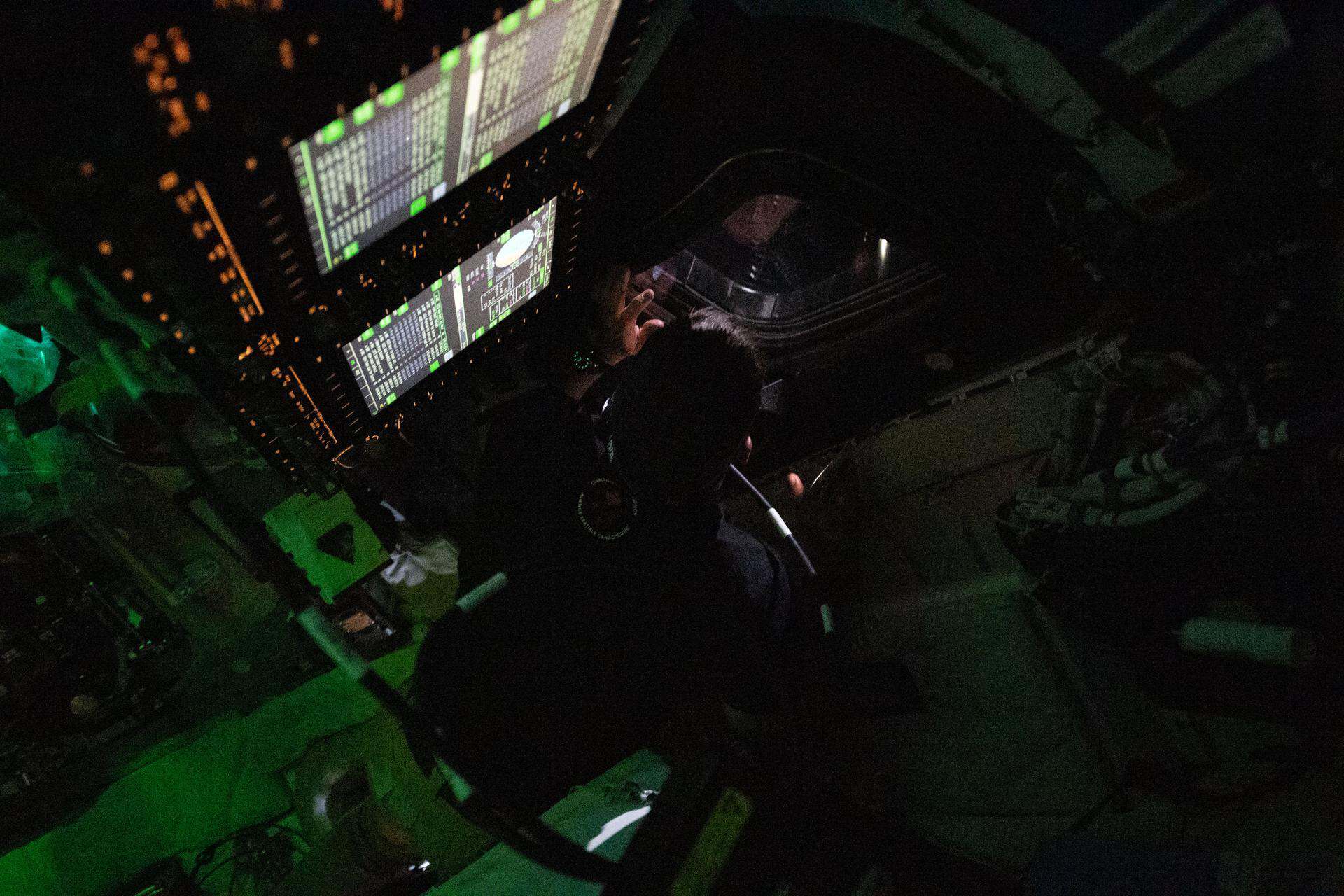
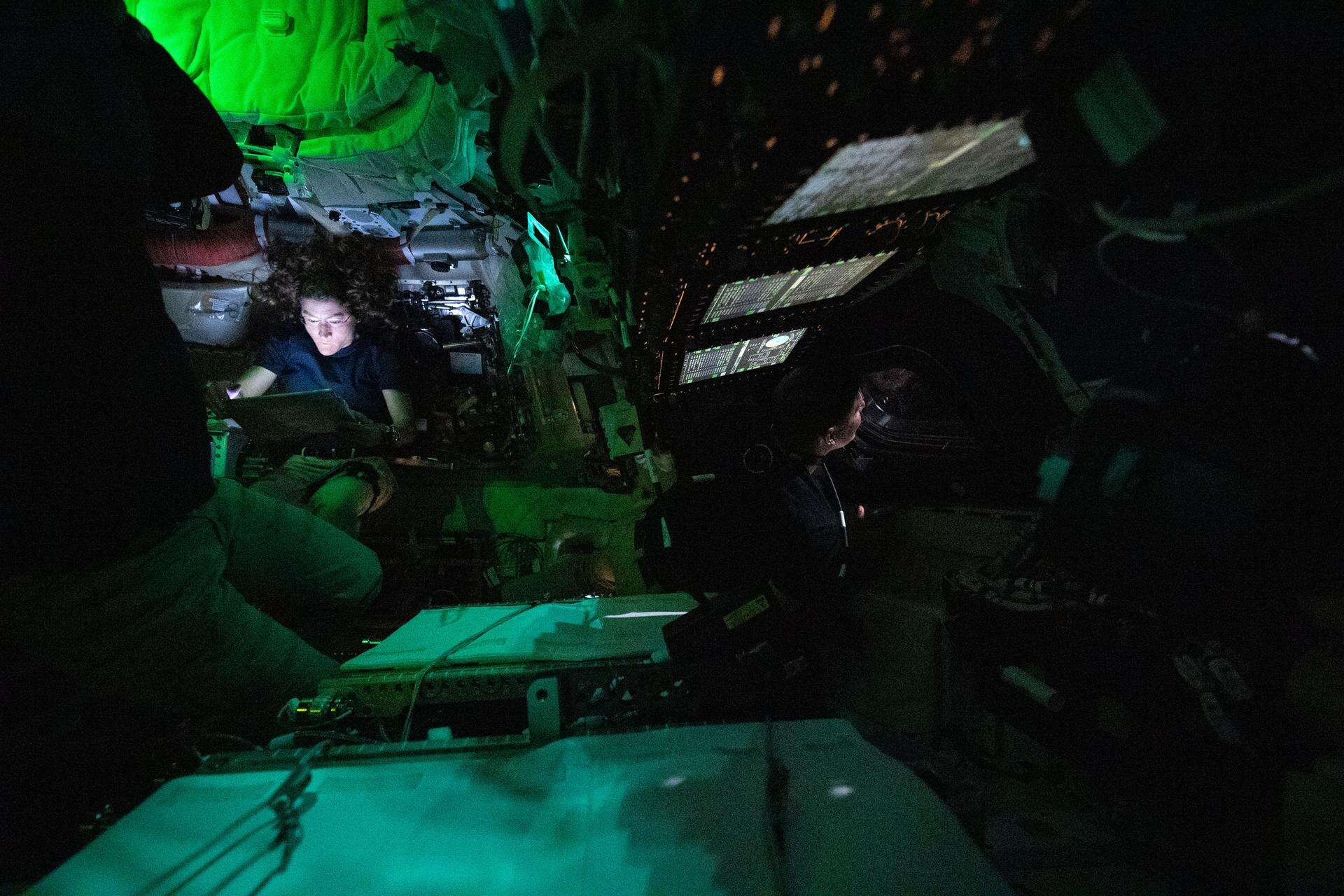
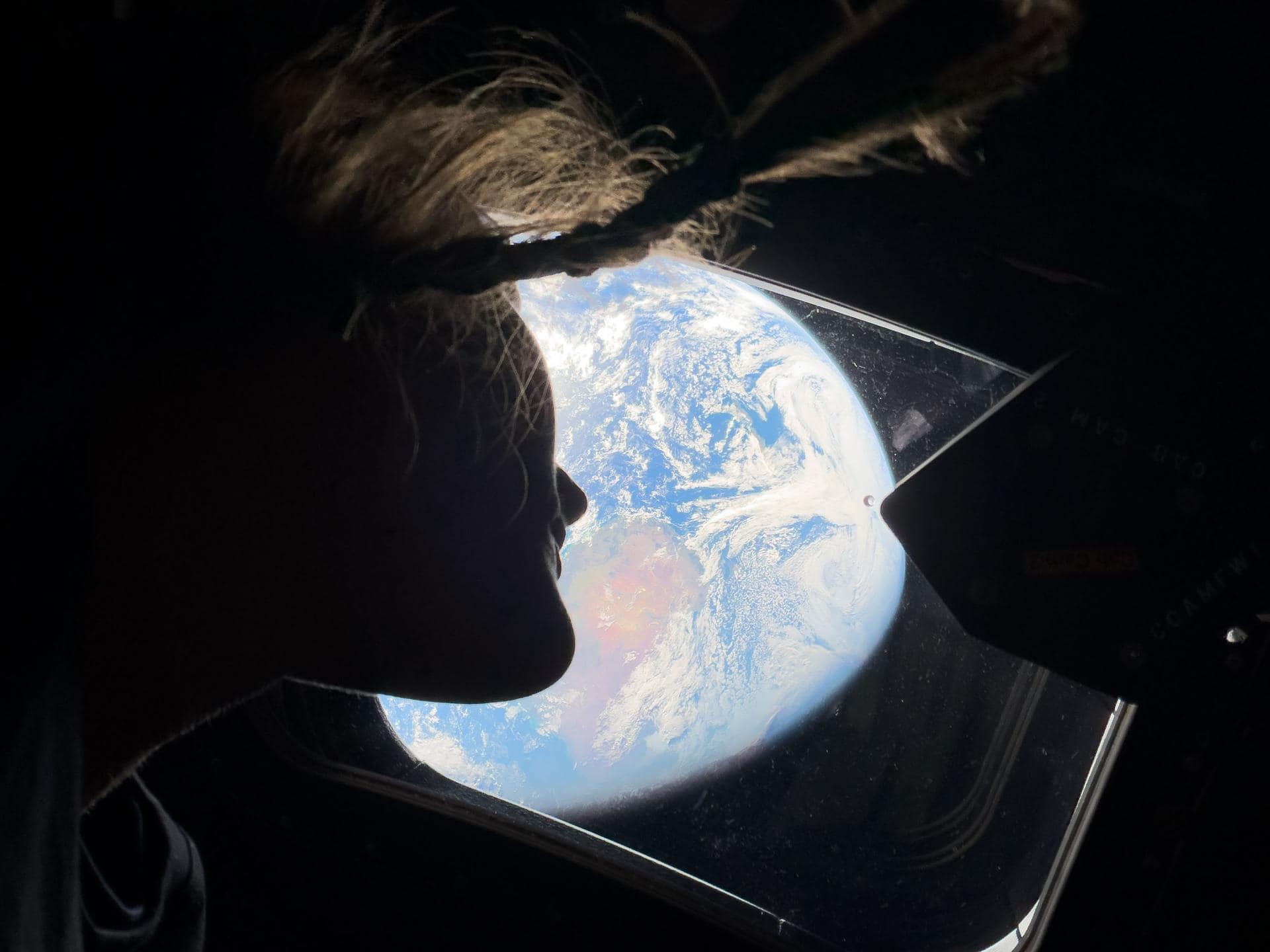
While the mission is still technically a scientific endeavor, the crew has already achieved a unique cultural milestone. By documenting their trek with consumer hardware, they have basically produced the highest-altitude “Shot on iPhone” gallery in human history.
How the iPhone finally conquered the final frontier
Before an iPhone could ever join the Artemis II manifest, it had to survive a gauntlet of “space-proofing” that would break most consumer electronics. NASA’s rigorous testing protocols are legendary for their intensity — a purgatory where devices are screened for battery fire risks, chemical outgassing, radiation resistance, and performance in high-pressure vacuums. For the iPhone, this also meant engineering specific mitigations for shatter hazards like broken glass, which could be lethal in a zero-gravity cabin.
For NASA Administrator Jared Isaacman, the push to get smartphones into orbit isn’t just about better cameras; it’s a strategic strike against “requirement bloat.” This refers to the mountain of decades-old bureaucratic red tape that often keeps space technology decades behind the world below.
Isaacman is pushing his team to question whether rigid, legacy protocols are still serving a purpose or are simply a habit. By fast-tracking modern hardware, NASA is signaling a shift toward operational urgency.
While astronauts have long used professional-grade cameras to capture the Earth from the International Space Station (ISS), the smartphone offers something a bulky DSLR cannot: speed. In the high-stakes environment of a lunar mission, split-second events — like a rare atmospheric phenomenon or a breakthrough in a complex experiment — can be over by the time an astronaut grabs a traditional camera. Having a high-end lens in their pocket allows the crew to begin recording in seconds, ensuring that no blink-and-you-miss-it moment goes undocumented.
Interestingly, the iPhone isn’t a total stranger to zero-G. As far back as 2011, two iPhone 4s units hitched a ride on the final Space Shuttle mission (Atlantis), though it remains unclear how extensively they were used.
Meanwhile, private space pioneers — including passengers on Isaacman’s Polaris and Axiom missions — have been bringing their personal smartphones into orbit for years, proving the tech’s durability long before the official paperwork was signed.
Source: Apple Insider, NASA