
Product recalls have become a standard part of the American consumer experience, with thousands of products pulled from shelves in the U.S. every year. While most of these notices are legitimate safety warnings about faulty electronics or contaminated food, this near-constant stream of alerts has created the perfect smokescreen for a new wave of fraud.
Scammers have figured out that people pay attention to this sense of urgency, and are now using fake safety warnings to bait their latest traps.
How the Trap is Set
Fake recall notices show up as text messages, designed to look like they’re coming from Amazon or other major retailers. The message would say something along the lines of “the product you’ve purchased has been recalled”. It even includes an order number and asks you to open a link for further details or refund options.
Clicking the link leads to a fake Amazon login page designed to steal your credentials, personal and financial information, or full account access, which could result in unauthorized purchases or identity theft.
One such customer nearly did. According to Consumer Reports, Taylor Frost Smith received a text claiming to be an Amazon Product Recall Notice for a December purchase. Something felt off to her, though, especially when the message claimed the recall affected only eighteen people from Amazon.
Instead of clicking, she opened the Amazon app and asked the platform’s AI tool Rufus whether the recall was real. It told her that there was no such recall, and the text was likely a phishing scam.
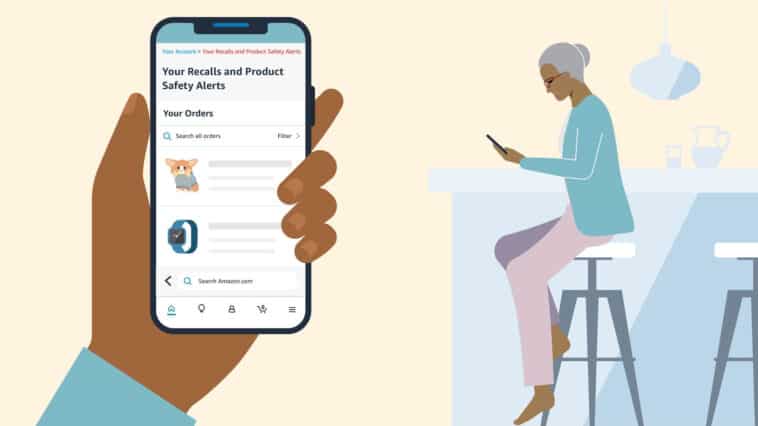
That’s essentially the right move to make. Amazon states it will never send unsolicited text messages with links directing you to take action on recalls or refunds. You need to go directly to the app or website where you bought the product and not open anything in the message.
Legitimate recalls are listed at recalls.gov and CPSC.gov. Amazon and most major retailers also post safety notices directly on their platforms. If you registered a product when you bought it, actual recall notices come by mail or to the email on file with the manufacturer.
The scam works because recalls are real and people take them seriously. A message with a plausible reason to act and a link to click is a reliable trap. Checking the source directly is the only way to tell the difference.