
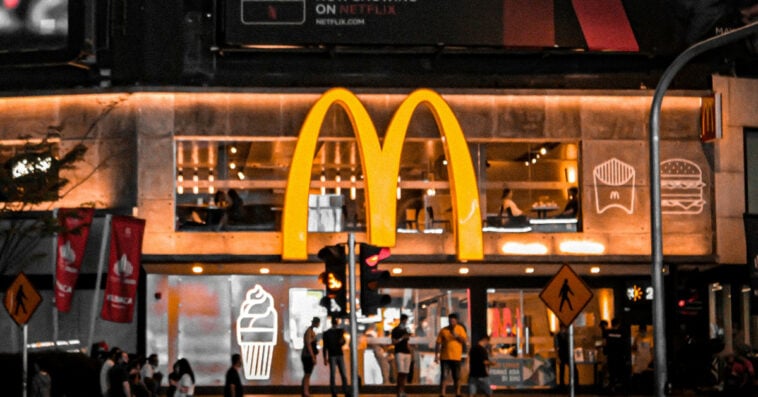
As McDonald’s rolls out its cheapest value menu in years, the move raises more than just appetites. It shines a spotlight on the economic squeeze facing millions of Americans. With $3 meals and $4 breakfast bundles set to hit stores this April, the fast-food giant is betting that affordability will lure back budget-conscious diners who have been tightening their belts amid persistent inflation. But is this just a savvy marketing tactic, or a signal of deeper financial stress gripping lower-income households? From K-shaped economic trends to social media buzz predicting a looming recession, McDonald’s latest menu may reveal as much about the nation’s wallets as it does about its taste buds.
Why McDonald’s is slashing prices in 2026
While McDonald’s reported rising sales in its most recent quarter, leadership is far from complacent. During a February earnings call, executives admitted that the fast-food landscape has cooled significantly and would likely “remain challenging” in 2026. The core issue? A widening gap in the “K-shaped” economy. Even though McDonald’s made some headway with lower-income diners late last year, that specific demographic is now retreating under the persistent weight of multi-year inflation.
In a direct response to this cooling demand, CEO Chris Kempczinski signaled a pivot toward deep discounting to reclaim the brand’s reputation for thrift. “McDonald’s is not going to get beat on value and affordability,” Kempczinski asserted during last month’s call.
To back up this promise, the chain is reportedly readying an April rollout of a tiered value system. According to The Wall Street Journal, the new strategy includes:
- Under-$3 Staples: Items like the 4-piece Chicken McNuggets and Sausage Biscuits will be priced at $3 or less.
- The $4 Breakfast Bundle: A high-value morning featuring a McMuffin, hash brown, and coffee, among other offerings.
This new structure marks a significant departure from the “McValue” platform introduced in January 2025. That previous iteration focused on an “add-on” model — allowing customers to snag a second item for $1 with a full-priced purchase — but the upcoming April menu shifts the focus back to standalone, rock-bottom entry prices to lure budget-conscious diners back to the drive-thru.
Mark Wasilefsky, head of restaurant and franchise finance at TD Bank, explained to Fortune that winning this demographic requires a precise formula. According to Wasilefsky: “Lower-priced options, when chosen carefully, priced at an acceptable level, and marketed aggressively, create perceived value and can generate a long-term customer.”
By focusing on these $3 and $4 entry points, McDonald’s isn’t just looking for a quick sale. It’s attempting to build long-term brand loyalty in an era where every dollar in a consumer’s wallet is being fought over more fiercely than ever.
While McDonald’s leadership frames this pricing pivot as a nostalgic return to their affordable roots, market analysts and social media sleuths are reading between the lines. The sudden urgency for a $3 menu is being viewed by some as an economic “canary in the coal mine.” On platforms like X, the news has sparked viral anxiety, with a post from prediction market Kalshi generating millions of views and prompting users to speculate that a recession scenario is unfolding.
The challenge for the Golden Arches isn’t just about the price of its offerings; it’s about the psychological state of the American consumer. Recent data suggests a deep-seated pessimism that the $3 value menu might not be able to fix:
- Current outlook: A recent Pew Research study reveals that 72% of Americans view the current economy as either “fair” or “poor.”
- Future fears: Nearly 40% of respondents anticipate that conditions will deteriorate over the next year, significantly outnumbering the 31% who expect an improvement.
In this climate, the ability to slash prices without destroying profit margins has become a major competitive advantage. According to Mark Wasilefsky, head of restaurant and franchise finance at TD Bank, the current squeeze is a trial by fire for major chains. He notes that for companies with the scale to handle these discounts, the reward is more than just a single transaction; it is about claiming a permanent spot in a tightening household budget.
Wasilefsky told Fortune: “For those brands who can afford to do so, this is an excellent time to convince existing customers and new customers of your brand’s value and its right to have a share of your shrinking wallet.”
Ultimately, McDonald’s is betting that affordability will trump anxiety—but as consumer wallets continue to shrink, the fast-food giant is fighting an uphill battle against a public that is increasingly hunkering down for economic pain.
Source: Fortune