
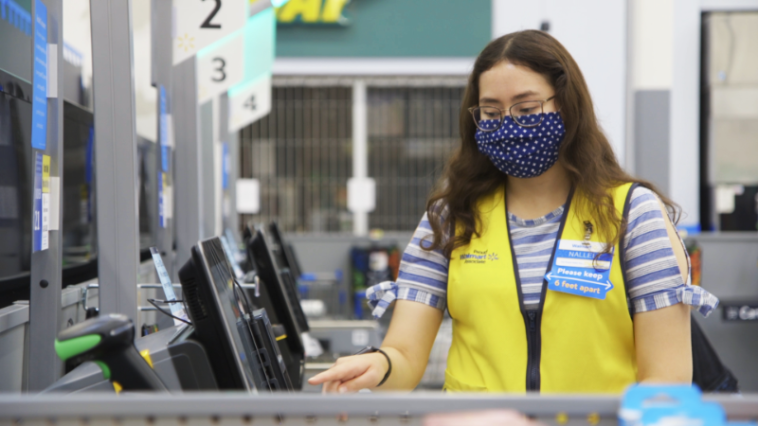
Weekly grocery runs have turned into a coin flip for a while now. There are times when you’re able to glide through billing in minutes, and other days, you’re trapped in a standoff with a self-checkout machine that refuses to acknowledge your bag of apples—twenty minutes and counting.
Now it looks like the corporate office has finally caught on to the fact that shoppers are tired of being their own unpaid cashiers. Walmart shoppers will start seeing changes in 2026, and some of them are already showing up.
A New Blueprint for the Weekly Run
In certain stores, self-checkout lanes have been reduced or removed altogether. Although the company hasn’t said it’s abandoning self-checkout, the rollout has clearly slowed. Stores that once leaned heavily on machines are bringing back more staffed lanes after years of complaints about theft and broken scanners.
This shift alone is changing how long people wait to pay. In some locations, lines are moving more slowly as more shoppers are directed to manned lanes during peak times. In others, employees stationed closer to checkout areas tend to provide quicker help, prevent bottlenecks, and keep things flowing better, but results seem to vary by store traffic and personnel.
According to customer feedback on social media, Reddit, and retail reports, shoppers appear to be divided on the change. While some are attached to the staffed lanes because they cause less frustration from tech glitches and provide more personal assistance, others miss the convenience of self-checkout, especially for quick, small purchases. They also take issue with the longer wait times.
More Than Just a Faster Exit
Walmart is also expanding its use of artificial intelligence inside stores and through its app. The company has introduced a shopping assistant called Sparky, which can suggest products, surface reviews, and help locate items. The GenAI assistant is designed to learn how customers shop and respond with subsequent recommendations as they move through the store or browse on their phones.
The app-based features are tied closely to spending. The retail chain has said customers who use the app while shopping tend to spend more than those who don’t.
Prices are getting a new look, too. Digital shelf labels are being installed across thousands of U.S. locations, replacing traditional paper tags. The system allows employees to update prices quickly, sometimes within minutes. Walmart says the change saves time and reduces errors. Critics worry it also makes frequent price changes easier to implement.
Food shelves are changing as well. Walmart plans to remove synthetic dyes and certain additives from many of its private-label products, including lower-priced grocery items. The move follows an overall federal push to phase out petroleum-based food dyes. Walmart has not said whether reformulating products will affect prices.
For customers, though, the differences won’t come from a single announcement. They’ll show up in shorter self-checkout rows, more app prompts, digital price tags, and grocery aisles that look slightly different from what they did before.
None of it requires shoppers to do anything new. But shopping at Walmart in 2026 won’t feel exactly the same as it did a few years ago.
Source: Money Digest