
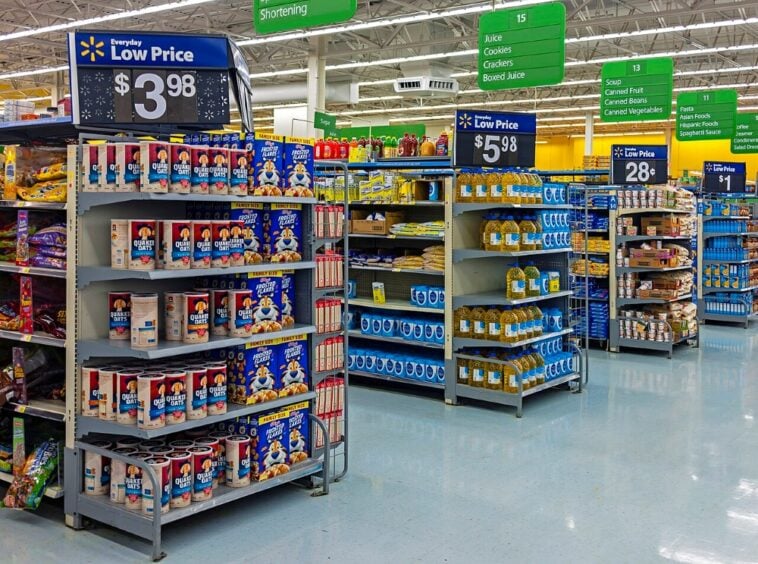
Walmart has been quietly replacing paper price tags with digital labels in thousands of stores since 2024. About 2,300 locations already use the electronic displays, according to the company. The rest of its U.S. stores are expected to switch over during the next year.
The change mostly affects how prices get updated inside the store. With paper tags, employees print new labels whenever something changes and then walk the aisles replacing them one by one. Digital labels remove that step. When a price update is approved, the shelf display updates through Walmart’s pricing system.
Another reason for the shift is accuracy. Price differences between shelf tags and the register can happen if a label isn’t replaced in time. Electronic labels help keep those numbers in sync.
The rollout has stirred up some debate. Labor unions such as the UFCW (United Food and Commercial Workers), consumer advocates, and a few lawmakers argue that electronic shelf labels could eventually foster frequent or dynamic price changes (sometimes called “surge” or “surveillance” pricing, based on demand, time of day, inferred income, and so forth).
Essentially, critics worry the change might lead to higher prices during peak hours and personalized prices for some shoppers. As a result, bills have been proposed in states like Tennessee and New York to restrict or ban the technology in grocery stores.
Walmart has pushed back firmly, reiterating that the system is not designed for dynamic pricing, doesn't track customers or collect personal data, and supports consistent, low everyday prices rather than rapid fluctuations.
The company insists that it plans to keep using its Everyday Low Price approach, where items cost the same for everyone shopping in the store, no matter when they shop or how busy it is, rather than fluctuating prices based on demand or other factors.
Sources: Walmart, UFCW, LiveNow Fox