
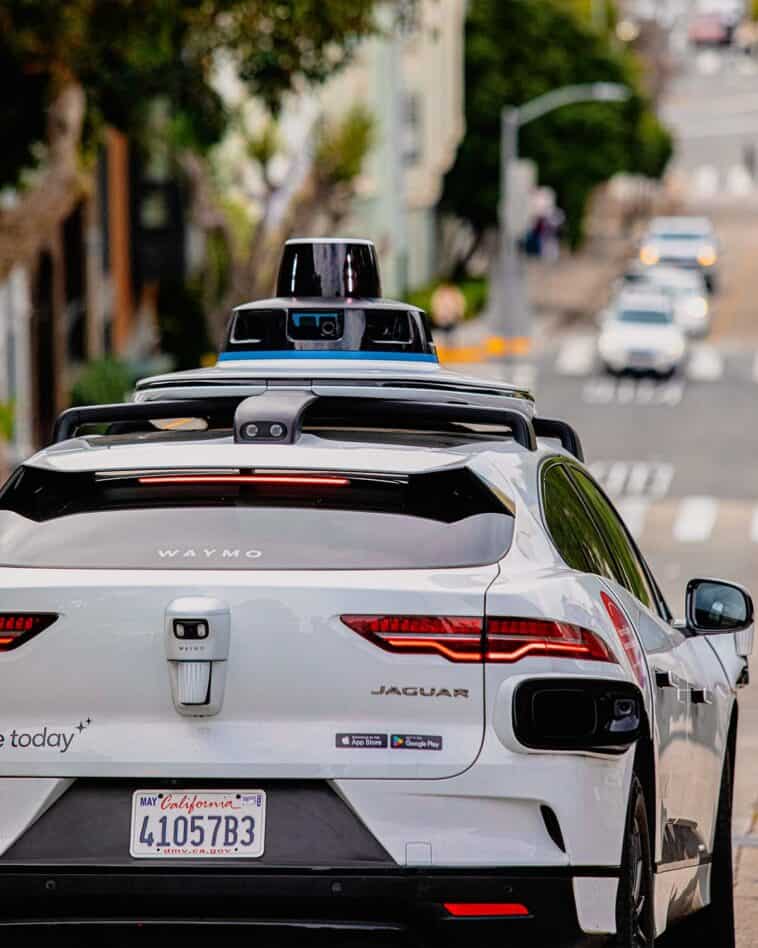
If you’ve hailed a ride in cities like San Francisco, Phoenix or Los Angeles recently, there is a pretty solid chance your driver didn’t have a steering wheel—or a human behind it. Waymo’s driverless Jaguar I-PACE EVs have quickly gone from sci-fi ideas to everyday traffic fixtures. However, while tech enthusiasts are loving the futuristic vibe and the quiet rides, real human drivers are warning that these autonomous vehicles are making huge dents in their pay.
Human rideshare workers are speaking out, and it’s not pretty. They are reporting that the rapid expansion of driverless vehicles is tanking their earnings, slashing ride requests and pushing them toward a financial tipping point.
Long waits, lower pay and group chat receipts
For years, gig workers treated ride-hailing as a reliable way to make a living or maybe just as a side hustle to supplement their income. Today, those same drivers report that ride request volumes have plummeted in markets where self-driving vehicles operate heavily.
Rides that used to form the backbone of a driver’s shift, like short downtown hops, airport runs and late-night weekend routes, are increasingly being routed straight to autonomous vehicles.
Human drivers say they are getting hit with a double whammy: lower base payouts per mile alongside fewer overall ride offers.
According to the Atlanta Rideshare Drivers Union (ARDU), Uber and Lyft drivers across the city are fed up. Union representatives report that since Waymo’s arrival, drivers have been hit with lower pay, fewer available fares and significantly longer wait times between trip requests.
While the union hasn’t collected hard statistical data yet, members cite widespread complaints backed up by screenshots of dropping earnings shared across driver group chats.
Adding insult to injury
What makes this situation particularly frustrating for drivers is the growing crossover between tech platforms. Uber and Waymo aren’t just competitors; they’re partners. While the robotaxis haven’t been completely error-free, their partnership with Uber makes it easy for Waymo to continue to take a steady bite out of the local ride market. Partnering with Uber allows passengers easy access to Waymo vehicles through the ridesharing app as opposed to ordering one with a real human driver.
For their part, riders often select or get assigned driverless cars for their perceived consistency, lack of tipping demands and just the novel tech appeal of a self-driving car.
For human drivers who helped build these platform networks from the ground up, watching the app route high-paying trips straight to driverless vehicles feels like being phased out by the very company they work for.
A proposed $1.00 fee solution to save driver jobs
In response to the growing crisis, ARDU is officially calling on city and state leaders to step in, curb Waymo’s rapid expansion and pass protective measures for human drivers.
During an Atlanta City Council meeting, ARDU representative Liza Ramsey proposed a bold solution: creating a $0.50 to $1.00 “robotaxi impact fee” added directly to every autonomous ride. The revenue collected from this fee would be funneled into a dedicated “driver transition fund” designed to help human drivers retrain and transition into new careers.
As Ramsey put it to council members: “If corporations profit from replacing human workers with automation, they should contribute to helping those workers transition to the next opportunity.”
Demanding a ban on airport pickups
On top of the proposed impact fee, the union is pushing for a total ban on robotaxis picking up passengers at Hartsfield-Jackson Atlanta International Airport. Airport runs have historically been among the most reliable, high-earning fares for rideshare workers, making them a crucial source of daily income.
Other cities have joined the fight
Atlanta isn’t alone in this fight, either. Protests against autonomous vehicles have already popped up in major markets like San Francisco, Los Angeles, New York City and Seattle, while the California Teamsters union recently filed a lawsuit against state lawmakers over regulations favoring self-driving trucks.
New York has outright refused Waymo operations in its cities. The robotaxi company even went as far as proposing to donate millions of dollars to benefit taxi drivers and other workers displaced by the technology if its vehicles are allowed to operate in the city.
The offer almost turned the tide in Waymo’s favor when New York Gov. Kathy Hochul introduced a budget proposal that would have allowed Waymo to operate in much of the state, excluding New York City. But a massive pushback from groups that represent drivers forced Hochul to withdraw the plan.
Where do we go from here?
At the end of the day, the battle between cool autonomous tech and real human paychecks is just getting started. As robotaxis take over more street corners, cities and their officials are going to have to decide what matters more. Will it be tech-fueled convenience or the drivers who kept us moving for years? One thing is for sure: Waymo will continue to expand as technology advances, and human drivers will keep the fight going.
Sources: Futurism, The Daily Spin, Axios Atlanta, The New York Times