
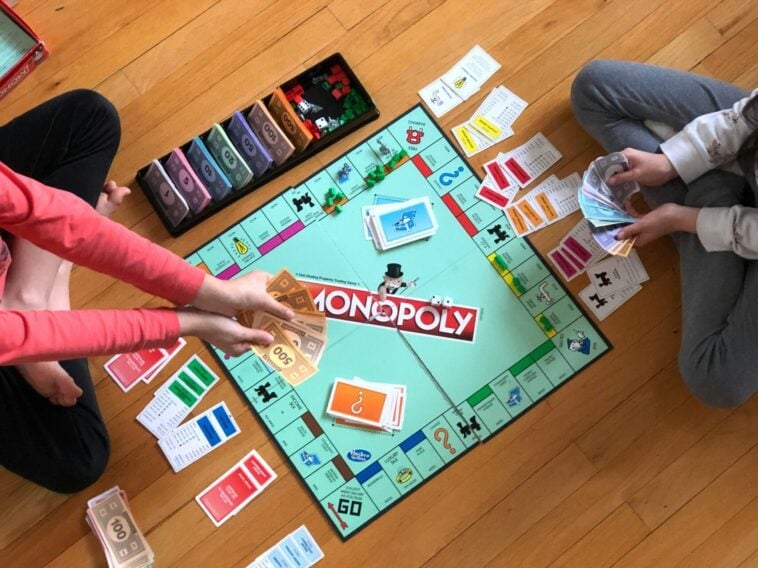
If you’ve got kids, there is a good chance you’ve bought something from Hasbro whether it’s Monopoly for family night, Nerf blasters, or a Play-Doh set to keep them busy. But this isn’t just about board games; it’s about the digital ecosystem behind them. Hasbro has confirmed it was hit by a cyberattack, and while the full impact is still being investigated, it’s the kind of situation you should be paying attention to.
The company found someone gained access to its internal network on March 28. But it managed to respond quickly, taking some systems offline and launching an investigation with external cybersecurity experts.
You should keep your eyes open
This is not news of just a big company getting hacked. Hasbro operates across toys, apps, games, and digital platforms, meaning it can hold different types of user data, depending on how families use its products.
Yes, toys are connected to your data more than you might think.
While classic toys like board games aren’t affected in the same way, many modern toy brands now connect to apps, online accounts, digital purchases, or companion platforms. See how data can come into play?
At the moment, there is no confirmation that customer or children’s data has been compromised. But right now, investigators are trying to figure out what exactly was accessed and whether any sensitive information was involved. If anything is found, the company says it will notify affected users.
Dos and don’ts moving forward
Even without confirmed data exposure, it’s a good moment to stay proactive. You want to keep an eye on emails or messages from Hasbro about the incident and be cautious of unexpected emails claiming to be from the company.
It is also in your best interest to avoid clicking suspicious links related to “account updates” or “security alerts.” And if your child uses any connected apps or accounts, make sure login details are secure.
Source: Security Affairs