
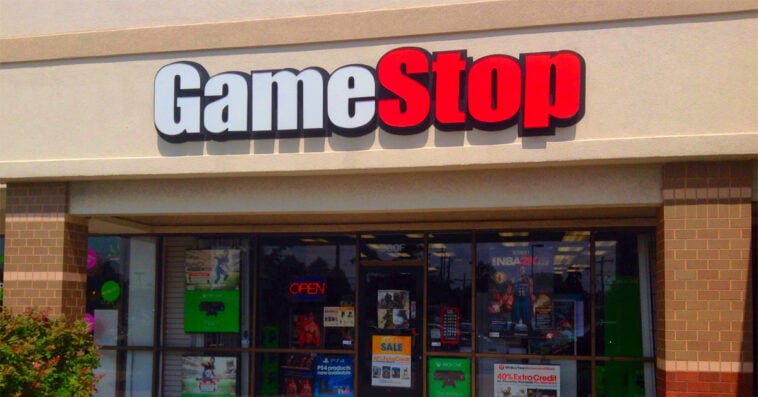
GameStop’s footprint across the U.S. is quietly — but quickly — getting smaller, and many customers are only finding out when a familiar storefront suddenly goes dark. As 2026 begins, the video game retailer is shuttering hundreds of locations nationwide, with closure notices surfacing through emails, in-store signs, and local reports rather than any official announcement. The move follows a year of aggressive cost-cutting and store reductions, leaving shoppers and investors alike wondering just how far this pullback will go, and what it means for the future of the once-ubiquitous chain.
GameStop speeds up store closures as 2026 begins
GameStop Corp. is accelerating its plan to scale back its brick-and-mortar presence as 2026 gets underway, signaling another major shift for the once-dominant video game retailer. Reports from local news outlets, along with closure notices shared by customers on social media, indicate that stores in multiple states are closing their doors this month as the company seeks to trim operating costs and adapt to evolving consumer shopping habits.
While the wave of closures may seem abrupt to shoppers, the move has been in the works for a long time. In its third-quarter earnings report released December 9, GameStop disclosed that it had already closed 590 U.S. locations during the prior fiscal year as part of a broad “store portfolio optimization” effort.
The company reinforced that strategy in a December filing with the Securities and Exchange Commission, warning that a significant number of additional closures were planned for its 2025 fiscal year, which concludes on January 31, 2026.
At the start of last year, GameStop still operated 2,325 stores nationwide, a figure that continues to shrink as the retailer reshapes its physical footprint.
Which GameStop stores are closing?
Exactly which GameStop locations are closing in 2026 remains unclear, as the company has yet to release an official list of affected stores. However, in recent days, shoppers have taken to social media to share emails believed to have come from individual stores, along with in-store signage announcing upcoming shutdowns. These notices point to staggered closure dates rolling out over the coming days and weeks.
Meanwhile, local news reports have begun confirming store closures in a growing number of communities — from Topsham, Maine, and Ann Arbor, Michigan, to Topeka, Kansas, and several other markets — suggesting the impact of the pullback is both widespread and still unfolding.
Why GameStop’s store closures are inevitable
GameStop’s decision to shutter hundreds of locations comes amid ongoing financial pressures and a shifting market landscape. In the third quarter of 2025, the company reported a net income of $77 million on $821 million in revenue — figures that fell short of analysts’ expectations, according to Reuters.
The retailer’s stock has also struggled since its viral peak during the 2021 meme stock phenomenon, when a surge of retail investors drove share prices sky-high and inflicted losses on short sellers. Over the past year, GameStop’s shares have dropped roughly 36%, underscoring the challenges the company faces as it seeks to streamline operations and adapt to changing consumer behavior.
GameStop scales down physical presence abroad
The pullback isn’t limited to the United States. GameStop’s physical store presence internationally is also shrinking as part of a broader global retrenchment strategy. While the company continues to operate stores in markets such as Canada, Australia, and select European countries, it has significantly scaled back in recent years, closing hundreds of locations and exiting several markets entirely.
European operations have been pared down sharply, and GameStop has moved to sell or wind down parts of its Canadian business, while Australia (largely under the EB Games brand) has also seen closures and consolidation. Across all regions, the pattern mirrors the U.S. experience: fewer physical stores, tighter cost controls, and a growing emphasis on digital sales as consumer shopping habits continue to evolve.
Source: Fast Company