
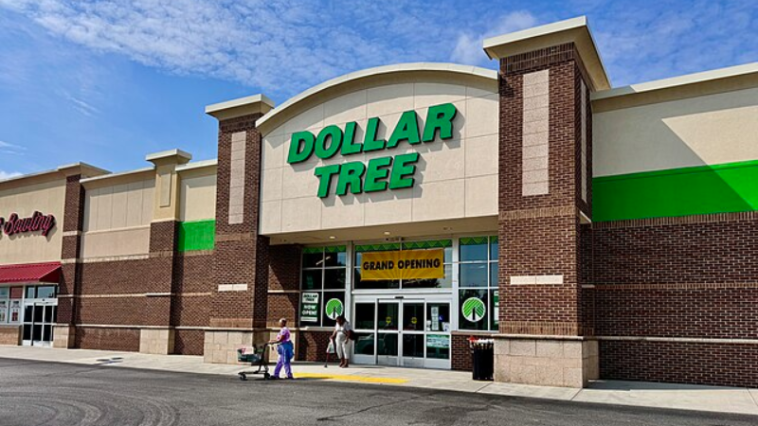
Walk into any Dollar Tree a decade ago, and the math was simple: grab what you need, count your items, multiply by one. Done. No price checking, no mental calculations, no surprises at checkout. That simplicity is what made Dollar Tree different from most retailers at the time.
Come 2026, the discount chain is changing how its stores work, and shoppers are already starting to see it.
Although this isn’t a new thing for Dollar Tree, prices are the most obvious shift. The retailer hasn’t been a true $1 store for some time now, and that gap just keeps widening. Items that once sat at $1.25 are now showing up at $1.50, $1.75, and sometimes even $2. Cleaning supplies, floral items, pantry food, foil products, and basic kitchen goods are among the categories hit by the increased rates.
Dollar Tree first raised its base price from $1 to $1.25 back in 2021. Since then, higher-priced items have quietly spread through more aisles, especially as the company leans harder into its multi-price strategy, which centers on what the chain calls its “3.0” store format.
Under this reinvented setup, some stores carry a wider mix of merchandise, including refrigerated and frozen food, name-brand groceries, electronics, hardware, and personal care products. Older stores weren’t designed for this kind of layout, which is why not every location accommodates the reorganization.
The 3.0 Rollout Accelerates
Over the summer, about 585 stores were converted to the 3.0 format. Company leaders have said they expect more than 5,200 locations to operate that way by the end of fiscal 2025 (February 1, 2026).
Not every store is staying open, though. Dollar Tree has identified roughly 30 underperforming locations for closure as their leases expire.
This does not mean the retailer is not growing. The discount chain surpassed 9,000 locations last year and continues to open new stores, including properties picked up from former 99 Cents Only Stores. Many of these locations are now being remodeled and are expected to reopen throughout 2026, particularly in the Western and Southwestern states.
Across the Dollar Tree network, the product mix keeps changing. Seasonal merchandise is arriving earlier and in larger quantities, and beauty and skincare sections are getting more space. Many of these items are lower-priced alternatives meant to resemble popular brands.
Dollar Tree isn’t hiding the shift anymore. The stores look familiar, but the model has moved on.
Sources: Dollar Tree, The Sun