
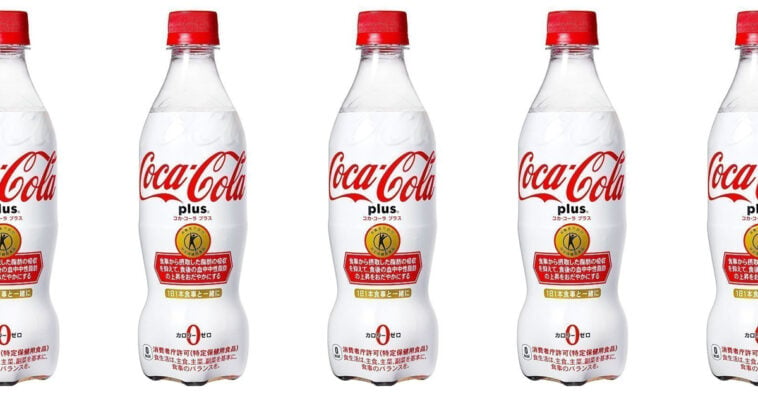
Coca-Cola, the world’s most iconic soda maker, might be on the verge of shaking up your favorite fizzy lineup — not with a new flavor, but by tapping into one of 2026’s buzziest health trends: fiber. At the World Economic Forum in Davos, the company hinted that it is eyeing fiber as the next major ingredient to weave into its drinks. But what exactly does a fiber-boosted Coca-Cola look like, and why do many believe this unlikely nutrient could be the next big thing in the drinks market?
Is fiber the new protein?
Could the next secret ingredient in your favorite soda be fiber? While the world has been obsessed with high-protein diets, Coca-Cola CEO James Quincey believes a new nutritional trend is about to bubble to the surface. Speaking at the World Economic Forum in Davos, Switzerland, Quincey suggested that 2026 might be the year “fiber creeps in” to the beverage mainstream.
The strategy isn’t entirely new for the soda giant. Quincey pointed to the success of Diet Coke Fiber+, a sugar-free, calorie-free beverage that has been a staple in the Japanese market since 2017. Each bottle packs five grams of dietary fiber, designed specifically for a growing segment of health-conscious consumers looking for functional benefits in their drinks.
However, bringing this concept to a global audience remains a unique challenge. Quincey noted on CNBC’s Squawk Box that while fiber is easily soluble and doesn’t ruin the taste of a drink, it remains a “niche” interest for now. The hurdle isn’t the technology, but the consumer mindset: most people don’t reach for a refreshing soda with the primary goal of hitting their daily fiber intake.
Despite this, as the “food as medicine” trend gains momentum, Coca-Cola is betting that the line between a guilty pleasure and a functional snack is about to get a lot thinner.
Why industry giants predict a high-fiber future?
Coca-Cola’s Quincey isn’t alone in his predictions; he is part of a growing chorus of CEOs who believe 2026 will be defined by the new super ingredient, fiber.
McDonald’s CEO Chris Kempczinski recently took to Instagram to share his forecast for the year’s top food trends, placing fiber at the very top of his list and stating it is “going to be big” this year. This echoes the sentiments of PepsiCo CEO Ramon Laguarta, who boldly predicted during an October earnings call that “fiber will be the next protein.”
This corporate shift is largely a response to a groundswell of consumer interest that began on social media. Throughout 2025, the viral “fibermaxxing” trend took over platforms like TikTok and Instagram. Dieticians and wellness influencers championed the movement, highlighting how a high-fiber diet can revolutionize gut health, slash cholesterol levels, and even lower the risk of colon cancer.
The search for fiber has even turned humble vegetables into digital stars. Pinterest’s 2026 trends report identified cabbage as a breakout superfood, forecasting it to be the highest-trending vegetable in the U.S. this year. The data backs it up: searches for “cabbage dumplings” surged by 110% between late 2024 and mid-2025 compared to the previous year. As consumers swap out empty calories for nutrient-dense options, the message to big brands is clear: if you want to stay relevant in 2026, you need to focus on the roughage.
Source: Business Insider