
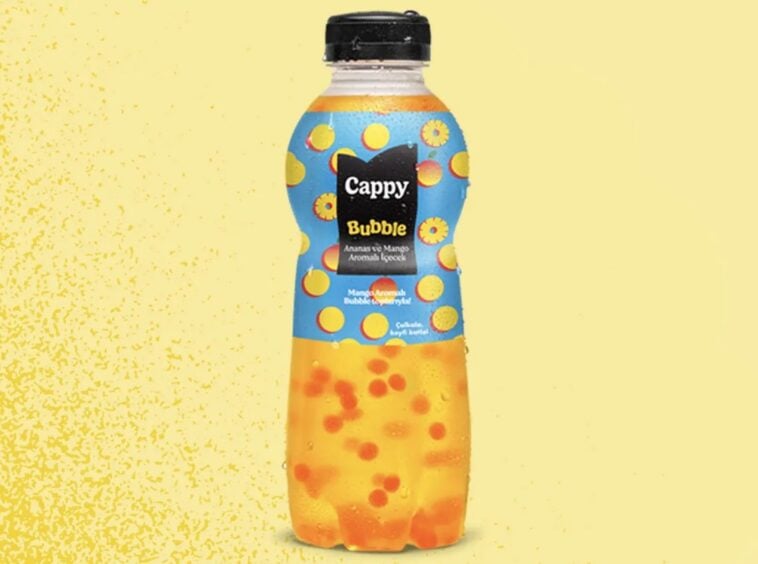
Coca-Cola has released its first boba-style drink, introducing a bottled juice with fruit-filled pearls under its Cappy brand.
The product has launched in Turkey, where Cappy is the company’s juice label. In other markets, the same portfolio is better known as Minute Maid.
Unlike traditional bubble tea, the new drink is positioned as a juice rather than a tea-based beverage. It contains small pearls filled with fruit syrup that burst when bitten, adding texture to what would otherwise be a standard bottled drink.
Bubble tea has been popular in Asia for decades and has expanded rapidly in Europe and North America in recent years, particularly among younger consumers. While most boba drinks are made to order in cafés, translating that experience into a shelf-stable bottled format has proven difficult.
Coca-Cola said development of the drink took around two years and was handled by its juice innovation team in Brussels. One of the main challenges was designing pearls that could survive industrial bottling, transport, and storage, while still breaking easily when consumed.
-
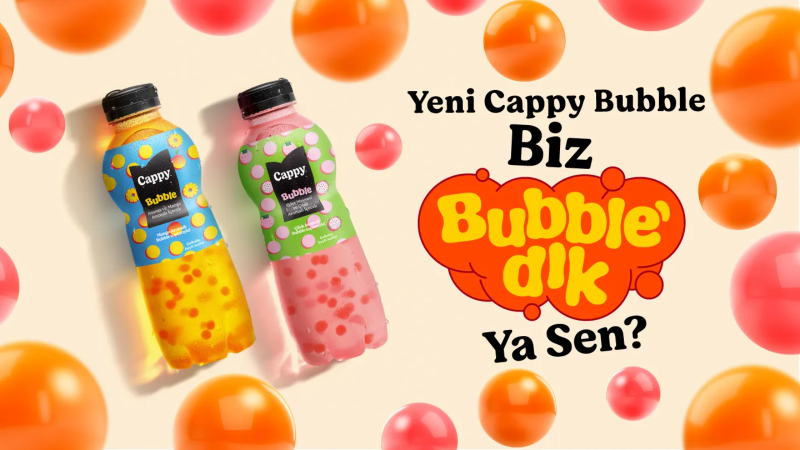
Coca-Cola said development of its Cappy Bubble drink took around two years ©Image Credit: Coca-Cola
Smaller brands have previously experimented with bottled boba drinks, but Coca-Cola’s launch brings the format into a mainstream juice range with established distribution across Europe, Africa, and the Middle East.
The company has been using the Cappy brand as a testing ground for new juice concepts, including reduced-sugar options and fortified blends. Earlier this year, Coca-Cola also filed a trademark in the UK for a botanical lemonade under the same label.
As consumers continue to move away from traditional sugary sodas, juice has become an area where large beverage companies are more willing to experiment. Market forecasts cited by Grand View Research estimate the global juice category could grow from about $29.99bn in 2024 to more than $50bn by 2030.
For now, the boba juice remains a limited regional release. Whether it expands further is likely to depend on how consumers respond to adding texture — not just flavor — to bottled juice.
Source: DeverageDaily