
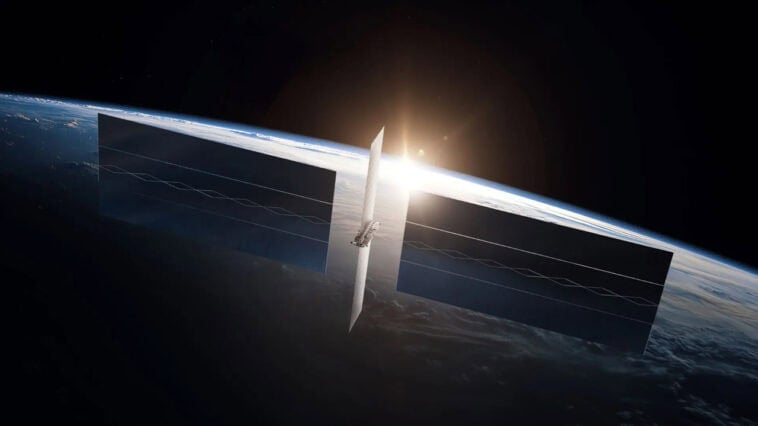
Elon Musk is taking his ambitions in artificial intelligence to an entirely new level, and this time, he is looking beyond Earth. SpaceX has secured regulatory approval for a staggering plan to deploy up to 1 million satellites that could serve as data centers orbiting our planet. The idea could provide enormous computing power using energy from the Sun while offering a new way to handle the growing demands of AI technology. But putting that many satellites into space is no small undertaking, and the proposal raises some big questions about how such a massive network would work. Read on to discover what SpaceX has planned.
A historic green light for space-based computing
On Wednesday, the Federal Communications Commission (FCC) gave SpaceX the official go-ahead to build a massive network of orbital data centers, granting the company a 15-year license to deploy up to 1 million satellites around the globe. The decision marks the first time federal regulators have cleared a full-scale constellation built specifically to process artificial intelligence workloads in orbit.
SpaceX originally filed its application in January, pitching a system that would expand the total number of satellites circling Earth roughly fiftyfold. The proposal has also drawn favorable remarks from President Donald Trump, while FCC Chair Brendan Carr framed the approval as a critical step toward keeping the United States ahead in the global AI race.
“By moving compute capacity beyond Earth, SpaceX and the many competitors working on their own orbital data centers are meeting the moment,” Carr said in a statement. “This is the kind of American ingenuity that can unite our strengths in space and advanced technology, reinforce our economic leadership, and expand prosperity here at home.”
Musk quickly welcomed the decision online, replying to a post from Carr on X: “Much appreciated,” the SpaceX CEO wrote. “This will be a great asset to America and the world.”
Why move data centers into orbit?
Back on Earth, the rapid expansion of artificial intelligence has triggered a rush to build enormous server farms — projects that require vast amounts of electricity and cooling water. Those heavy resource demands have sparked growing pushback from local communities concerned about strained power grids, noise, and environmental impacts.
SpaceX’s answer is to take that heavy computing infrastructure off the planet altogether. In low Earth orbit, satellites can tap directly into uninterrupted solar energy to power energy-hungry AI chips, bypassing terrestrial power bottlenecks and relying on space-based radiators to shed excess heat.
The road to 2040 and the hurdles ahead
Turning that vision into a functioning network won’t happen overnight. SpaceX’s constellation, officially named Starmind, faces steep engineering, financial, and logistical hurdles, including managing the sheer cost and launch cadence required to build a million-satellite fleet, and preventing collisions and orbital debris in increasingly crowded skies.
To keep the project on track, the FCC’s approval comes with strict buildout benchmarks:
- November 25, 2033: SpaceX must have its first authorized orbital station up and running within seven years.
- Through 2040: The company must hit a series of escalating deployment milestones over the remainder of the 15-year license to retain its full authorization.
Even with regulatory approval secured, getting a million data center satellites off the ground will test the limits of modern spaceflight and determine whether the future of artificial intelligence truly lies above the clouds.
Source:
Politico