
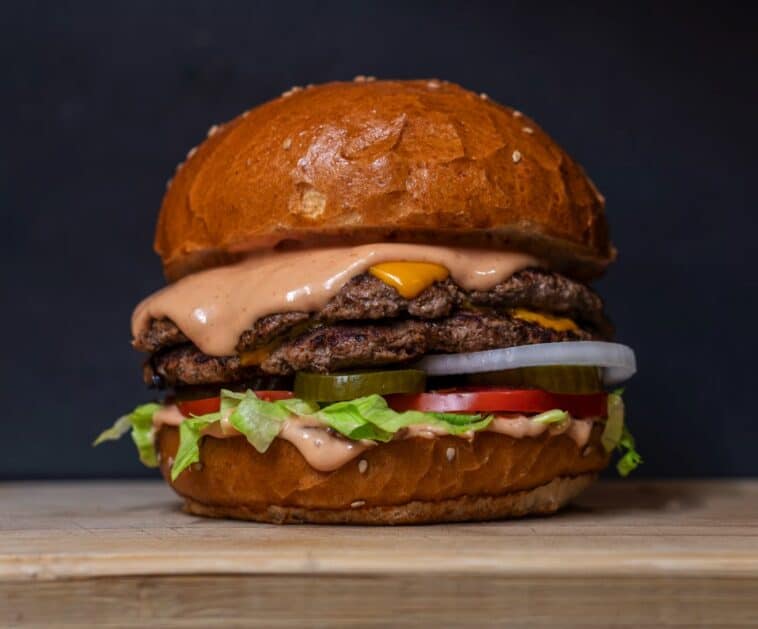
Every time you walk into your favorite restaurant and make an order that has beef as one of its essential ingredients, one thing that must come to mind is “are they using fresh meat?” While you may not think too hard and too long on the logistics involved in making your burger, your answer will most likely be, “yes, they use fresh beef.” But behind every quick-service burger lies a fascinating operational reality: frozen patties remain the undisputed backbone of the multi-billion-dollar fast-food industry.
The truth about frozen beef patties
Because they operate on a massive global scale, chains must navigate strict safety guidelines, consistency and massive customer demand. As a result of this, restaurants turn to frozen patties to help them avoid heavy food waste while ensuring uniform size, weight and cooking speeds.
At this point you may be thinking the frozen meat would lose most of its nutritional benefits. Well, you are also wrong on that count. Freezing meat doesn’t ruin its nutritional profile, and many patties are flash-frozen right after production to lock in their flavor. If you have a soft spot for classic comfort food, odds are your favorite burger comes straight out of the freezer.
Your favorite restaurants are ‘guilty as charged’
In case you are wondering if one or two of your favorite restaurants use frozen patties, chances are they do. In fact, some of the biggest and most popular restaurants are using frozen patties. Below are some of the major restaurants that do not use fresh beef in their meals:
McDonald’s
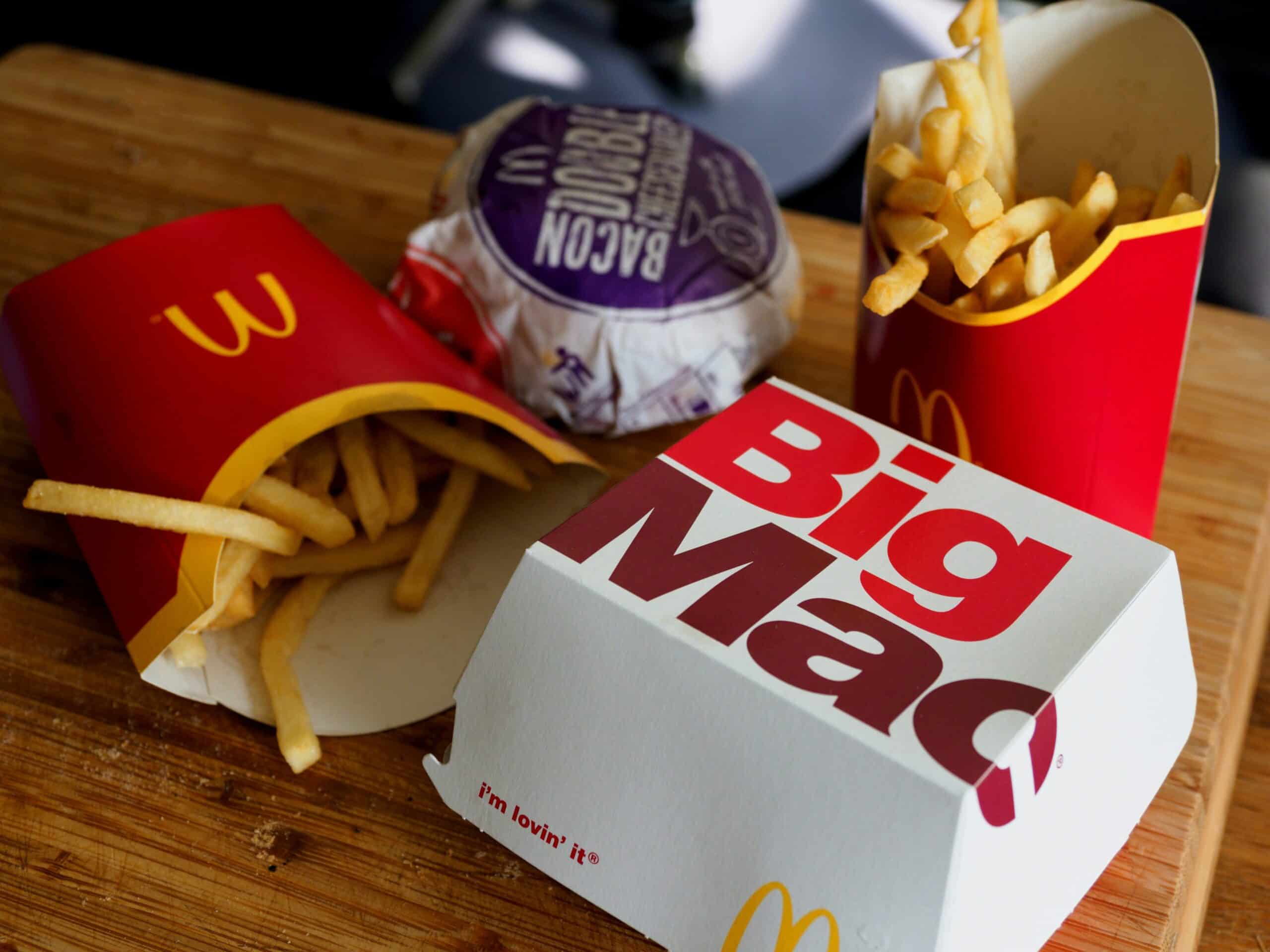
As the largest fast-food chain in the United States, McDonald’s relies heavily on frozen beef for the vast majority of its burgers, as well as breakfast items like McMuffins, McGriddles and bagels. These frozen patties are typically cooked for around forty seconds between two heated metal plates before being held in warm cabinets. While the brand shook things up by introducing fresh beef for its Quarter Pounder line, the classic menu staples still embrace the freezer.
Burger King
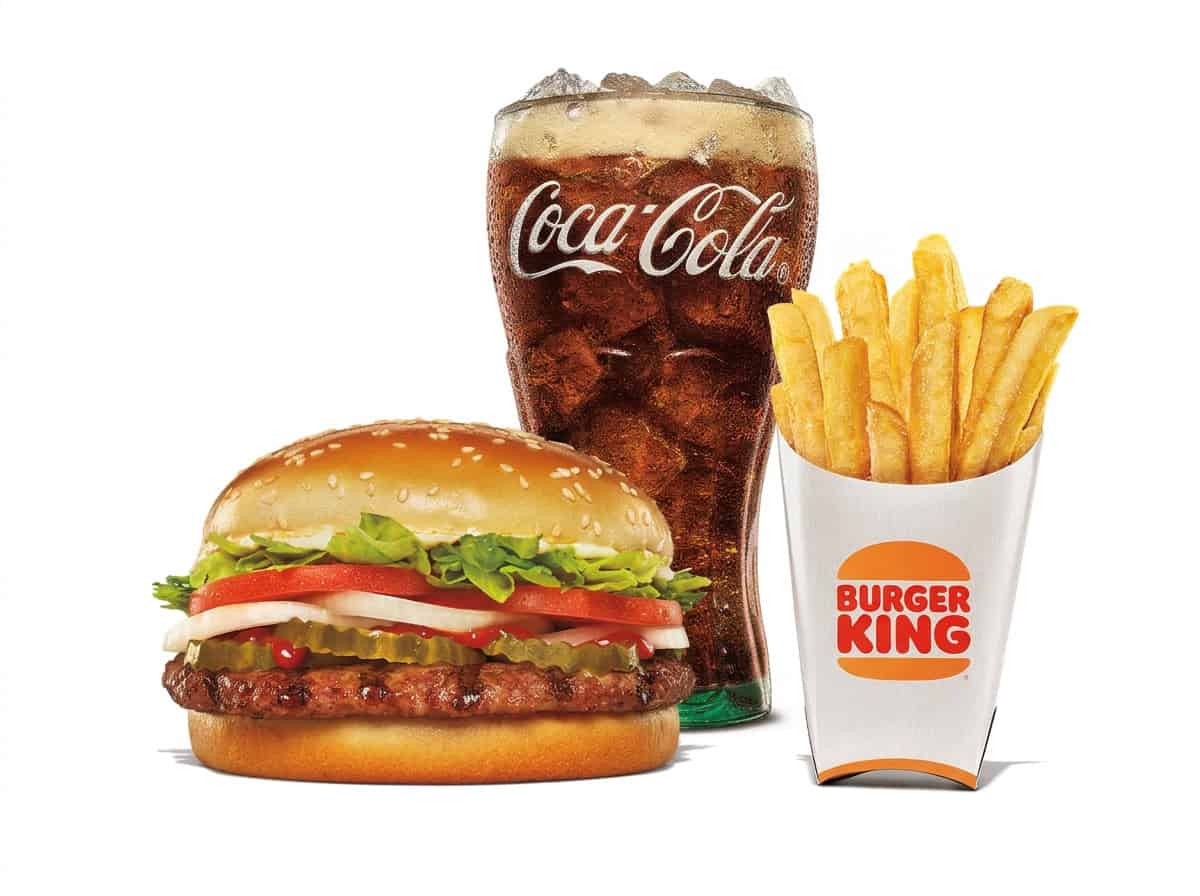
As the second-largest burger chain in the U.S., Burger King takes a different route than its top rival by keeping its entire burger menu frozen. Formed and flash-frozen at centralized facilities, the patties travel through a flame-broiling conveyor belt past gas flames. This signature charbroiling process gives the famous Whopper its iconic smoky exterior.
Jack in the Box
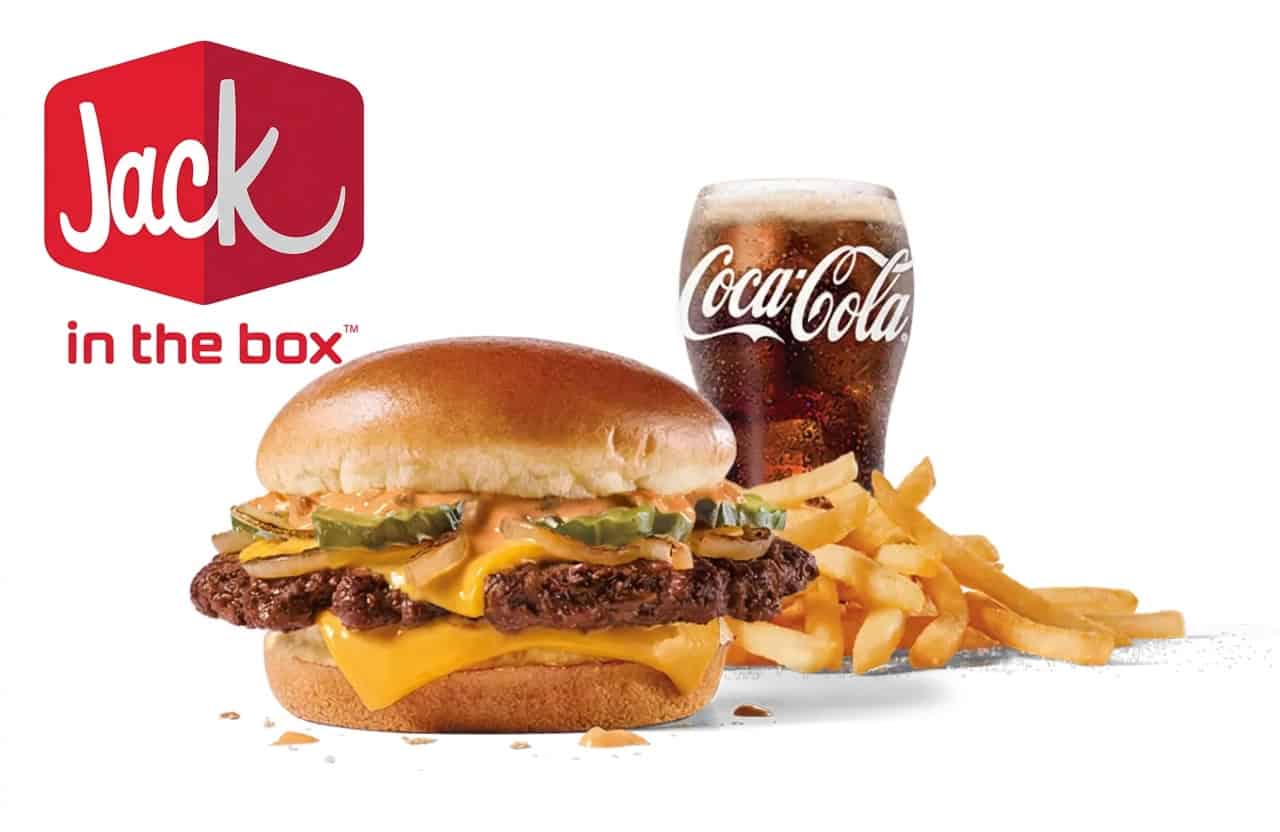
Known for an eclectic menu featuring everything from curly fries to tacos and smash-style burgers, Jack in the Box keeps things streamlined by bringing all its burger patties in, frozen. While the chain sticks to traditional flat-top griddling and has even experimented with automated cooking tech in select spots, the meat starts its journey on ice.
Dairy Queen
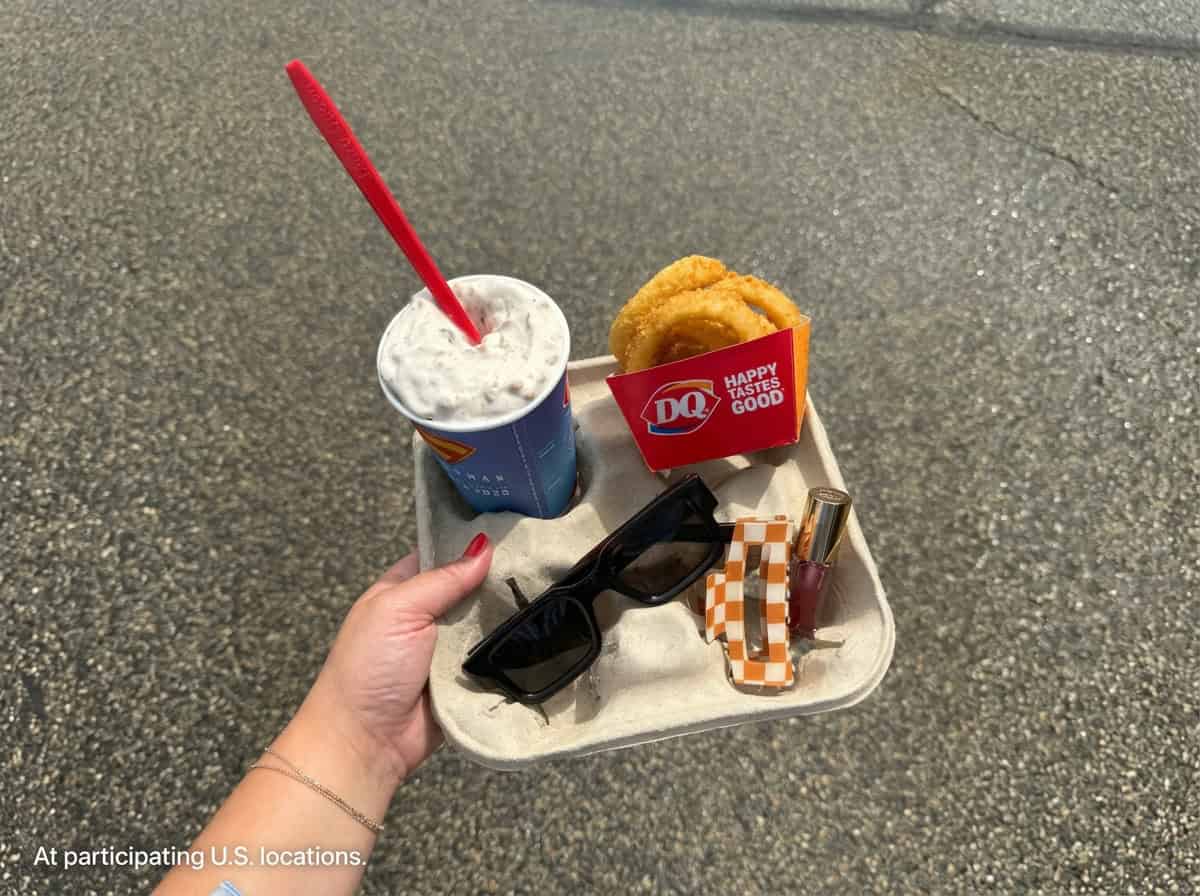
While a trip to Dairy Queen is usually about Blizzards, their hot food menu features classic burgers. Though corporate disclosures have kept quiet on exact sourcing details, employee insights confirm that these patties arrive frozen and are cooked using a conveyor belt system over an open flame before heading into warm holding bins.
White Castle
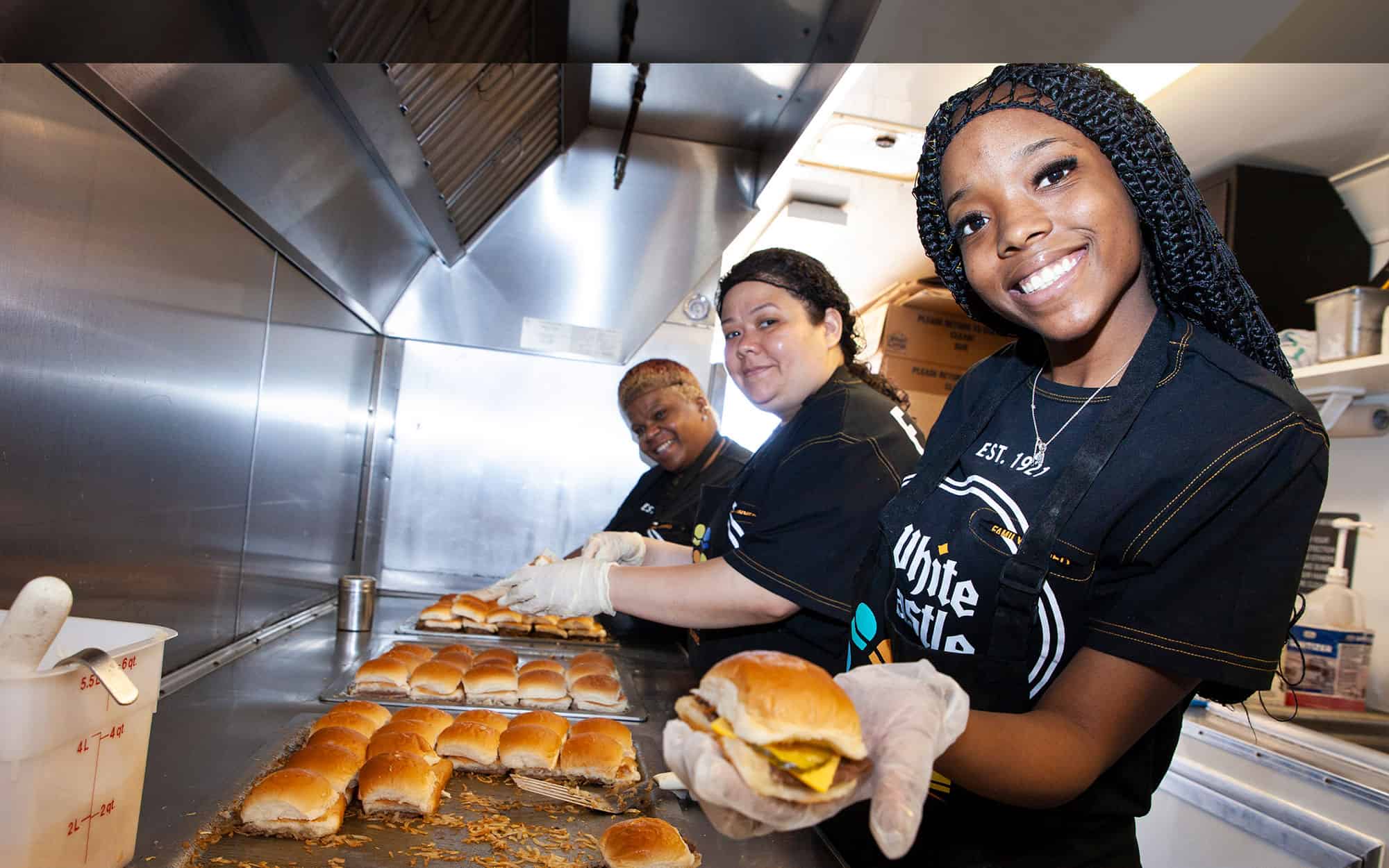
Having opened its doors back in 1921, White Castle initially used fresh beef before switching over to convenient frozen patties way back in 1931. The chain uses a uniquely clever steaming method: a bed of onions goes on the hot grill, followed by perforated frozen patties and buns stacked on top, allowing rising steam to cook the meat.
Sonic Drive-In
Everything about Sonic feels gloriously retro, but its kitchen setup is all about efficiency. Workers pull burger patties straight from the freezer onto a flat-top grill. Those tiny holes and bumps you sometimes notice on fast-food patties aren’t defects; they are specially designed perforations that help frozen meat cook quickly and evenly.
Carl’s Jr.
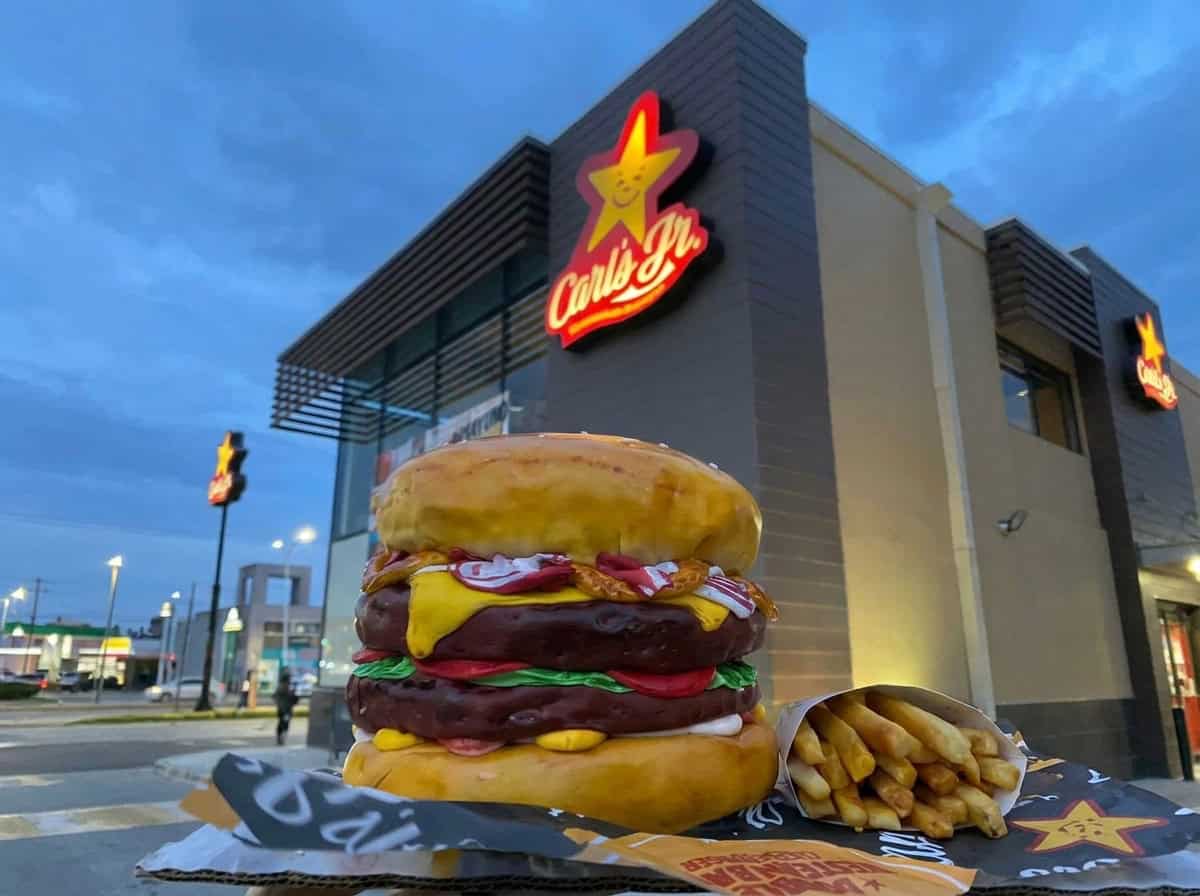
A Southern California staple since 1941, Carl’s Jr. utilizes a gas-flame conveyor belt system similar to Burger King to charbroil its frozen patties. While the chain has been working to improve overall customer experience with hot, made-to-order prep methods, its patties still start their lifecycle safely tucked away in the freezer.
This is not a profit gimmick
The science behind frozen beef is pretty much straightforward. Fresh raw beef has a notably short shelf life, and if restaurants are to ensure they give you fresh and unspoilt meat without freezing them, they will have to slaughter an animal every day. Imagine the logistical nightmare and waste for your local McDonald’s. And while you are still considering that, think of the effect that will have on the price of your Big Mac. When you put all of these together, you will realize that frozen patties are not just some quick-profit schemes but an essential part of serving your meal in a timely fashion and at the price that’s right for you.
Source: Food Republic