
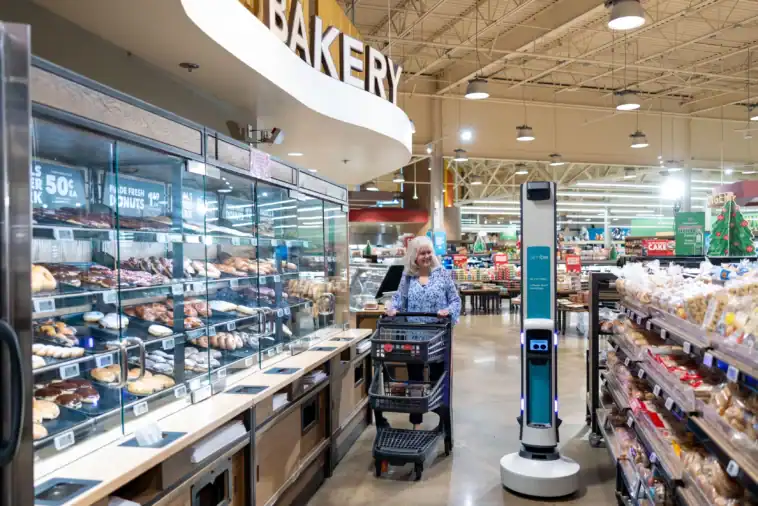
If you see a six-foot robot slowly cruising past you on your next grocery run, don’t panic. It’s probably not hunting for humans. At a Ralphs grocery store on Los Angeles’ Pico Boulevard, a robot named Tally spends its time rolling through aisles and scanning shelves for missing products, misplaced items and pricing errors.
Tally was built by Burlingame, California-based Simbe Robotics and is part of Kroger’s growing push to automate grocery-store operations. Kroger, which owns Ralphs, is now using hundreds of the robots following earlier pilots in Indianapolis and Cincinnati. But while Tally is supposed to make grocery shopping more efficient, some shoppers are finding the six-foot sensor tower a little unsettling.
A rolling inventory manager
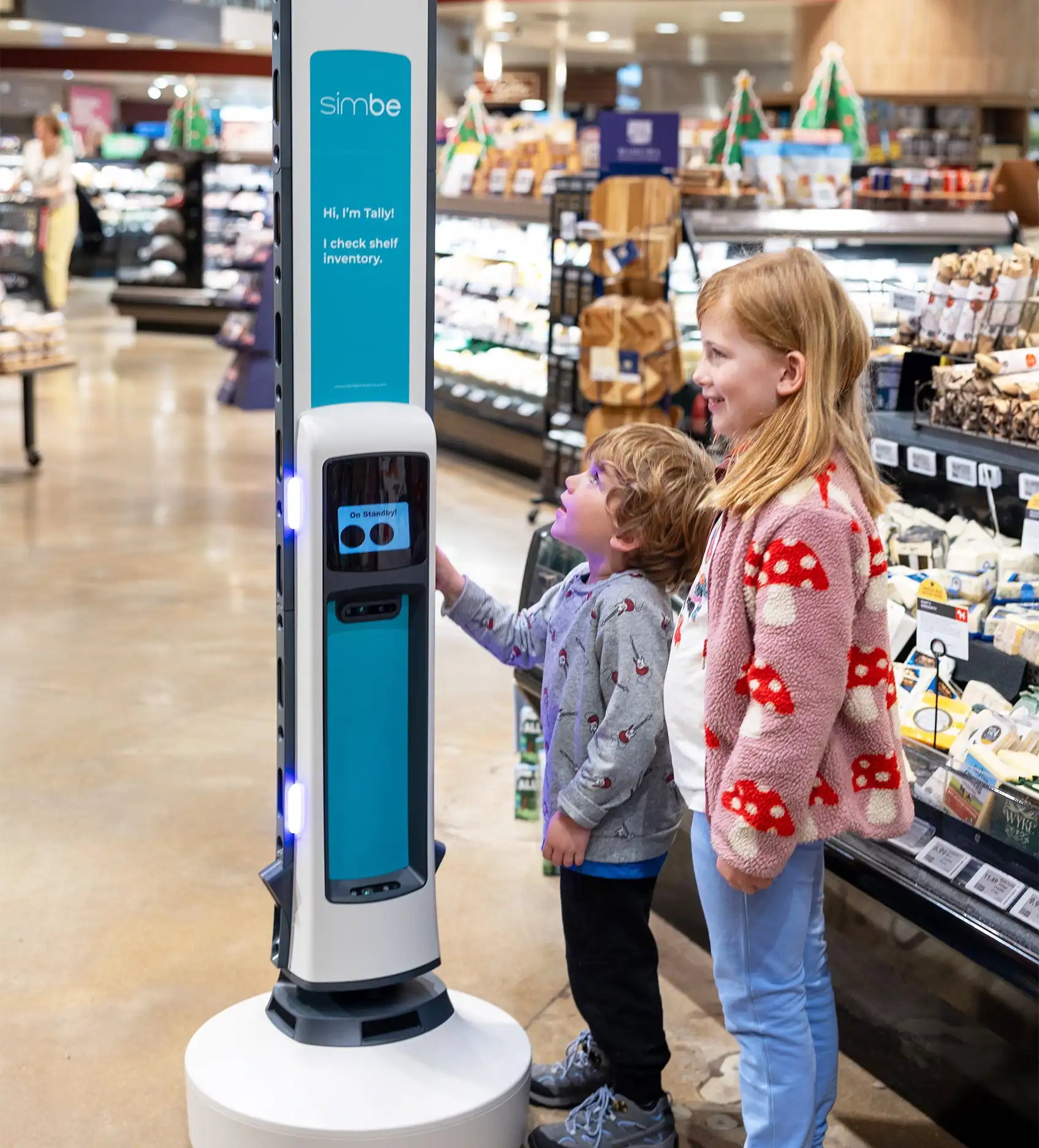
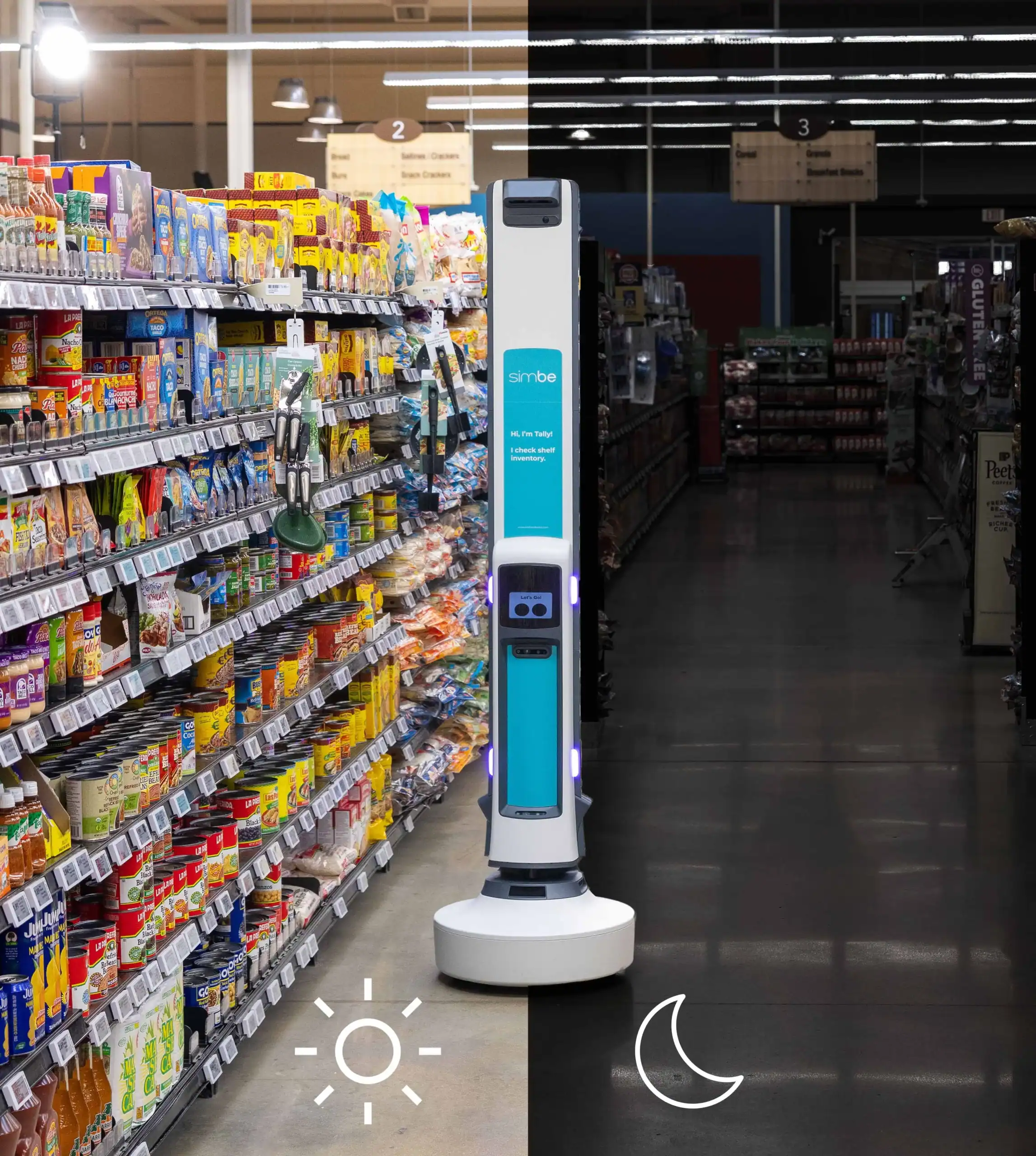
Tally’s job includes scanning grocery shelves, checking what’s in stock, spotting products sitting in the wrong place and looking for pricing issues. When it finds something that needs attention, it alerts store employees. According to Simbe, Tally is designed to understand shelf conditions, not identify or track people.
Kroger isn’t exactly testing the concept with one lonely robot anymore. A Kroger-operated Smith’s store manager said the company deployed its 500th robot across Kroger in August, while Simbe says more than 3,000 units have been contracted worldwide. The latest version, Tally 4.0, was unveiled in January with newer Nvidia chips and software designed to scan shelves faster and provide real-time information about inventory, pricing and product placement.
Simbe’s published terms say its “Tally Digital Data” can include product photos or videos, along with assessments of products, displays and pricing captured or processed by its services. What isn’t clearly established is whether shoppers themselves are captured in that data or exactly how long the information is retained. Simbe and retailers maintain that the technology is focused on shelves and store operations rather than tracking people.
Shoppers aren’t totally sold
For some customers, Tally is less “helpful robot” and more “why is that thing following me?” The Los Angeles Times spoke with Ralphs shopper Ricardo Valadez, a 62-year-old real estate agent from Mid-City, who initially felt like Tally was following him around the store. An employee eventually explained what the robot was actually doing.
Other shoppers have more serious concerns, particularly about whether automation could eventually replace some of the human interaction that makes a neighborhood grocery store feel, well, human. Jennifer Boulanger even posted a video on Nextdoor complaining about the robot at her local Ralphs. As she told the Times, she worries AI automation could cost people their jobs and had planned to shop at Trader Joe’s more often.
Workers have questions too
Customers are not the only ones watching Tally. Some Ralphs workers reportedly worry that technology originally designed to scan shelves could eventually be used to monitor employees.
Those concerns aren’t limited to California. Grocery workers and unions have been pushing back against the broader use of automation, arguing that robots could reduce hours, threaten jobs and affect workplace benefits.
In July, UFCW 3000, a United Food and Commercial Workers union branch representing workers in Washington, northeast Oregon and northern Idaho, opposed Tally’s deployment at Kroger-owned Fred Meyer stores. Union members argued that tasks such as checking shelves and identifying out-of-stock products are already performed by employees. They also called for workers to be consulted before additional robots are introduced.
Kroger is already cutting corporate jobs
Kroger has said it plans to eliminate 3,000 corporate positions over the next three years while increasing its use of artificial intelligence to streamline operations. As far as the company is concerned, its AI investments are already helping it save money.
Kroger’s retail robots and its corporate AI strategy aren’t necessarily the same thing, but together they paint a pretty clear picture of where the company is heading. It’s clearly headed towards more automation, more data and fewer humans doing certain repetitive jobs.
Tally isn’t the only supermarket robot
The grocery robot invasion is already bigger than Kroger. Tally has appeared at Bristol Farms in Santa Monica and at retail locations associated with Kroger, Lowe’s, Tesco and BJ’s.
Another company, Badger Technologies, has deployed similar inventory-scanning robots at Woodman’s Markets, The Giant Company and Stop & Shop. Its robot is called Marty, because apparently even robots need names. Marty was updated in 2023 to monitor on-shelf availability and identify misplaced products.
The industry itself is growing quickly. Fortune Business Insights estimates the retail automation market could grow from $28 billion in 2025 to $77 billion by 2034, according to figures cited by the Los Angeles Times. Simbe, meanwhile, claims its robots can save employees up to 50 hours of work per week, though that’s a figure coming from the company itself.
There was a time when a robot roaming around your grocery store would have looked like something from a sci-fi movie. Now that future is already here. For now, Tally is mostly interested in shelves, not shoppers. But as more retailers hand routine tasks to machines, customers and workers are going to have to adjust to the new system whether or not it feels a little less human.
Source: Hoodline, Los Angeles Times