
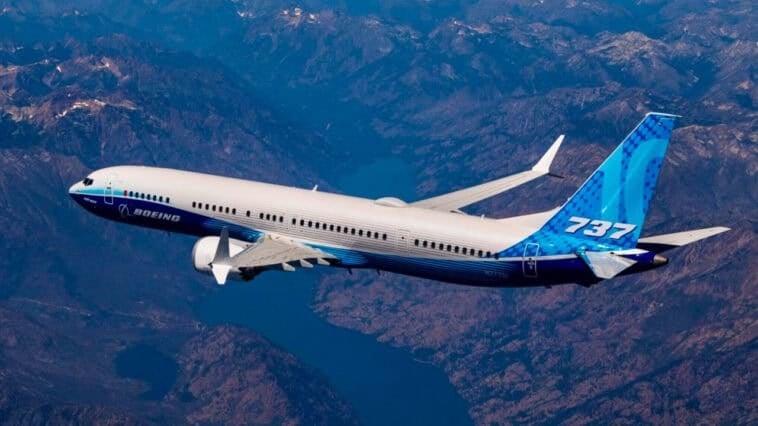
Boeing’s long-awaited 737 MAX 10 has hit another roadblock, and this time, the problem is buried inside the aircraft’s landing software. The Federal Aviation Administration (FAA) has delayed a key step toward certification after uncovering a software fault that could affect how the plane handles certain landing situations. While the issue may sound technical, it could directly affect when airlines can finally put Boeing’s newest 737 variant into service.
FAA hits the brakes just before the finish line
The FAA has not given Boeing a new target date for approving the largest member of the 737 MAX family. That leaves airlines and industry watchers waiting for a clearer timeline on when the aircraft can finally enter service.
The delay comes after expectations that the MAX 10 could receive a positive certification decision as early as this week. Such an approval would have marked an important milestone for an aircraft that has faced years of delays.
The FAA certified the smaller 737 MAX 7 on August 3. Earlier in September, Boeing CEO Kelly Ortberg said certification of the MAX 10 was coming “very soon.”
That timeline changed on September 28 when FAA Administrator Bryan Bedford confirmed that the agency would not move forward until the software issue had been properly addressed.
“We will be delaying the 10 until we’re satisfied that we don’t have an issue here,” Bedford told reporters at an event at Reagan Washington National Airport, according to Reuters. He did not say how long the certification delay could last.
Software problem affects landing guidance
At the center of the latest setback is a software fault in the 737 MAX’s flight management system. Under a specific missed-approach situation, the problem can cause pilots to lose automated vertical flight guidance.
The fault affects newer versions of the aircraft’s flight management computer software, specifically a function known as vertical navigation, or VNAV.
VNAV helps an aircraft follow a planned vertical flight path by managing altitude targets and other programmed restrictions. In normal operation, it assists pilots and the aircraft’s automated systems in maintaining the intended profile.
The newly identified problem can occur when pilots discontinue a landing attempt and then modify the aircraft’s programmed flight path.
Boeing has said pilots already have procedures available to manage the situation safely. Those procedures can allow the autopilot to remain available through other automation modes. Pilots can also disconnect the autopilot and take direct manual control of the aircraft if necessary.
The FAA, however, wants the issue resolved before it completes the certification process for the MAX 10.
High stakes in the battle for commercial skies
The software problem adds to a long list of challenges surrounding the MAX 10, which is designed to serve the higher-capacity end of the single-aisle aircraft market.
The jet is expected to compete directly with Airbus’ A321neo, making the MAX 10 an important part of Boeing’s strategy in a market where Airbus has gained significant ground.
Airlines have been waiting for the larger 737 variant for years, and the customer list includes the three major US carriers, all of which have substantial orders for the aircraft.
The latest FAA decision also had an immediate effect on Boeing’s stock. The company’s shares closed nearly 7% lower after news of the certification delay emerged.
For now, Boeing has not announced a replacement certification date. The next steps will depend on how quickly the software problem is addressed and how the FAA evaluates the company’s solution.
How aircraft certification works and why delays ripple worldwide
Getting a new aircraft approved by the FAA is a detailed process that requires manufacturers to demonstrate that the airplane and its components meet the regulator’s safety and certification requirements.
A key milestone is the FAA’s Type Certificate. This represents the regulator’s formal approval that the aircraft’s design and its components comply with the applicable standards.
Before that certificate can be issued, the manufacturer must complete the required testing and resolve certification findings. Boeing must also finalize documentation, including the Airplane Flight Manual (AFM), as part of demonstrating compliance with the agreed certification requirements.
The FAA then conducts a Final Type Certification Board meeting to review the work and determine whether all requirements have been met before issuing the Type Certificate.
When certification is pushed back, the consequences can extend beyond the manufacturer. A delay can affect aircraft production and deliveries, forcing airlines to reconsider their fleet plans and the timing of when they can introduce the new aircraft.
For carriers preparing to use the MAX 10 on new routes, even a certification delay can create additional complications. Planned inaugural flights and route launches may have to be adjusted if the aircraft is not available when originally expected.
Until Boeing produces a permanent software patch that satisfies the FAA’s safety standards, both the aerospace manufacturer and the commercial aviation world remain in a state of watchful waiting.
Sources:
Reuters
Aerospace Global News