
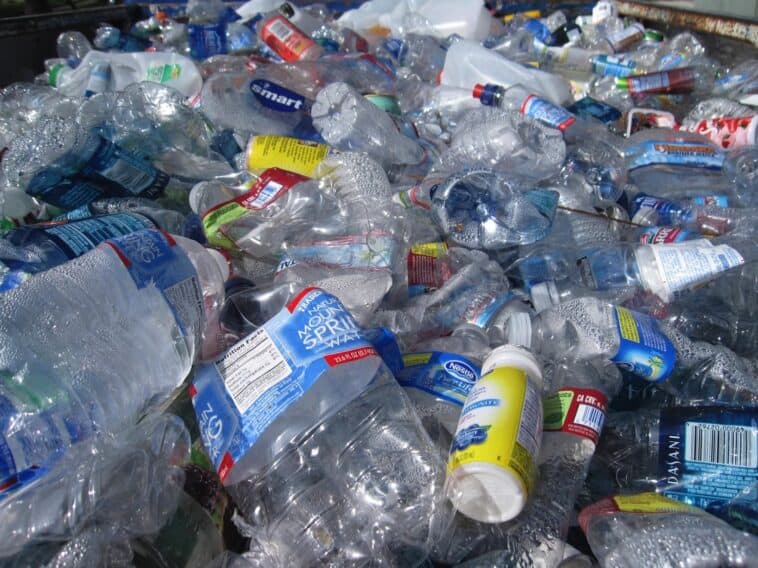
As if we needed another reason to worry about plastic pollution, science just handed us a pretty terrifying one.
We already know microplastics are clogging up our oceans, drifting through our air, and even showing up in our food. But now, researchers have discovered a chilling new side-effect: microplastics might actually be helping bacteria supercharge their defenses against life-saving antibiotics.
Welcome to the plastisphere
When plastic sits in the environment, it doesn’t just sit there. It gets colonized by microbes, creating a miniature floating ecosystem that scientists have dubbed the “plastisphere.”
As it turns out, bacteria actually love plastic. When these tiny microorganisms land on a surface, they build a sticky, protective shield called a biofilm. Think of it as a microscopic, fortified colony.
Researchers at Boston University recently discovered that when bacteria like E. coli set up camp on microplastics, they don’t just build normal biofilms—they build super-biofilms.
“We found that the biofilms on microplastics, compared to other surfaces like glass, are much stronger and thicker, like a house with a ton of insulation,” says Neila Gross, a PhD candidate at BU who led the study.
From standard germs to indestructible superbugs in 5 days
This thick insulation Gross mentioned acts like heavy armor. When scientists introduced four common antibiotics (including ampicillin and doxycycline) to the mix, the medicines couldn’t even penetrate the shield.
What is even scarier is that after just five to 10 days of hanging out on these plastic particles, the bacteria’s drug tolerance shot up to 100 times their starting level.
Shockingly, even after the microplastics and antibiotics were removed, the bacteria kept their supercharged ability to form these indestructible biofilms.
How plastics trigger bacterial SOS
It’s not just that plastics make great houses, they also stress the bacteria out in a way that makes them mutate faster.
Other research has revealed that when bacteria encounter microplastics, they treat the plastic like a threat. This triggers their “SOS response”—a genetic panic mode that repairs damaged DNA but also stimulates them to swap genes like crazy.
This genetic swapping, known as horizontal gene transfer, increases by up to 200 times in the presence of microplastics. If one bacterium in the colony figures out how to survive an antibiotic, it can quickly share that resistance gene with all its neighbors.
The high-risk zones
While this is bad news for everyone, researchers are worried about how this affects high-density, low-income areas, like refugee settlements.
Historically, we’ve blamed antibiotic resistance on human behavior, like patients who don’t finish their prescriptions. But in reality, millions of people are forced to live in environments heavily polluted with plastic and poor sanitation.
If local water supplies are teeming with bacteria, it can create a massive public health crisis that people have zero control over.
How we accidentally trained our superbugs
Right now, scientists are trying to figure out the exact chemistry of why bacteria latch onto plastic so aggressively.
One theory is that because plastic is hydrophobic (water-repelling), it easily attracts bacteria trying to get out of open water.
Over time, the plastics can also absorb traces of antibiotics from wastewater, effectively creating a training ground where bacteria are exposed to low doses of medicine and learn to fight them off.
What we can do
Experts say our best bet right now is a double-pronged attack:
- Upgrading our wastewater treatment plants so they actually filter out microplastics before they hit major rivers and oceans.
- Global surveillance to keep an eye on where these plastic-riding superbugs are spreading.
It turns out cleaning up our plastic habit isn’t just about saving the sea turtles anymore. It might actually be about saving ourselves.
Source: Chemistry World