
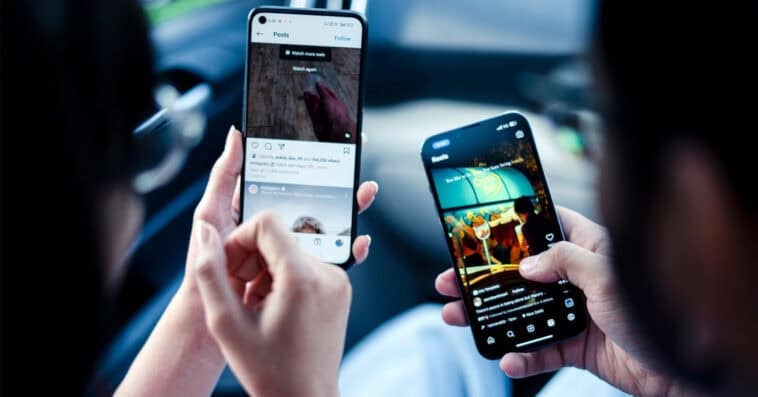
Your public Instagram grid is no longer just a place for friends to browse your photos — it has officially become raw material for strangers to create AI-generated imagery. Meta has sparked massive backlash by automatically opting millions of adult users into its new “Muse Image” generator, an update that allows anyone to type in your Instagram handle and watch a chatbot remix your real-life likeness without your knowledge or explicit consent. While users are furious over the sudden privacy change, Meta has added an option to opt out of the system entirely. Read on to know how this new feature works, why privacy experts are highly concerned, and the exact steps you need to take right now to find the buried setting and turn it off.
How Meta’s Muse Image works
Launched on July 7, Meta has rolled out a new AI-powered image creation tool called Muse Image. Much like AI image tools from other major platforms, Muse Image allows users to create visuals by entering written prompts or uploading existing photos and videos for editing. Meta says the tool can help users complete a variety of creative tasks, from generating realistic images to making practical edits.
According to Meta, users can create images of themselves in famous locations, remove unwanted people from group photos, generate custom invitations, build infographics, or even produce QR codes. The tool can also analyze images of rooms and suggest design ideas, including product recommendations from the internet or Facebook Marketplace.
However, one feature has become the center of the controversy: Muse Image can use photos and videos from other public Instagram accounts as inspiration for AI-generated creations.
When using the tool, an Instagram user can enter another public account’s username and, if that account allows reuse, Muse can access photos or videos from that profile’s grid to generate a new AI image — a capability that has fueled concerns over privacy, consent, and the future use of personal images online.
While Meta has provided a way to block this, the company chose to opt all public adult accounts into the data-sharing network by default.
How to stop others from using your Instagram photos for AI images
For users who do not want their content included in AI-generated creations, Instagram provides an option to disable content reuse. The setting can be changed directly through the mobile app.
To turn off AI content sharing:
- Open Instagram.
- Go to your profile.
- Tap the hamburger menu in the upper-right corner to open Settings and activity.
- Scroll down and select “Sharing and reuse.”
- Turn off the option under “Allow people to reuse your content on Instagram and with AI features at Meta.”
Instagram users can also disable reuse for individual posts. To do this, they can open a specific post, tap the menu icon in the top-right corner, and select “Turn off reuse.”
Turning off the feature does not remove existing AI creations
Although users can prevent future reuse of their photos and videos, disabling the feature does not erase AI-generated images that were already created using their content.
According to Instagram’s Help Center, any AI-generated content made before a user changes their settings will remain available on the platform. In other words, if someone previously used a person’s photo to create an AI image, that content may continue to exist even after sharing permissions are turned off.
This has become another point of frustration for some users, who argue that removing future access does not fully address concerns about images that have already been generated.
Some Instagram users may already be protected
Not every Instagram account is affected in the same way. Users with private accounts are automatically excluded from having their content reused through Muse Image. People who switch their accounts from public to private will also no longer have their posts available for AI reuse.
Meta has also placed additional restrictions on accounts belonging to users under 18. Even if those accounts are public, their photos and videos can only be accessed through Muse by people they already follow, according to the company.
Privacy concerns drive the biggest backlash
Supporters of AI technology have praised the tool’s creative abilities, while critics remain concerned about copyright, privacy, and the impact of AI-generated content on artists and everyday users.
In a YouTube breakdown of the tool, content creator AI with Surya said one feature that sets it apart is its ability to write and execute code, allowing users to create more precise and detailed images.
Despite that enthusiasm, the launch has also triggered significant backlash. Some critics argue that AI image generators continue to rely on existing creative work without properly addressing concerns from artists.
“Cool tech for scamming people and ripping off the hard work of illustrators,” one LinkedIn user commented on Meta AI Director Armand Ruiz’s post promoting the update.
However, much of the criticism surrounding Muse Image appears focused on the fact that content reuse is enabled unless users manually change their settings.
Some users questioned whether an opt-out system provides meaningful consent, especially for people who may not realize their public photos can be used as AI references.
“The tool itself is not the surprising part. The surprising part is still pretending ‘you can turn it off in settings’ is meaningful consent for normal users,” one Reddit user wrote in the r/technology subreddit.
A new era for public data
By converting the personal photos of millions of users into data for automated software, Meta has fundamentally redefined the rules of maintaining a public social media profile. The immediate backlash highlights a clear conflict between a tech giant’s demand for user content to train its AI systems and the public’s right to control their own digital likeness. As public pushback grows, the success of Muse Image may depend less on its coding capabilities and more on whether users are willing to leave their digital windows open for Meta’s AI to look through.
Source:
USA Today