
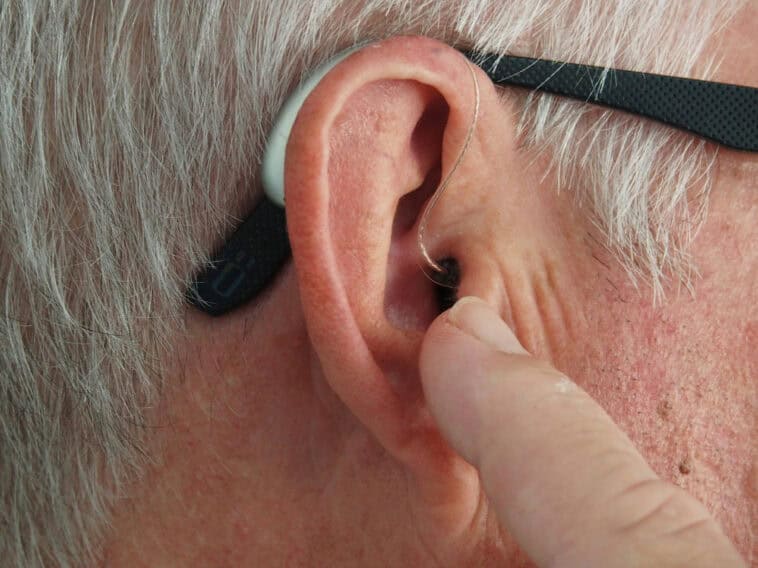
Consumer advocates and hearing experts are warning that scammers are increasingly targeting older adults with cheap devices that look like legitimate hearing aids but often don’t work as advertised or aren’t hearing aids at all.
And those irresistible Facebook and Instagram deals promising miracle hearing restoration for under $100? That’s often where the trouble starts.
Why hearing aid scams are booming
Hearing aids are expensive. Traditional prescription devices can cost thousands of dollars, and insurance coverage is often limited. Even with the arrival of over-the-counter options, affordability remains a major issue for many older adults.
Scammers know this. They are taking advantage of people looking for lower-cost alternatives by marketing ultra-cheap products online that either perform poorly, fail entirely, or are simply designed to collect customers’ money and personal information.
“If a company claims its product can cure hearing loss, offers a deal that seems too good to be true, or pressures you to buy immediately, those are significant red flags,” said Ebony White of the National Council on Aging.
The biggest source of confusion
Part of the problem is that many scam products look almost identical to actual hearing aids. Scammers often sell devices called Personal Sound Amplification Products. These products are designed for people with normal hearing who want to amplify sounds while activities like birdwatching or hunting. But they are not medical devices.
Actual hearing aids, on the other hand, are designed specifically for people with hearing loss and are regulated by the FDA. Some online sellers intentionally blur that distinction, using phrases like “sound amplifier,” “hearing assistance,” and “hearing enhancement” instead of clearly calling their products hearing aids.
If you have hearing loss, experts say you should specifically look for products labeled as OTC hearing aids, as cheap amplifiers could potentially worsen your hearing problem.
How to tell if a hearing aid is legitimate
Legitimate OTC hearing aids sold in the U.S. must meet FDA requirements. Packaging should clearly include the words “OTC” and “hearing aid.” It should also contain the manufacturer contact information, battery information, return and refund policies, guidance on when to seek medical care, and warnings about who should and shouldn’t use the device.
Experts say shoppers should avoid products that feature claims to “cure” hearing loss. Extremely low prices that seem too good to be true, high-pressure sales tactics, no customer service contact information, unsolicited sales calls or messages, and vague language should also be treated as red flags.
Consumers are also advised to be especially skeptical of products displaying phrases like “FDA Certified” or “FDA Registered.” The FDA does not issue certificates for hearing aids, and any company presenting one is a serious red flag.
A quick online search can also help. If a brand barely exists online or shows numerous unresolved complaints, it is worth walking away. The extra research may take a few minutes, but it can save you hundreds or even thousands of dollars.
Source: National Council on Aging