
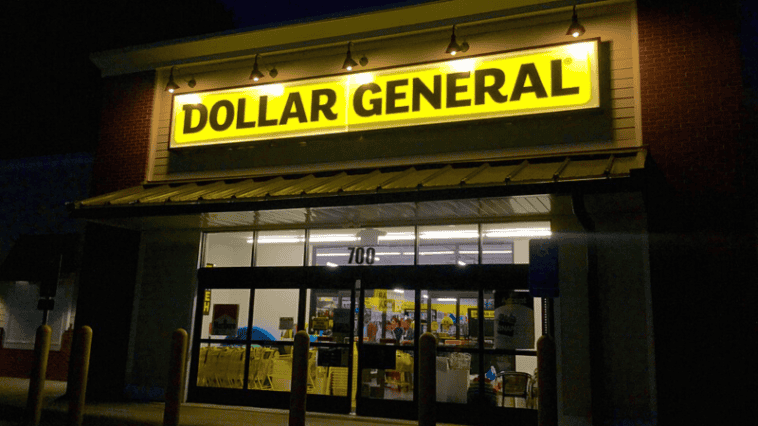
Six-figure earners are turning up at Dollar General. That’s the one notable feature of the discount chain’s solid quarter.
Some of the sales lift came from shoppers who’d normally never need a dollar store. On the company’s recent Q1 2026 earnings call, CEO Todd Vasos referred to them as the “$100,000-plus cohort that’s trading in.”
Most of the trend comes down to gas, which blew past $4.50 a gallon in May. They’ve dipped modestly since, but remain far above pre-war levels before the conflict with Iran began disrupting oil shipments. None of this surprises Vasos, however. “Pricey gas that sticks around tends to push his core shoppers back through the door,” he explained. “It’s exactly what’s happening,” he added.
Then there’s the dollar shelf, which has been a “real savior” for the shoppers who lean on the place hardest.
A stark divide in the discount sector
It’s not all good news across the discount retail sector. Family Dollar has been closing stores all year, hundreds so far, with as many as a thousand of its weakest ones on the chopping block. Meanwhile, Dollar Tree is still expanding, though at a slower pace than before.
Underlying it all is inflation, which reached a three-year high this spring. To cope, many consumers are cutting back sharply, either by killing streaming subscriptions, turning down employer health plans, or trading down on groceries. Grocery runs that used to mean the nice supermarket now mean Walmart or the likes of Dollar General.
When asked last month whether ordinary people’s finances factor into the Iran peace talks, President Trump replied that they do not. Preventing Iran from going nuclear, he said, is worth the cost.
Sources: Dollar General, The Street, NBC News, Retail TouchPoints, BLS, Independent, CBS News