
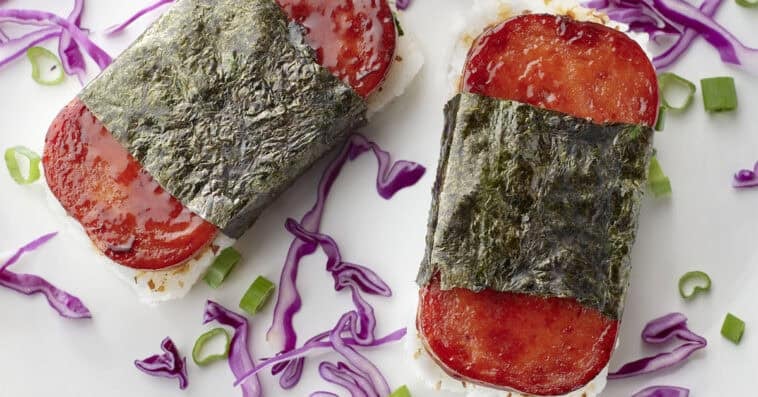
After 90 years defined by its iconic blue-and-yellow tin, Spam is finally breaking out of the can, and it’s heading straight for your local grocery counter, convenience store, and favorite entertainment venue. Owner Hormel Foods is staging a massive culinary takeover by weaving the legendary, often-debated meat into fresh, ready-to-eat items like sushi and hot dogs. But this isn’t just a quirky marketing stunt; it’s a calculated, multi-million-dollar gamble designed to entirely change how you perceive the 1930s “miracle meat.” Whether you are a lifelong devotee of the classic crisp slice or someone who has spent decades actively avoiding the canned aisle, the surprising strategy behind this fresh rollout might just convince you to take your very first bite.
Spam expands into new food experiences
The legendary brand is riding an unprecedented wave of momentum, boasting record-breaking sales in nine of the last ten years and expanding its lineup to 11 distinct varieties. Capitalizing on this hot streak, parent company Hormel is heavily investing in the brand’s future. In 2025, the company expanded its leadership team by hiring Kelsey Hannon and two fellow brand managers specifically tasked with guiding this new era of growth.
“We continue to innovate inside the can, but we’re really trying to think about how can we get outside” of it, said Hannon. “We do see a huge opportunity.”
According to Hannon, there is “potential for extreme growth” for the heritage brand as it ventures beyond its traditional metal packaging. The inspiration for this leap forward came directly from consumer habits — specifically the soaring popularity of Spam musubi, the beloved Hawaiian staple featuring grilled Spam atop a block of seasoned rice, bound together by a strip of nori seaweed. Seeing this cultural momentum, Hormel recognized a natural bridge into the broader sushi market.
The strategy kicked off in 2025 when Spam teamed up with Kroger to integrate the meat into the supermarket giant’s fresh, ready-to-eat sushi rolls. The concept quickly proved its merit, prompting other major grocery chains, including Albertsons, to introduce their own iterations of the Spam-infused Japanese dish.
But sushi was just the first stop. Hormel soon set its sights on the American classic: hot dogs. This past February, northeastern convenience store chain Rutter’s debuted a custom Spam hot dog in collaboration with the brand. The unique frankfurter has already begun migrating from convenience store rollers to high-profile venues, including stadium concession stands and additional retail locations.
This outward expansion mirrors a larger trend happening online. Hannon noted that social media users are constantly experimenting with the product at home — whether they are deep-frying chunks of it or tossing it into breakfast scrambles. Moving forward, Hormel plans to match that consumer creativity by aggressively diversifying Spam’s footprint through innovative packaging, bolder flavors, and entirely new eating occasions.
The ripple effect of Spam’s convenience strategy
By shifting focus toward convenience stores and entertainment venues, Hormel is deploying a highly strategic entry point for the brand. This approach does more than just place the product in front of new audiences—it actively showcases its culinary adaptability. According to Hannon, prepared items like sushi serve as the perfect low-risk gateway for hesitant, first-time consumers to sample Spam without the commitment of buying a whole tin.
This footprint in the fresh aisle directly feeds back into traditional grocery sales. Once a consumer experiences Spam as a premium ingredient in something like a sushi roll, the barrier to entry drops, making them significantly more likely to seek out and purchase the classic blue-and-yellow can during their next standard grocery run.
“We are thinking about things like that because … convenience is a trend, and it’s not going anywhere,” she said.
This aggressive, forward-thinking approach is being championed from the very top of the corporate ladder.
“We’ve gotten all new leadership [at Hormel,] and they truly see the potential of this brand,” Hannon said. “We say it was born in America, but it was raised around the world. And we have consumers that have such authentic connections to the brand that we need to figure out how to tap into that.”
Source: Food Dive