

Not everyone wants another glowing rectangle strapped to their body. That’s the idea behind the new Fitbit Air, now available at Walmart for $100. Google is pitching it as a lighter, simpler fitness tracker for people who want health insights without turning their wrist into one more place for notifications, widgets, and distractions.
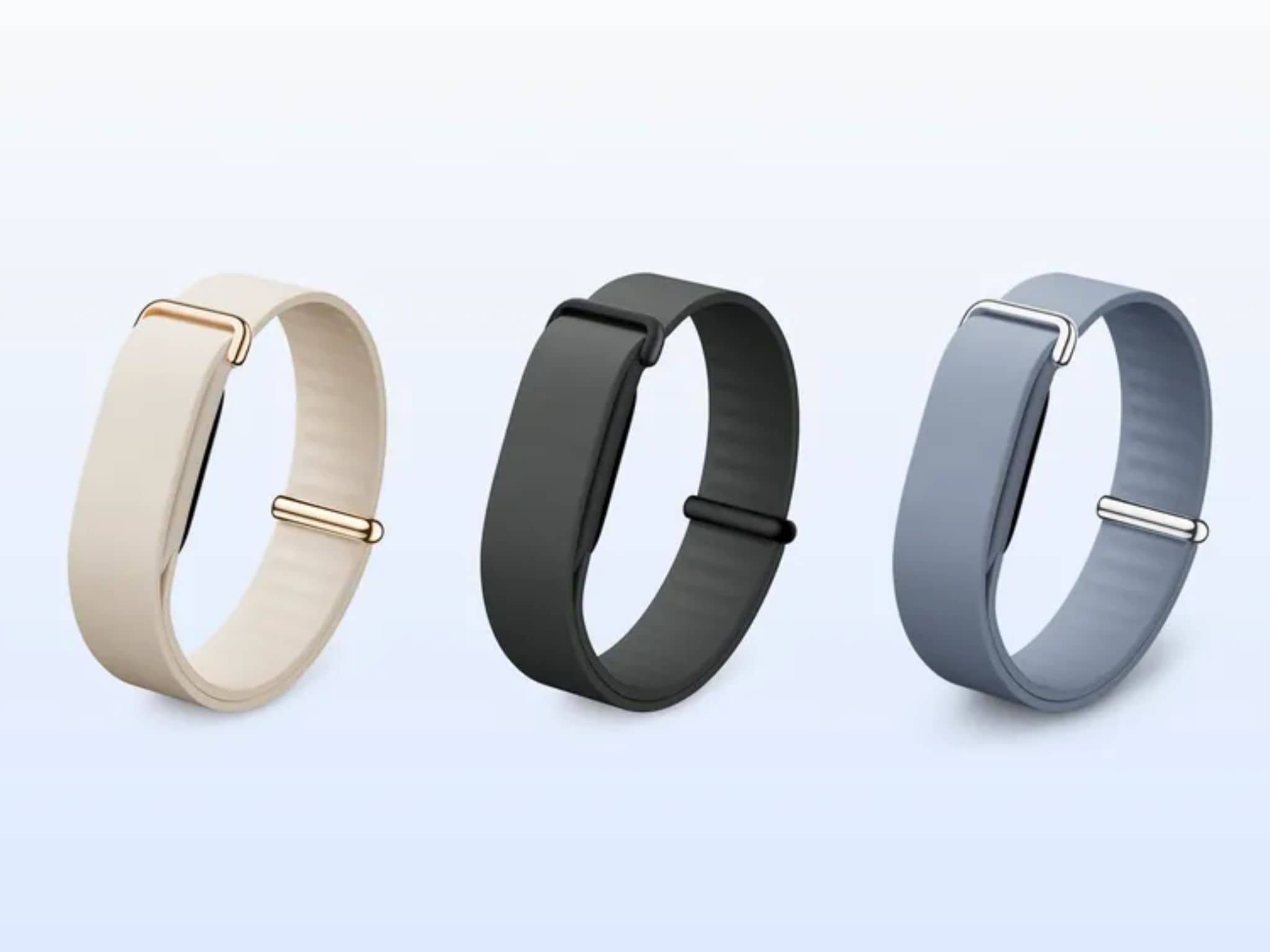
A lightweight alternative to WHOOP, the Fitbit Air is Google’s lightest wearable yet. It’s built to sit comfortably on your wrist through work, workouts, and sleep while keeping tabs on your activity, recovery, and overall health.
The Fitbit Air Tracks the Basics Without Charging a Toll
One of the biggest selling points here is that the Fitbit Air works without a subscription. This matters, especially in a category where rivals like the WHOOP essentially become a brick if you stop paying.
The Air tracks steps, distance, calories burned, cardio load, workouts, sleep, and daily activity quietly in the background. And inside the Google Health app, you can check live workout stats like heart rate, pace, and distance.
It also supports more than 40 exercise modes, covering everything from running and cycling to HIIT, strength training, and aerobics.
There’s a Subscription, but You Don’t Need It

Google does offer an optional subscription here, too. You can pay $100 a year or $10 a month for extras like Google Health Coach, more personalized fitness plans, and a premium content library.
The Health Coach is a Gemini-powered coaching feature that offers more personalized guidance. You tell it about your goals, habits, and routine, and it adapts over time with longer-term plans and daily sleep recommendations.
There’s also Google Health Premium, which offers more advanced coaching tools and includes a 3-month trial for new users. The key difference is that the tracker still does its main job without forcing you into that monthly commitment.
Battery Life Is Good, Even If It’s Not the Best
Google says the Fitbit Air lasts up to a week on a single charge. It also supports fast charging, with enough power for a full day of use in just five minutes.
That said, this is one area where WHOOP still has an edge. WHOOP can last up to 14 days, and its slide-on battery pack means you don’t have to take it off to recharge. So, while the Fitbit Air holds up well, it doesn’t win the endurance round.
Google Is Also Pushing Privacy
Google knows people will ask about privacy, so it’s making that part of the pitch, too. The company says users stay in control of their health data, with built-in protections covering everything from sleep tracking to activity info.
Additionally, the Fitbit Air works with phones running Android 11 or newer and iOS 16.4 or later through the Google Health app, so it isn’t locked to one side of the mobile world. That makes it a lot easier to recommend to people who want a tracker that works.
At $100, This Is the Simple Option
At $100, the Fitbit Air feels like a pretty direct play for everyday users who want health tracking without smartwatch clutter and without premium-tracker pricing. You’re getting automatic activity tracking, workout support, sleep insights, AI coaching options, and a screen-free design that stays out of the way.
If you train heavily, want an aggressive focus on recovery and muscular strain, and don’t mind paying a premium for its specialized data, the WHOOP is an excellent choice. However, if you want a budget-friendly tracker that tracks your daily activities, tells you how you slept, and coaches you via AI, then the Fitbit Air is the way to go.