
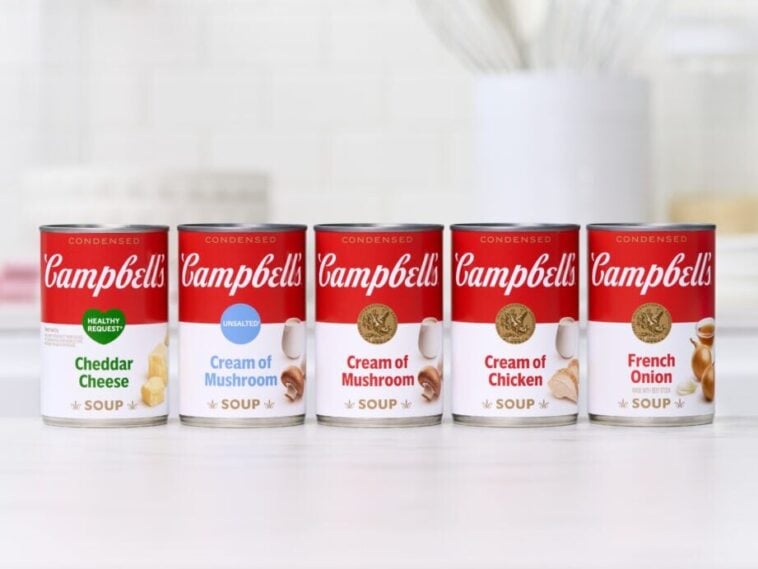
A new class-action lawsuit against the Campbell’s Company alleges that their “microwavable” bowls are doing more than just heating up soup—they’re shedding microplastics directly into your meal.
The Core Allegation
The core allegation is based on the fact that they are marketed as safe to heat in the microwave.
According to the lawsuit, the containers are made with polypropylene plastic, a common material used in food packaging. When heated, especially under normal microwave conditions, that plastic may shed tiny particles directly into the soup.
The plaintiffs claim that Campbell’s knew about the risk of microplastic exposure their microwavable soup carries. However, they failed to warn customers. Instead, they continued selling the products despite knowing the risks.
As if that wasn’t bad enough, the company allegedly marketed the products as safe for microwave use. Hence, millions of consumers, especially people looking for quick, easy meals for work, school, or travel, bought the soup thinking they were safe.
As stated in the lawsuit, “By falsely promising that the products are microwavable and omitting material information about their ability to shed microplastics under ordinary use, [Campbell’s] has caused consumers to unknowingly expose themselves and their families to dangerous microplastics through everyday food preparation.”
Campbell has not admitted any wrongdoing in the case, and it is up to the court to determine if it is liable for damages and changes to how the products are marketed. If the lawsuit moves forward, it could expand into a nationwide class action.
Source: Top Class Actions