
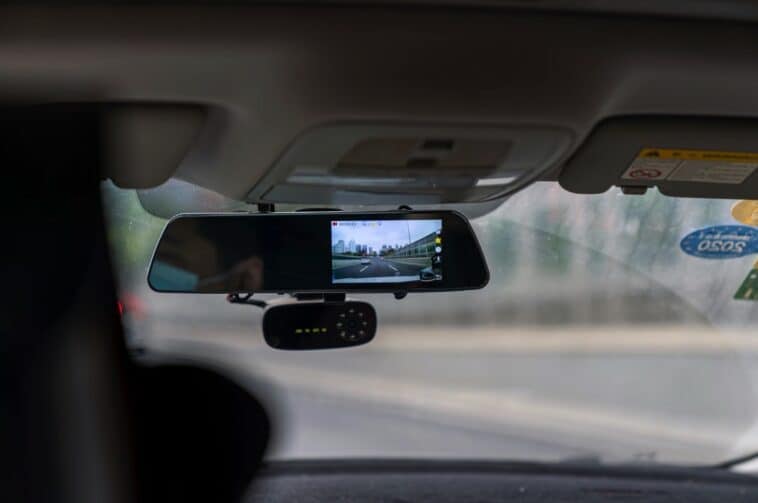
Buying a new car in a few years won’t just be about horsepower or fuel economy. By 2027, every new vehicle in the U.S. is expected to come with built-in cameras and sensors that monitor your alertness, and in some cases, can stop you from driving if the system thinks you’re impaired.
Here is what we know about what is coming.
Your car will basically watch you
This comes from a federal push tied to impaired driving prevention.
Instead of waiting for bad decisions, the car steps in before anything happens. There are infrared cameras tracking your eyes and head movement, and sensors looking for signs of fatigue or intoxication. AI is also in the mix, evaluating whether you are “fit” to drive.
No form of breathalyzer or test is involved here. It’s just the car deciding.
And if the system flags something off, like drowsiness or signs of alcohol impairment, it can prevent the car from starting and limit speed or functionality.
Think less “warning beep” and more “you’re not going anywhere.”
The privacy angle and why people are uneasy
The government says this could save thousands of lives every year by reducing drunk and fatigued driving. And to be fair, impaired driving is a real problem.
So the goal makes sense. It’s just the method that’s raising eyebrows.
As far as some people are concerned, the fact that the system used biometric tracking is concerning. We’re talking eye movement, pupil behavior, and attention patterns.
And while the rule doesn’t require data sharing, there’s concern about what happens next. Could car companies store this data? Could Insurance companies use it? Will software updates expand what’s tracked later?
It does not help that the tech is also not free. Estimates suggest it could add $100–$500 per car, which, if we are being real, just gets passed on to buyers.
Automakers are already pushing back, with concerns including the tech not being fully reliable and false positives. Imagine your car refusing to start because you are just a bit tired. Who wants to argue with their car at 7 a.m. or at any point at all?
Source: Gadget Review