
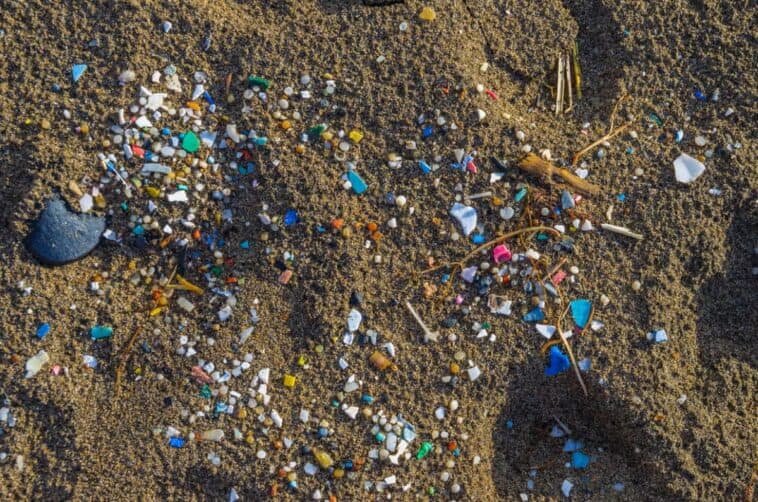
The U.S. Environmental Protection Agency (EPA) and the Department of Health and Human Services (HHS) recently announced in Washington new federal steps on microplastics and pharmaceuticals in drinking water.
The move puts both contaminants on the EPA’s draft Sixth Contaminant Candidate List (CCL 6), the first formal step in the Safe Drinking Water Act (SDWA) process and one that helps drive research, information collection, and future regulatory decisions.
It’s not a regulation yet, but inclusion on the list is the required first step before the EPA can consider setting enforceable limits.
A Multi-State Push for Accountability
Seven governors, including those of New Jersey and Michigan, filed a legal petition late last year, following a separate petition by 175 environmental and health groups in late 2024, pushing for microplastics monitoring in drinking water. The EPA revisits these lists every five years, so the timing mattered.
Microplastics have shown up in human blood, drinking water, Arctic ice, and ocean depths. Some studies have tied them to cancer and reproductive harm, though plastic industry groups say the science isn’t there yet.
The American Chemistry Council (ACC), the main trade group for plastic manufacturers, responded to the announcement, stating its support for science-driven monitoring of microplastics in drinking water and further research to better understand potential health impacts.
The Federal Response
EPA Administrator Lee Zeldin and Health Secretary RFK Jr. both positioned the decision as a key step forward for the Make America Healthy Again (MAHA) initiative championed by Kennedy.
‘We cannot treat what we cannot measure. We cannot regulate what we don’t understand,’ Kennedy said at the press conference. Zeldin, who had come under fire from MAHA supporters for not acting more aggressively on microplastics and pesticides, joined him in calling the CCL 6 listing a significant advance.
Pharmaceuticals get into water mainly through human waste and improper disposal. The EPA is releasing health benchmarks for 374 of them as part of the same announcement.
Kennedy had pledged to fight plastic pollution when he was running as a Democrat in 2024, but his position on capping plastic production has gotten more complicated since joining the Trump administration. The emphasis now, reflected in this announcement, is on science-driven monitoring and research.