
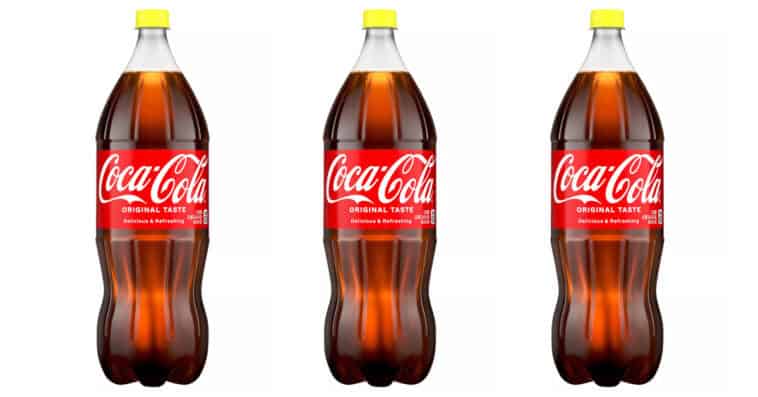
At first glance, it looks like a simple packaging change, but those bright yellow caps popping up on Coca-Cola bottles each spring are setting off a quiet frenzy among soda lovers. Shoppers are stocking up, social media is buzzing, and some fans are even comparing the taste to the coveted “Mexican Coke.” But behind this limited-edition release lies a deeper story — one rooted in a decades-old religious tradition that quietly transformed the iconic drink’s recipe. So, what exactly makes these bottles so special, and why do those in the know rush to grab them before they disappear?
The surprising story behind Coca-Cola’s yellow-capped bottles
Every spring, a peculiar treasure hunt begins in grocery store aisles across the country. Sharp-eyed soda enthusiasts bypass the standard sea of red caps in search of a specific, vibrant yellow lid. While social media often frames these bottles as a budget-friendly alternative to Mexican Coke, the true origin of the yellow cap isn’t a marketing gimmick; it’s a story of religious devotion and a high-stakes recipe swap that dates back to 1935.
The rabbi and the secret formula
The transformation began in Atlanta with Rabbi Tobias Geffen. As the leader of the city’s Orthodox Jewish community, Geffen faced a dilemma: his congregants wanted to enjoy America’s favorite soda, but they needed to know if it adhered to strict kosher dietary laws.
In an unprecedented move, the Coca-Cola Company granted Geffen access to its top-secret ingredient list, provided he kept the exact proportions under wraps. His investigation revealed two major hurdles:
- Glycerin: At the time, this was derived from non-kosher beef tallow.
- Sweeteners: The beverage relied on grain-based ingredients that are forbidden during the holiday of Passover.
Engineering a Kosher classic
Coca-Cola’s scientists went to work to ensure the beverage could be enjoyed by everyone. They successfully swapped animal-based glycerin for a version derived from cottonseed and coconut oil, which didn’t compromise the iconic flavor.
However, Passover presented a steeper challenge. During this holiday, many Jewish traditions forbid the consumption of kitniyot — a category that includes corn. When Coca-Cola transitioned its standard American formula to high-fructose corn syrup in the 1980s, the “Passover Coke” became a rare exception. To this day, for a few weeks every year, the company reverts to a cane and beet sugar formula to meet holiday requirements.
Why are people hunting the yellow cap?
What began as a localized religious accommodation has transformed into a high-stakes scavenger hunt for soda enthusiasts. Here is why the demand for these specific bottles has reached a fever pitch:
The ‘original taste’ cult following
For many, the yellow cap is a universal signal for “original taste.” Because these seasonal batches eschew corn syrup in favor of real cane sugar, they provide a crisp, nostalgic flavor profile that soda purists claim is superior to the everyday version.
The presidential seal of approval
The buzz surrounding cane sugar reached new heights in late 2025. In October of that year, Coca-Cola began rolling out cane sugar soda in glass bottles across select U.S. markets. This move garnered the support of President Donald Trump, who publicly stated that the cane sugar version was “better” than the high-fructose corn syrup alternative. While this expansion signaled a shift in strategy, the company has not yet confirmed if it will shift away from corn syrup entirely.
The Mexican Coke hack
Social media has played a massive role in the yellow cap’s fame, with influencers frequently comparing it to Mexican Coke. While the Mexican variety is beloved for its cane sugar content, it is typically sold in glass bottles and generally costs more than the soda produced in the U.S. The Passover edition offers a clever loophole: it provides that same premium sweetener without the higher price tag.
The scarcity factor
Online foodies have fueled the fire by encouraging followers to stock up on the seasonal edition to save money, leading to shelves being cleared in days. This surge in demand often leads to the question of why this version isn’t sold year-round. According to Coca-Cola Chief Financial Officer John Murphy, the limitation may be logistical rather than tactical. In a previous interview with Bloomberg, Murphy revealed that the reason is that there “is only a certain amount of cane sugar available in the United States.”
Source: Fox News