
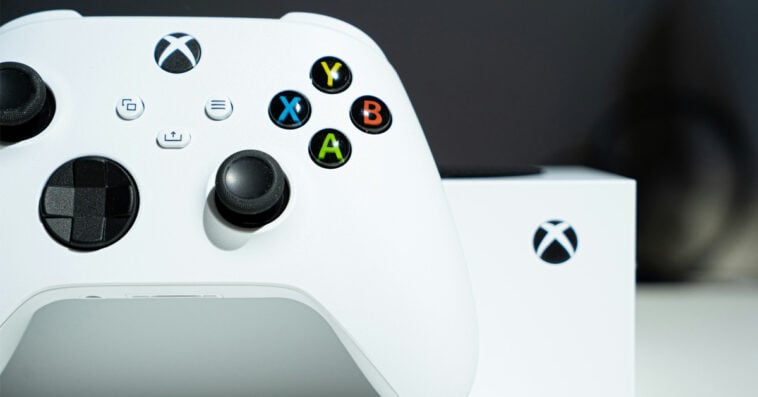
Rumors are swirling that the Xbox era as we know it may be nearing its end, and all eyes are on Microsoft’s controversial strategy—especially its latest Xbox Game Pass price hike that has critics questioning the future of the console business. According to a prominent analyst, the steep cost of the Game Pass Ultimate tier could undermine the value proposition of the next Xbox hardware so severely that it spells the end for the console as a must‑buy device, pushing gamers instead toward subscription‑first and multi‑platform gaming habits that don’t require buying a box at all.
The high cost of Game Pass: Is the next Xbox doomed?
Wedbush Securities analyst Michael Pachter is raising serious doubts about the future of the next Xbox console. With the Game Pass Ultimate tier now including day-one releases but carrying a steep $30 monthly fee, Pachter warns that the subscription model could strain gamers’ budgets and fail to drive hardware sales unless Microsoft makes major adjustments.
Once a firm optimist who predicted that Xbox Game Pass would surpass growth expectations, Pachter now sees a clouded path ahead following the price hike. As a significant component of the new console’s success, Game Pass is under scrutiny, and the analyst believes that, in its current form, it may not be enough to entice new buyers.
“The problem with Game Pass was it was all or nothing,” Pachter explains. He suggests offering a more flexible, “a la carte” subscription model to appeal to players who prefer buying games individually. With the Ultimate tier now costing $360 annually, compared to the $140 many gamers typically spend on select titles, the service may be pricing out the very audience it seeks to attract.
In other words, if Game Pass — one of the main reasons people buy the console — becomes too expensive for the average player, the next Xbox console will have a hard time finding its audience. Microsoft’s real challenge isn’t just building a powerful machine; it’s proving that the cost of staying in its ecosystem is still a smart investment for the gamers’ wallet.
Can a ‘hybrid’ Xbox save the brand?
Beyond the immediate pricing concerns, several other hurdles threaten to derail the next Xbox before it even hits shelves. While rumors suggest the upcoming hardware could be a “Magnus” hybrid, a powerful blend of PC and console capabilities that might even support Steam, Pachter remains skeptical. He argues that without a strong lineup of exclusive games to pull people in, even a versatile machine won’t convince players to make the switch. In his view, by tying the console’s identity so closely to Game Pass, Microsoft may have already undermined the hardware’s standalone value.
Despite these grim predictions, it’s unlikely that Microsoft will abandon the project at this stage. In early February, AMD CEO Lisa Su indicated that the console remains on schedule for a 2027 release, and Asha Sharma, Microsoft Gaming’s new head, has reiterated that hardware development continues to be a priority.
Price remains a critical factor for the upcoming Xbox, which former Xbox president Sarah Bond previously described as a “high-end” system. Rising costs for storage and memory could push the console further out of reach, and with the recent Game Pass price hike, loyal fans may find themselves facing a substantial financial commitment just to stay in the ecosystem.
If the next Xbox arrives as a premium, high-priced machine paired with a mandatory, high-priced subscription, Microsoft isn’t just selling a console—they’re testing the absolute limit of what gamers are willing to pay to stay in their ecosystem.
Source: Notebook Check