
The familiar crunch of shopping bags and the aroma of old favorites might soon be fading from many American malls and main streets. As retailers and restaurateurs navigate a post-pandemic landscape defined by cautious spending and shifting consumer habits, a quiet but steady wave of contraction is already taking shape for the year ahead.
More than 800 retail stores and restaurant locations across the US are scheduled to close by the end of 2026. So far, about 870 planned closures have been identified, based on company announcements. That number will likely shift as the year unfolds, but the direction isn’t new.
In 2025, roughly 4,100 stores shut down by late December. Earlier in that year, Coresight Research projected that as many as 15,000 retail locations could close. Not every forecast played out exactly as predicted, but the broader pullback was real. 2026 is picking up where 2025 left off, and several large brands are behind the latest round.
The Big Names Behind the Cutbacks
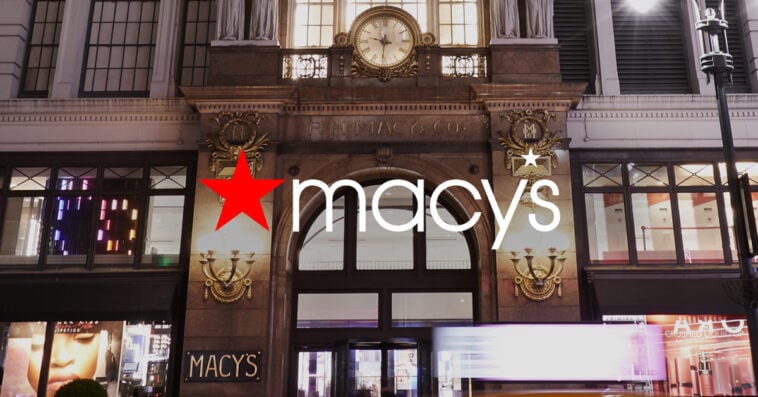
Macy’s is moving through a multiyear plan to close about 150 department stores while putting more resources into its better-performing locations and online business.
Pizza Hut has also announced closures as part of an ongoing effort to streamline its footprint. The chain plans to close approximately 250 underperforming US locations in the first half of 2026, with some of the affected restaurants being older dine-in units that no longer fit the chain’s current focus on delivery and carryout.
Wendy’s is trimming underperforming locations as well, targeting 5–6% of its roughly 6,000 US restaurants (about 300–360 closures, continuing into the first half of 2026), while continuing to invest in stronger markets.
Other notable players include Carter’s. The children’s apparel retailer is planning to close 100 stores as part of a broader reduction in its North American footprint, tied to expiring leases and cost management.
Kroger intends to shutter 60 unprofitable grocery locations, and Saks Off 5th is set to close 57 stores amid restructuring following its parent company’s challenges.
Yankee Candle is closing 20 locations across the US and Canada as Newell Brands reallocates resources, and REI is shuttering 3 underperforming outdoor retail spots to adapt to evolving market needs.
The Common Thread
In most cases, companies are framing the moves around efficiency. After several years of price increases and cost pressure, customer traffic has dipped in parts of the market. Executives across the industry began pointing to pullbacks among lower-income consumers in 2024. By 2025, some middle-income shoppers were also spending more cautiously.
Rather than adding more stores, many brands are reassessing the ones they already have.
Some closures are about shifting more sales online. Others reflect geographic imbalances, such as having too many stores in the same trade area or units that never regained momentum after the pandemic years.
At the end of the day, for restaurant chains, it often comes down to location performance and lease terms.
The 870 figure tied to 2026 so far doesn’t capture every small chain or regional operator and reflects the larger brands that have publicly laid out plans stretching into next year. Nor is there a single bankruptcy behind this wave. It’s more of a steady recalibration.
For shoppers, the impact will vary by market. Some communities may lose long-standing department stores or familiar fast-food spots, while others may see little change.
For companies, the message is clearer: growth now means being selective.
The next set of earnings reports will likely add more detail (and possibly more closures) to the list.
Sources: Consumer Affairs, Business Insider