
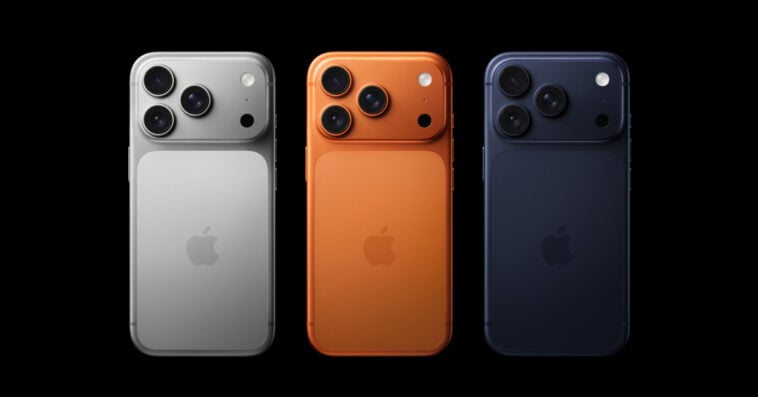
For decades, NASA’s standard-issue gear for documenting life in orbit has looked more like a museum exhibit than a modern studio, with astronauts often tethered to bulky 2016 DSLRs and decade-old GoPro cameras that lack the connectivity and sleekness of the devices in your pocket. But that’s about to change as NASA finally loosens its notoriously rigid tech rules, clearing the way for modern consumer devices like the iPhone to travel beyond Earth. Keep reading to find out what pushed the space agency to rethink its approach and how these everyday devices will be used off-planet.
Modern smartphones set to change how astronauts document space
In a major policy shift announced Wednesday night, NASA Administrator Jared Isaacman confirmed that the era of vintage space tech is coming to an end. Starting with the Crew-12 and Artemis II missions, astronauts will finally be permitted to carry iPhones and other current-generation smartphones into orbit and toward the Moon.
Explaining the move on X, Isaacman noted the importance of personal connection and high-fidelity storytelling: “NASA astronauts will soon fly with the latest smartphones, beginning with Crew-12 and Artemis II. We are giving our crews the tools to capture special moments for their families and share inspiring images and video with the world.”
While astronauts have produced breathtaking photographs from the International Space Station (ISS) for years, having a smartphone in their pocket is a game-changer for capturing quick videos on the fly. These devices allow them to start recording in seconds, which is perfect for when they’re running a complex experiment or happen to catch a rare, split-second view out the window that would be gone by the time they grabbed a bulky professional camera.
Why allowing iPhones in space is really about reforming NASA’s processes
For Isaacman, the green light for iPhones isn’t just about the hardware; it’s a direct strike against “requirement bloat” — the mountain of bureaucratic red tape that often keeps space tech stuck in the past. By pushing for this change, Isaacman is forcing a rethink of the rigid, decades-old protocols that dictate what can and cannot fly.
“Just as important, we challenged long-standing processes and qualified modern hardware for spaceflight on an expedited timeline,” he wrote. “That operational urgency will serve NASA well as we pursue the highest-value science and research in orbit and on the lunar surface. This is a small step in the right direction.”
The hurdles for space-proofing gear are undeniably intense. A single device can spend years trapped in testing purgatory, undergoing grueling checks for battery fires, radiation-resistant chips, chemical outgassing, and high-pressure vacuum trials. While these safety nets exist for a reason, Isaacman is now encouraging his team to ask a tough question: Are these rules still relevant, or are they just habit?
The cost of this arcane approval system is visible in the gear itself. Until this shift, the cutting-edge camera assigned to the historic Artemis II lunar mission was a Nikon DSLR from 2016, backed up by GoPro models that were ten years old. Now, astronauts will have the same high-powered, portable tech we use every day. If all goes well, we’re about to see the Moon in a way that 2016 technology simply couldn’t capture.
The history of smartphones in space
While modern smartphones are finally getting the official “NASA Approved” stamp, they aren’t exactly strangers to zero gravity. In fact, a few iPhones have already vacationed in orbit. Back in 2011, two iPhone 4s units hitched a ride on the final Space Shuttle mission (Atlantis), though it’s unclear whether the crew ever actually used them.
For the better part of the last decade, NASA crews have largely relied on specialized tablets. These were the primary tools for checking mission schedules, browsing the web, and hopping on video calls with family back home.
While NASA was tied up in red tape, private space travelers were already living in the future. Passengers on Isaacman’s Polaris mission and the Axiom flights to the ISS simply brought their personal smartphones along, proving that the tech could survive the trip without the need for a decade of testing.
Source: Ars Technica